Archive for the ‘Outdoor Inspiration’ Category

Thatch vs. Other Commercial Roofing Materials: The Complete Comparison Guide

When you’re specifying a roof for a hotel terrace, beach club or restaurant, the decision usually comes down to a handful of materials: natural thatch, ceramic tile, metal or steel, and synthetic shade structures like sailcloth or canvas. Each looks different on a moodboard. They perform very differently once they’re actually in use — carrying daily footfall, coastal salt air, and a Mediterranean summer.

Here’s how they actually compare, category by category.

Thermal Performance: Which Roof Actually Keeps Guests Cool?

This is usually the first thing that matters to an operator, and the differences are significant.

  • Cape Reed thatch: Densely packed reed creates millions of trapped air pockets, giving genuinely superior insulation. Guests underneath a well-built thatch canopy can feel noticeably cooler than the ambient temperature outside — without a single fan or mister running.
  • Metal or steel roofing: Absorbs and radiates heat, often making the space beneath it hotter in peak summer than standing in open shade.
  • Ceramic tile: Better than metal, but still nowhere near thatch’s natural insulating capacity, and tile roofs typically need mechanical cooling support for enclosed spaces.
  • Synthetic shade (sailcloth/canvas): Blocks direct sun but does little to manage ambient heat — air still moves freely underneath, and on still days, spaces can feel stagnant and hot.

For any commercial space where guest comfort drives dwell time and repeat visits — a pool bar, a beach club, an outdoor restaurant — this single factor often settles the decision on its own.
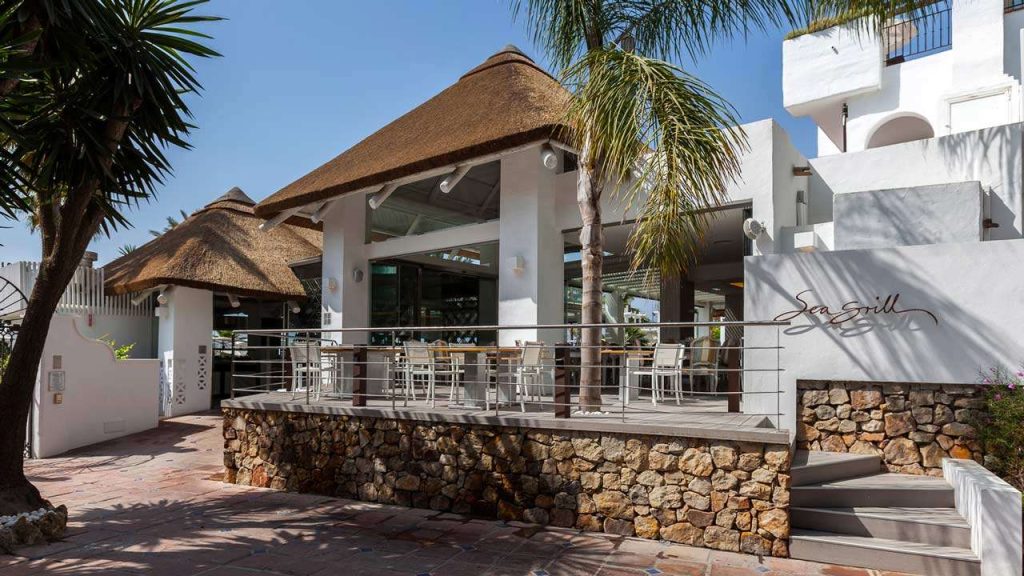
Sea Grill restaurant thatched roof at Puente Romano
Sea Grill Restaurant Puente Romano Thatched Roof Entrance

Fire Safety: Addressing the Biggest Misconception

The most common objection we hear from architects and developers considering thatch is a fire safety concern — understandable, given the material’s reputation from untreated, older installations. It’s also the easiest myth to correct.

Every Cape Reed commercial roof is installed with Fireshield, our proprietary fire-retardant system. It combines a treated underlay with a surface coating engineered specifically for natural thatch, dramatically reducing flammability and flame spread. Fireshield is built to meet the fire safety standards required for commercial public spaces across Europe — the same standard hotels, restaurants and licensed venues are held to regardless of roofing material.

In practice, this means you get the authentic look and performance of natural thatch, backed by documentation your project’s fire compliance sign-off actually requires. Metal and tile carry their own fire ratings, of course, but they aren’t inherently “safer” than a properly treated thatch roof — they’re just a different set of compliance requirements to satisfy.

Cape Reed Fireshield Application
Cape Reed Fireshield Application at Gran Melia

Lifespan & Maintenance: The Real Cost Over Time

This is where the comparison gets interesting, because upfront material cost tells you very little about total cost of ownership.

FeatureCape Reed ThatchCeramic TileMetal/SteelSynthetic Shade
Typical Lifespan20–30+ years25–50 years (but with cracking/repair over time)15–30 years (coastal corrosion shortens this)3–10 years
Coastal/Salt Air ResistanceExcellent — engineered for itGood, but grout and fixings degradePoor without specialist coatings, prone to rustFabric degrades quickly in UV and salt exposure
Routine MaintenancePeriodic inspection, minimal upkeepOccasional re-grouting, tile replacementRepainting/recoating to manage corrosionRegular fabric replacement, seasonal takedown
Structural Guarantee15-year structural warrantyVaries by manufacturerVaries by manufacturerRarely offered beyond 1–2 years

Cheaper, unrefined thatch — soft grasses or straw without proper treatment — genuinely does have the maintenance reputation people worry about, typically lasting only 8–12 years. That’s not the material we use. Properly sourced and treated Cape Reed thatch, laid at the correct pitch by trained thatchers, is a fundamentally different proposition — closer in lifespan to premium tile, with lower ongoing maintenance demands than metal in a coastal environment.

Luxury villa with Cape Reed thatched roof, timber decking, and infinity pool surrounded by natural sand landscaping in Comporta, Portugal
A panoramic view of this villa in Comporta — where Cape Reed thatch, eucalyptus timber decking, and white sand landscaping come together in seamless harmony.

Design Flexibility

Thatch is the only one of these materials that genuinely bends to your architecture rather than the other way around. Curved rooflines, irregular footprints, dramatic overhangs — these are straightforward for hand-laid thatch over an engineered timber substructure, and considerably harder (or impossible) to achieve cleanly in tile or metal without visible seams and joints. Synthetic shade can approximate curves but rarely holds a crisp, architectural line the way a properly finished thatch roof does.

Sustainability

Cape reed is a renewable, biodegradable material, requiring minimal processing before installation and returning to the earth naturally at the end of its life. Metal and tile are more energy-intensive to manufacture and transport, and synthetic shade fabrics are typically petroleum-based and non-biodegradable, with a far shorter replacement cycle adding to their lifetime environmental cost.
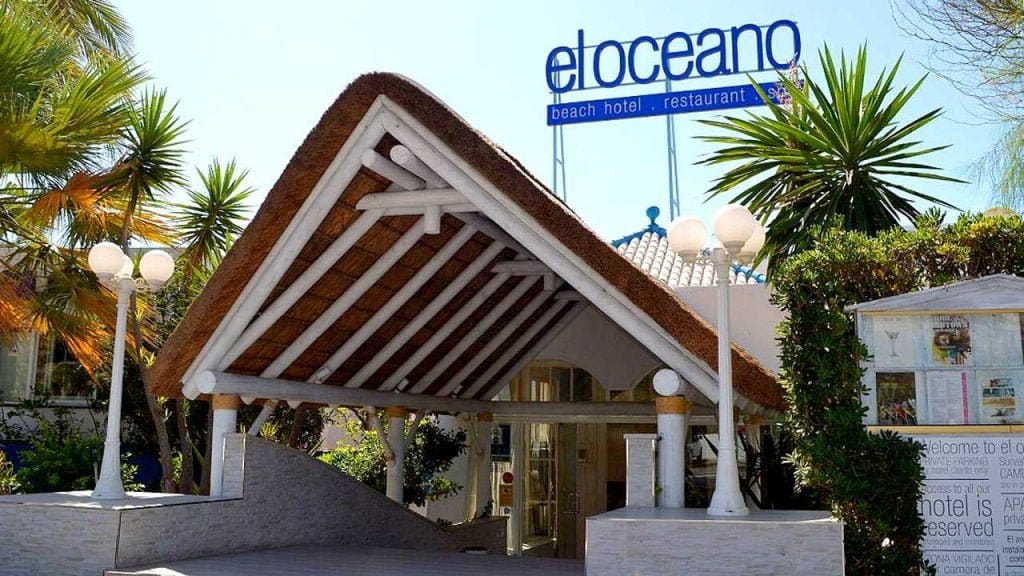
Cape Reed thatched roof at El Oceano
Cape Reed thatched roof entrance at El Oceano

Which Should You Choose?

If your priority is guest comfort, sustainability credentials, and a distinctive architectural finish — and you’re working with a supplier who can produce proper fire compliance documentation and a structural warranty — commercial thatch is very hard to beat on total value over the life of the building. Metal and tile remain sensible choices for certain structural or budget contexts; synthetic shade suits temporary or seasonal installations where longevity isn’t the priority.

For permanent commercial structures expected to perform for decades — hotel terraces, beach club canopies, flagship restaurant roofs — Cape Reed thatch, properly specified and treated with Fireshield, consistently comes out ahead on the metrics that matter most: comfort, compliance, and lifetime cost.

Planning a commercial roofing project?

Our team can talk you through material options, fire compliance documentation, and design possibilities for your specific site. Get in touch with our commercial thatching team →

FAQ’s

Is thatch actually safe to use for a commercial building?

Yes, when it’s treated properly. Untreated or poorly maintained thatch does carry a higher fire risk, which is where the material’s reputation comes from. Every Cape Reed commercial roof is installed with Fireshield, our proprietary fire-retardant system, and comes with fire compliance documentation suitable for your project’s permitting process — the same standard of accountability you’d expect from any commercial roofing material.

How does the cost of thatch compare to tile or metal roofing long-term?

Upfront material cost varies by project, but total cost of ownership tells a different story. Properly sourced and treated Cape Reed thatch typically lasts 20–30+ years with minimal maintenance, while metal roofing in coastal environments often needs recoating or replacement well before then due to salt-air corrosion. Factoring in maintenance and replacement cycles, thatch is frequently the more cost-effective choice over the life of the building, not just at installation.

Can thatch handle a coastal environment with salt air and high humidity?

Yes — this is one of its strongest advantages. Cape reed’s natural composition makes it highly resistant to moisture, fungal decay and salt exposure, which is exactly why it performs so well on beachfront restaurants, pool bars and coastal hotel terraces. Metal, by contrast, is particularly vulnerable to corrosion in the same conditions without specialist coatings.

How much maintenance does a commercial thatched roof actually need?

Far less than most people expect. A properly installed Cape Reed roof requires periodic inspection rather than active upkeep — there’s no repainting, recoating or regular fabric replacement involved, unlike metal or synthetic shade structures. Most maintenance needs are identified during routine inspection long before they become a problem, which is part of why we back every commercial installation with a 15-year structural warranty.

What Is Cape Reed Thatch — And Why Is It Different From Brezo?

If you have ever visited a beachfront resort, a luxury villa, or a boutique hotel in southern Spain and admired the natural warmth of its rooftops, there is a good chance you were looking at thatched roofing. But not all thatched roofs are equal — and in Spain, the distinction matters.

For generations, Spanish builders and landscapers have used brezo, a locally harvested heather plant, to create rustic thatched roofs and pergola coverings. It is a traditional material with deep roots in Iberian architecture. However, as property owners, architects, and community administrators have discovered, brezo has real limitations — particularly when it comes to longevity, fire safety, and long-term performance in coastal climates.

At Cape Reed International, we work exclusively with Thamnochortus insignis, a premium reed harvested sustainably in South Africa. It is the material behind some of the most celebrated outdoor structures on the Costa del Sol, in Portugal, Belgium, and across the Arabian Gulf — and it performs at a fundamentally different level.

Here is what you need to know.

What Is Brezo?

Brezo is the Spanish term for common heather (Calluna vulgaris or Erica species), a flowering shrub that grows abundantly across the Iberian Peninsula. Traditionally, dried heather bundles were layered onto timber frames to create low-cost, naturalistic roof coverings for gazebos, bar terraces, garden structures, and poolside cabanas.

Its appeal is immediate and obvious. Brezo looks organic and rustic, blends beautifully into Mediterranean garden settings, and is inexpensive to source and install. For many years it was the default choice for outdoor roofing across the Costa del Sol and beyond.

However, brezo has a fundamental problem: it deteriorates quickly. In coastal environments — with salt air, intense UV exposure, and damp winters — brezo roofs typically begin to degrade within three to five years. The heather dries out, becomes brittle, loses its colour, and eventually breaks apart. Waterproofing performance drops sharply. And without specialist fire-retardant treatment, dried brezo presents a significant fire risk.

What Is Cape Reed Thatch?

Cape Reed thatch refers specifically to roofing made from Thamnochortus insignis, a restio reed native to the Western Cape region of South Africa. It is a grass-like plant that grows in the fynbos biome — one of the world’s most biodiverse plant ecosystems — and has been used in Southern African thatching for centuries.

What makes Thamnochortus insignis exceptional as a roofing material is its physical structure. Each reed stem is dense, hollow, and coated with a natural silica layer that gives it outstanding resistance to moisture, UV radiation, and biological decay. Unlike brezo, which is essentially a dried flowering shrub, Cape Reed is a true thatching grass engineered by nature for resilience.

When harvested at the correct maturity and installed by experienced thatchers, a Cape Reed roof will typically last between 15 and 25 years — three to five times longer than brezo under equivalent conditions.

Natural stone mountain lodge with premium Cape Reed thatched roof blending into the rugged Sierra Morena landscape, Almuradiel, Ciudad Real

Five Key Differences Between Cape Reed and Brezo

1. Longevity

This is the most significant practical difference. A professionally installed Cape Reed thatched roof on a coastal property in southern Spain can be expected to perform well for 15 to 25 years before requiring refurbishment. Brezo, in the same environment, commonly needs replacing within 3 to 7 years.

For property owners, resort managers, and community administrators, this difference is transformative. The higher upfront investment in Cape Reed thatch is almost always recovered within the first replacement cycle — and usually well before.

2. Fire Safety

Dried heather is highly combustible. Without active fire-retardant treatment, a brezo roof presents a serious fire risk, particularly in Spain’s hot, dry summer months. Fire codes across Spain are increasingly strict about natural roofing materials on commercial and residential properties, and many insurance providers treat untreated brezo as a liability.

Cape Reed International addresses this through our proprietary Fireshield system — a multi-layer approach to fire protection that includes Cape Reed FireBloc fire-retardant underlay cloth and a topically applied Fireshield fire-retardant coating on the finished thatch surface. Together, these measures significantly reduce ignition risk and bring thatched structures into compliance with modern fire safety standards.

Cape Reed Fireshield Application

3. Waterproofing Performance

A properly laid Cape Reed roof, installed at the correct pitch with appropriate underlay and capping details, is a genuinely weatherproof roofing system. The density and silica coating of the reed stems create a natural layered barrier that sheds water efficiently, even in heavy rainfall.

Brezo, by contrast, is rarely installed to provide true waterproofing. It is more commonly used as a decorative covering over an existing structure rather than as a primary weatherproof membrane. As the material dries and contracts over time, gaps appear and water ingress becomes increasingly common.

4. Appearance and Finish

Both materials share a natural, organic visual character — but they look quite different in practice. Brezo has a looser, more rustic texture with visible heather stems and, in time, a faded grey-brown appearance. It is charming in an informal setting but can look tired and unkempt as it ages.

Cape Reed thatch, when freshly installed, has a dense, refined, honey-gold finish. The uniform bundle structure creates clean, precise lines that work equally well on a rustic beach bar and a high-end residential villa. Over time, the exposed surface weathers to a distinguished silver-grey, while the inner layers retain their structural integrity. Many of our clients consider this weathered finish to be part of the material’s character.

5. Sustainability Credentials

Thamnochortus insignis is harvested from responsibly managed fynbos farms in South Africa under strict environmental protocols. The plant is a natural fynbos species and its cultivation supports rather than disrupts the biome. Cape Reed thatch is biodegradable, contains no synthetic chemicals or plastic components, and at the end of its life can be composted or disposed of without environmental impact.

At Cape Reed International, sustainability is not a marketing claim — it is built into our material sourcing, our installation methods, and the longevity of every structure we build. A roof that lasts 20 years is, by definition, more sustainable than one replaced every five.

Luxury villa with Cape Reed thatched roof, timber decking, and infinity pool surrounded by natural sand landscaping in Comporta, Portugal
A panoramic view of Villa Stark, Comporta — where Cape Reed thatch, eucalyptus timber decking, and white sand landscaping come together in seamless harmony.

When Does Brezo Still Make Sense?

Brezo is not without a place. For very low-budget temporary structures, informal garden features, or decorative applications where appearance is the sole priority and longevity is not required, brezo remains a practical and cost-effective option. It also has genuine heritage value in certain traditional Andalusian and rural contexts.

However, for any application where durability, fire safety, waterproofing, or long-term performance matters — commercial hospitality venues, luxury residential properties, community facilities, or structures exposed to coastal climates — Cape Reed thatch is the professional choice.

The Alcazaba Beach Example

The value of upgrading from brezo to Cape Reed thatch is perhaps best illustrated by a project we completed at Alcazaba Beach in Estepona in early 2026. This prestigious beachfront residential community had original brezo roofs that, after years of coastal exposure, had deteriorated to the point where refurbishment was unavoidable.

Cape Reed International dismantled the existing brezo coverings, repaired and reinforced the timber roof structures, and installed 300m² of premium Cape Reed thatch — including FireBloc underlay and Fireshield fire-retardant coating throughout. The result was a set of roofs that preserved the warm, natural aesthetic the community had always valued, while delivering modern performance, fire safety compliance, and a lifespan that makes the investment genuinely worthwhile.

Refurbished thatched roof gazebo at Alcazaba Beach Estepona with Cape Reed thatch and tropical gardens
The refurbished gym structure at Alcazaba Beach, Estepona — 300m² of premium Cape Reed thatch blending seamlessly with the development’s award-winning Mediterranean gardens.

Conclusion

The choice between brezo and Cape Reed thatch ultimately comes down to what you are building for. If you want a natural-looking outdoor roof that will perform beautifully, last for decades, and meet modern fire safety standards, Thamnochortus insignis is in a different category from traditional Spanish heather — in durability, safety, and long-term value.

Cape Reed International has been installing premium thatch across Spain, Portugal, and Europe for over 20 years. If you are planning a new outdoor structure or considering a refurbishment of an existing thatched roof, we would be glad to advise.

Frequently Asked Questions

Can I replace my existing brezo roof with Cape Reed thatch?

Yes — this is one of the most common projects we undertake. We dismantle the existing brezo, assess and repair the underlying timber structure, and install a full Cape Reed thatched roofing system including fire protection. The result typically looks better, performs far better, and will last much longer.

Is Cape Reed thatch suitable for the Spanish climate?

Absolutely. Cape Reed thatch performs exceptionally well in Mediterranean climates. The material’s natural silica coating provides excellent UV resistance, and correctly installed roofs handle both the coastal humidity and winter rainfall of the Costa del Sol without issue. Cape Reed International has been working in southern Spain for over two decades.

Does Cape Reed thatch require planning permission in Spain?

This depends on the nature of the structure and your local municipality. Refurbishing an existing roof covering like-for-like generally does not require planning permission, but new structures may. We recommend consulting your local ayuntamiento or a qualified architect, and we are happy to provide documentation on our materials and installation methods to support any application.

How does Fireshield fire protection work?

Cape Reed Fireshield is a two-part fire-retardant system. FireBloc is a fire-retardant cloth installed beneath the thatch layer during construction. Fireshield is a topically applied coating applied to the finished thatch surface. Together, they significantly reduce the ignitability of the thatch and help structures meet current fire safety standards in Spain.

Fireshield Explained: How Thatched Roofs Meet Spain’s Fire Regulations

Of all the questions we receive from architects, property developers, and homeowners considering thatched roofing in Spain, one comes up more than any other: what about fire?

It is a fair concern. Spain’s dry summers, hot winds, and increasingly strict building codes mean that fire safety is a serious consideration for any outdoor structure — and natural materials like thatch have a historical reputation for being combustible. In some cases, that reputation has prevented property owners from choosing thatch at all, even when they love the aesthetic and understand its other benefits.

At Cape Reed International, we have spent years developing a comprehensive answer to this question. That answer is Fireshield — our proprietary fire-retardant system designed specifically for thatched roofing. It does not eliminate fire as a risk entirely (no roofing system can claim that), but it transforms the fire behaviour of our thatch structures in ways that are meaningful, measurable, and compliant with modern standards.

Here is how it works — and why it matters.

The Reality of Thatch and Fire

To understand Fireshield, it helps to understand how fire behaves with natural thatching materials.

Untreated dried vegetation — whether brezo, straw, or reed — can ignite and spread flame relatively quickly under the right conditions. This is the basis for concern about thatch, and it is not entirely misplaced. Traditional thatched roofs without any fire protection are genuinely at higher risk than concrete tile or metal roofing.

However, two important points are often overlooked in this conversation.

The first is that Thamnochortus insignis — the Cape Reed thatch we use — has better natural fire resistance than many other thatching materials, including brezo. Its dense, silica-coated stem structure means it does not ignite as readily as dry heather or straw. It is not fireproof in its natural state, but it is not as vulnerable as commonly assumed.

The second is that fire-retardant treatment fundamentally changes the equation. Applied correctly, a quality fire-retardant system dramatically reduces a thatch roof’s propensity to ignite and slows the spread of flame to a degree that makes it comparable — in many assessments — to conventional roofing materials.

Fireshield is that system.

Cape Reed Fireshield Application

What Is the Cape Reed Fireshield System?

Fireshield is a multi-layer fire-retardant approach built into every Cape Reed thatched roof installation. It consists of two core components that work together.

FireBloc: the hidden layer

FireBloc is a fire-retardant cloth installed during construction, beneath the finished thatch surface. It acts as a physical barrier between any ignition source working up from below — such as an ember from a nearby fire or heat from electrical fittings — and the thatch itself.

FireBloc is incorporated into the roof structure as standard on all Cape Reed installations. It is not an optional upgrade. Because it is installed during construction rather than applied to the surface, it provides permanent, embedded protection that does not diminish over time or require periodic reapplication.

Fireshield coating: the surface treatment

Fireshield is a professionally applied fire-retardant coating that is sprayed onto the finished external thatch surface. It penetrates the reed bundle structure and significantly increases the material’s resistance to ignition and flame spread.

Unlike some fire-retardant treatments that visibly alter the appearance of the surface, Fireshield is formulated to have minimal impact on the natural look of the thatch. The finished roof retains its characteristic honey-gold colour and textured surface — with no film, discolouration, or visible residue.

Fireshield coating does require periodic reapplication as part of routine thatch maintenance, typically every five to seven years depending on the level of weathering and UV exposure. This is a straightforward process that can be carried out by our team during a maintenance visit.

Cape Reed Fireshield
Cape Reed Fireshield Application

Spain’s Fire Safety Regulations for Outdoor Structures

Spain’s building fire safety framework is governed primarily by the Código Técnico de la Edificación (CTE), specifically Document Basic SI (Seguridad en caso de Incendio). For structures in hospitality, commercial, and multi-residential settings, compliance with CTE DB SI is mandatory and inspected.

For natural roofing materials on outdoor structures, the regulations focus on two key parameters: reaction to fire classification (how readily a material ignites and contributes to fire spread) and external fire spread (how a roof behaves when exposed to fire from an external source such as a neighbouring structure or windborne ember).

Materials used in roofing are assessed under European standard EN 13501-5 for external fire performance and EN 13501-1 for reaction to fire. The Fireshield-treated Cape Reed system achieves classification levels that satisfy the requirements applicable to outdoor hospitality structures, pergolas, gazebos, and residential outbuildings across Spain.

We provide full technical documentation on our fire testing results and material classification for any project requiring formal compliance evidence — whether for planning applications, insurance underwriters, or building control sign-off.

Why This Matters for Your Project

For hospitality and commercial venues

Beach clubs, hotel pool areas, outdoor restaurants, and resort structures fall under the most stringent fire safety requirements. Community of owners (comunidades de propietarios), hotel operators, and commercial licence holders all carry responsibility for ensuring their structures comply with fire codes. Untreated natural roofing materials are increasingly flagged by inspectors and insurers alike.

With Fireshield, we are able to provide the documentation hospitality clients need to demonstrate compliance — and to give their insurers confidence that the structure has been built to an appropriate standard.

For residential properties in fire-risk zones

Southern Spain has experienced increasingly serious wildfire seasons. Properties in areas classified as alto riesgo de incendio — including much of the inland Costa del Sol, the Sierra Bermeja, and coastal pine zones — face additional scrutiny from both local authorities and insurance providers.

For homeowners in these areas, having a Fireshield-treated thatched gazebo, pergola, or outdoor structure significantly reduces both the practical risk and the insurance liability associated with natural roofing materials.

For architects and project specifiers

For architects specifying outdoor structures on luxury residential or commercial projects, the ability to include natural thatch while meeting fire safety requirements opens up design possibilities that would otherwise be unavailable. Fireshield gives you the aesthetic freedom of natural materials with the compliance assurance your projects require.

We are experienced in working alongside architectural teams throughout the specification and approval process, and we are happy to provide product data sheets, test reports, and technical support at any stage of a project.

Cape Reed Fireshield es un producto químico especialmente formulado que se puede aplicar tanto al junco como a la madera
Cape Reed Fireshield application

A Note on Maintenance and Ongoing Compliance

Fire safety is not a one-time installation decision — it requires ongoing attention. For Cape Reed thatched roofs, this means:

Periodic reapplication of the Fireshield surface coating, typically every five to seven years. Visual inspection of the thatch surface and underlying structure at least every two years. Attention to nearby vegetation and combustible materials that could serve as ignition sources during dry seasons. Clear access routes for emergency services where required by regulation.

Cape Reed International offers maintenance programmes for all structures we install, including scheduled Fireshield reapplication, thatch inspection, and structural assessment. Keeping records of these maintenance visits is also useful for insurance purposes, demonstrating that the structure has been actively maintained to the required standard.

Common Misconceptions About Thatch and Fire

“Thatch is too dangerous to use on any commercial property.” This is no longer accurate. With the Fireshield system in place, Cape Reed thatched structures are installed on some of Europe’s most prominent hotel and resort properties — including hospitality venues in Belgium, the UAE, Saudi Arabia, and across Spain. Compliance is achievable; it simply requires the right materials and the right approach.

“Fire-retardant treatments ruin the natural look of thatch.” Fireshield coating is specifically formulated to preserve the appearance of the finished thatch surface. You will not see it, and you will not notice any change in texture or colour. The natural beauty of the material is completely intact.

“Once treated, thatch stays protected forever.” Surface coatings do require reapplication over time. However, the embedded FireBloc layer remains permanently in place throughout the life of the roof. Maintenance reapplication of the Fireshield coating is straightforward and cost-effective when incorporated into a regular maintenance schedule.

Que hacemos fireshield exterior aplicacion
Cape Reed Fireshield application

Conclusion

The question of fire safety is one that every serious thatch project in Spain must address — and with Cape Reed’s Fireshield system, it is a question that has a clear, well-documented answer. Between the embedded FireBloc barrier, the Fireshield surface coating, and Cape Reed’s 20+ years of experience installing compliant thatched structures across Europe and the Middle East, there is no reason for fire concerns to stand in the way of a beautifully crafted natural roof.

If you are specifying a project or considering thatched roofing and have questions about fire safety, compliance documentation, or insurance, we would be happy to discuss your specific situation.

Get in touch with our team →

Frequently Asked Questions

What fire classification does Cape Reed Fireshield achieve?

The Fireshield-treated Cape Reed system achieves fire performance classifications assessed under EN 13501-1 (reaction to fire) and EN 13501-5 (external fire spread). We provide full technical documentation and test reports on request for projects requiring formal compliance evidence.

Does every Cape Reed installation include Fireshield?

Yes. FireBloc fire-retardant underlay cloth is incorporated as standard in every Cape Reed installation. Fireshield surface coating is applied to the completed thatch as part of our standard process. Both components are included unless a client specifically requests an alternative approach, which is rare.

Mediterranean Pergola Trends for 2026

Outdoor living continues to shape the future of luxury architecture across Europe, and pergolas are now at the centre of modern Mediterranean design. In 2026, homeowners, architects, resorts, and hospitality developers are embracing pergolas not only as shade structures, but as fully integrated lifestyle spaces that combine sustainability, comfort, and timeless aesthetics.

Across Spain, Portugal, Italy, Greece, and Southern France, the demand for beautifully crafted outdoor structures is growing rapidly as property owners seek to maximise year-round outdoor living. The Mediterranean climate naturally encourages open-air lifestyles, making pergolas one of the most desirable additions to villas, hotels, restaurants, and beach clubs.

Here are the top Mediterranean pergola trends defining 2026.

1. Sustainable Natural Materials Take Centre Stage

Sustainability is no longer a luxury feature — it has become an expectation in European design. In 2026, natural timber, reed, and thatch materials continue to dominate outdoor architecture due to their environmental benefits and timeless Mediterranean appeal.

Architects and property owners are moving away from synthetic, mass-produced structures in favour of authentic materials that blend seamlessly into the surrounding landscape. Natural timber pergolas create warmth and texture while offering exceptional durability when properly treated for Mediterranean climates.

Thatch roofing and reed shading solutions are also becoming increasingly popular for luxury hospitality projects, eco-resorts, and coastal villas seeking a more organic and relaxed atmosphere.

Cape Reed square laminated timber structure at Laguna Beach Resort, Estepona.
Cape Reed square laminated timber pergola structure at Laguna Beach Resort, Estepona, Spain

2. Resort-Style Outdoor Living Spaces

Pergolas in 2026 are evolving into complete outdoor lifestyle environments rather than standalone garden features.

Luxury homeowners are investing in:

  • outdoor lounges
  • shaded dining areas
  • fully equipped outdoor kitchens
  • integrated bars
  • poolside relaxation zones
  • wellness spaces

The goal is to create a seamless indoor-outdoor experience that mirrors the comfort and sophistication of high-end Mediterranean resorts.

Hotels and restaurants across Europe are also incorporating larger bespoke pergola structures to improve guest experiences while maximising outdoor seating capacity throughout the year.

Beautiful handcrafted wooden pergola adding warmth and natural authenticity to an outdoor living space

3. Minimalist Mediterranean Design

Modern Mediterranean architecture is shifting toward cleaner, more refined aesthetics.

For 2026, pergola designs are embracing:

  • neutral earthy tones
  • streamlined timber structures
  • open-air layouts
  • soft natural textures
  • minimalist landscaping

This contemporary approach maintains the warmth and authenticity of Mediterranean style while aligning with modern European luxury design trends.

The result is a sophisticated outdoor environment that feels elegant, calming, and timeless.

Cape Reed project Benahavis Hills square timber pergola
Square timber pergola with comfortable outdoor seating nestled in the Benahavis Hills, Marbella

4. Climate-Adaptive Pergola Solutions

As temperatures continue to rise across Southern Europe, climate-responsive outdoor design has become increasingly important.

Pergolas are now being designed to:

  • improve airflow and ventilation
  • provide enhanced UV protection
  • reduce heat exposure
  • create cooler outdoor relaxation areas

Natural wooden pergolas remains particularly effective due to its insulating properties, helping maintain comfortable temperatures beneath outdoor structures even during peak summer months.

This trend is especially relevant for hospitality venues aiming to provide year-round comfort for guests in warmer Mediterranean destinations.

Outdoor seating area on a sun-drenched balcony sheltered beneath a natural Cape Reed pergola

5. Integrated Lighting and Smart Outdoor Features

Technology is becoming an important element of luxury outdoor living.

In 2026, pergolas increasingly feature:

  • integrated LED lighting
  • concealed audio systems
  • automated shading solutions
  • outdoor heating
  • smart lighting controls

These additions allow outdoor spaces to transition effortlessly from daytime relaxation to evening entertainment.

The emphasis remains on subtle integration that enhances the overall atmosphere without compromising the natural beauty of timber and thatch materials.

Elegant wooden pergola fitted with decorative lampshades, integrated speakers and ceiling fans for year-round comfort

6. Bespoke Pergolas for Luxury Hospitality

European hotels, beach clubs, and restaurants are moving toward highly customised outdoor structures that reflect their brand identity and guest experience goals.

Bespoke pergolas are being designed to:

  • create memorable guest spaces
  • increase outdoor dining capacity
  • enhance visual appeal
  • strengthen sustainability credentials
  • improve property value

Natural materials play a major role in helping hospitality venues achieve a more authentic Mediterranean aesthetic while appealing to eco-conscious travellers.

As experiential travel continues to grow, outdoor architecture has become a defining feature of luxury hospitality design.

Diblú Beach Restaurant in Marbella
Beachfront dining terrace at Diblú Beach Restaurant, Marbella, shaded by a stylish Mediterranean pergola

The Future of Mediterranean Outdoor Living

The pergola trends shaping 2026 reflect a broader movement toward sustainable luxury, wellness-focused design, and year-round outdoor living.

Across Europe, property owners are investing in outdoor spaces that combine:

  • natural beauty
  • functional comfort
  • environmental responsibility
  • timeless Mediterranean craftsmanship

Whether for private villas, hotels, restaurants, or resorts, bespoke pergolas continue to redefine how people experience outdoor living in Mediterranean climates.

At Cape Reed International, we believe outdoor architecture should feel both luxurious and deeply connected to nature — creating spaces that are built to be enjoyed for generations.

FAQ’s

What are the most popular pergola styles in Europe for 2026?

The most popular pergola styles for 2026 include minimalist Mediterranean designs, natural timber pergolas, reed-covered structures, and resort-style outdoor living spaces that combine luxury with sustainability.

Why are natural materials becoming more popular in pergola design?

Natural materials such as timber and thatch offer better sustainability, timeless aesthetics, and improved environmental performance compared to many synthetic alternatives. They also complement Mediterranean architecture beautifully.

Are pergolas suitable for year-round outdoor living in Southern Europe?

Yes. Pergolas designed for Mediterranean climates can provide shade, airflow, and weather protection, making outdoor spaces comfortable throughout much of the year.

Thatch Tiles vs Traditional Thatching: What’s the Smarter Choice for Modern Projects?

Thatched roofing has long been associated with natural beauty, warmth, and relaxed outdoor living. From beachside restaurants to luxury resorts, the aesthetic remains as desirable as ever.

But today’s projects demand more than just appearance — they require efficiency, durability, and scalability.

This is where the conversation shifts to thatch tiles vs traditional thatching.

Introducing Thatch Tiles

Thatch tiles represent the next generation of thatching — combining the natural look of traditional materials with engineered precision.

They are designed specifically for:

  • Modern construction methods
  • Faster project delivery
  • Consistent, high-end results

This makes them the preferred choice for both residential and commercial applications across Spain and Europe.

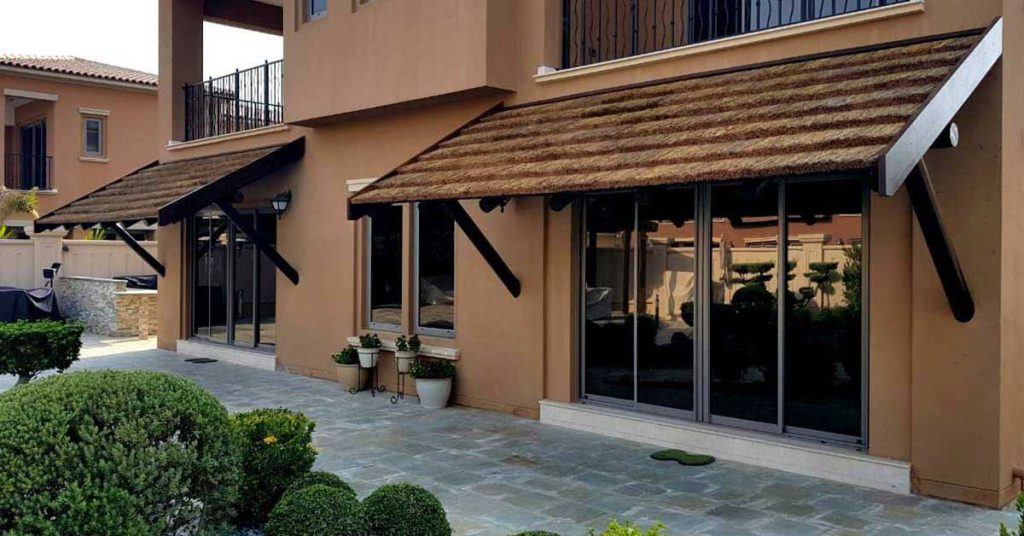
Cape Reed thatch tiles
Cape Reed thatch tiles awning

Key Advantages of Thatch Tiles

Speed of Installation
Pre-manufactured tiles significantly reduce installation time compared to traditional thatching.

Consistency in Finish
Every tile delivers a uniform appearance, ensuring a polished and professional result.

Lower Maintenance
Designed for durability, thatch tiles require less ongoing maintenance.

Scalability
Perfect for large projects such as resorts, hotels, and restaurant chains.

Safety and Performance Considerations

Modern outdoor structures must meet higher safety standards — especially in regions prone to heat and fire risk.

Thatch tiles can be treated with fire-retardant solutions such as Cape Reed Fireshield, providing an added layer of protection and peace of mind.

Cape Reed Thatch Tiles
Luxury resort outdoor space with thatch tile roofing offering durable and consistent finish

Where Thatch Tiles Truly Excel

Thatch tiles are ideal for:

  • Hospitality developments and luxury resorts
  • Outdoor dining and entertainment areas
  • Pergolas, gazebos, and umbrellas
  • Renovation projects requiring quick turnaround

They offer the perfect balance between traditional charm and modern performance.

A Trusted Solution for Global Projects

Cape Reed has delivered thatch solutions across Europe, the Middle East, and beyond — trusted by leading developers, architects, and hospitality brands.

Choosing thatch tiles means choosing a solution that is:

  • Proven
  • Scalable
  • Designed for modern demands
Cape Reed Thatch Tiles

Explore Thatch Tile Solutions Online

Ready to upgrade your project?

👉 Shop Cape Reed Thatch Tiles:
https://www.capereed.es/shop/thatch-tiles-en

Conclusion

If you love the timeless look of thatch but need a solution that performs in today’s world, the answer is clear.

Thatch tiles are the smarter, more efficient choice for modern outdoor spaces.

Why Fire Protection Is Essential in Spain — And How Cape Reed Fireshield Can Safeguard Your Property

Spain’s summers are known for their beauty — long sunny days, vibrant outdoor living, and thriving hospitality venues. But alongside this comes a growing and very real concern: fire risk.

With rising temperatures, dry conditions, and increased use of outdoor spaces, properties across Spain — especially in regions like the Costa del Sol — face heightened vulnerability during the summer months.

For businesses and homeowners alike, fire protection is no longer optional — it’s essential.

Understanding the Fire Risk in Outdoor Structures

Outdoor environments often include natural and timber-based materials such as:

  • Thatched roofs
  • Wooden pergolas
  • Timber decking and structures
  • Shaded outdoor dining areas

While these materials create beautiful and functional spaces, they can also become high-risk elements if left untreated.

Without proper fire protection, a single spark can escalate rapidly — putting people, property, and businesses at risk.

Cape Reed Fireshield Application
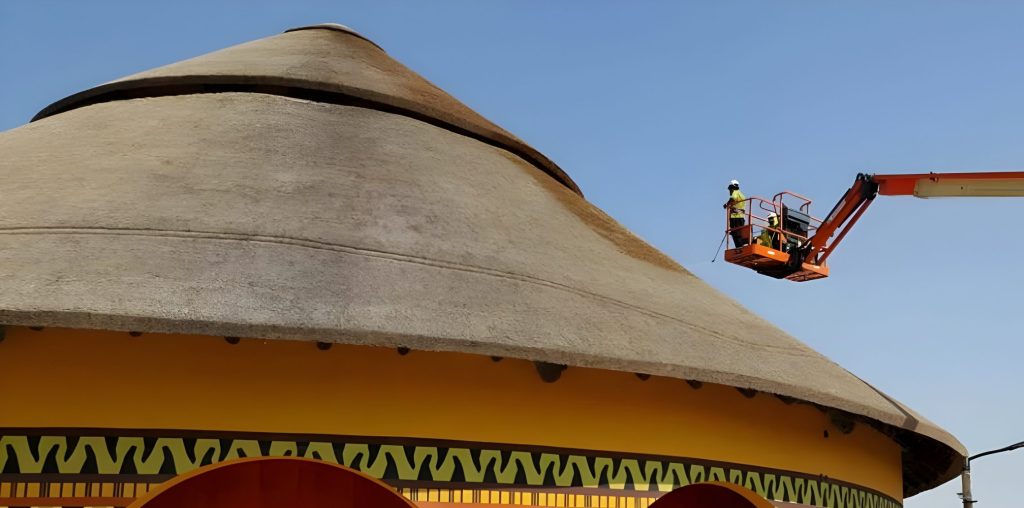
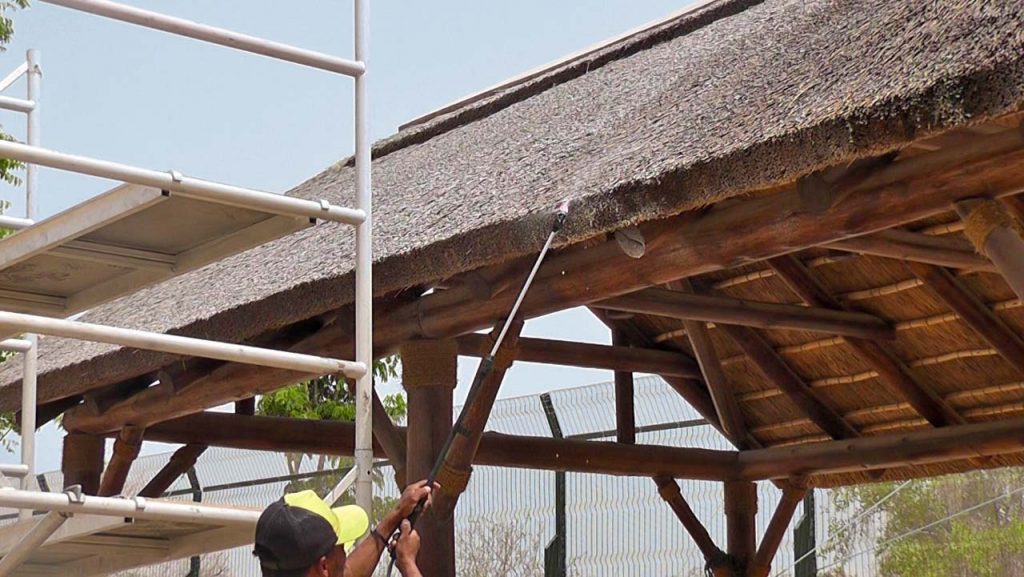
Application of Cape Reed Fireshield fire-retardant treatment on timber and thatch roofing

What Is Cape Reed Fireshield?

Cape Reed Fireshield is a specially developed fire-retardant treatment designed to significantly reduce the risk of ignition and slow the spread of fire in natural and timber structures.

It has been trusted across:

  • Luxury resorts
  • Beach clubs and restaurants
  • Commercial developments
  • Private villas

This makes it one of the most effective solutions for fire protection in Spain’s outdoor environments.

👉 Learn more about our fire protection solution:
https://www.capereed.es/what-we-do/fireshield

Why Fireshield Is Critical for the European Summer

1. Reduces Fire Risk

Fireshield helps protect thatched and timber structures by making them far less susceptible to catching fire.

2. Slows Fire Spread

In the event of a fire, treated materials are less likely to allow flames to spread rapidly — buying valuable time.

3. Supports Compliance

Fire safety regulations are becoming increasingly important across Spain and Europe, particularly for hospitality businesses.

4. Protects Your Investment

Outdoor structures represent a significant investment — Fireshield helps preserve them.

Cape Reed Fireshield
Thatched roof structure treated with fire-retardant solution for summer fire protection

A Crucial Solution for the Costa del Sol and Beyond

Regions like the Costa del Sol experience extended periods of heat and dryness, making them particularly susceptible to fire hazards.

For restaurants, hotels, and beach clubs, this risk is amplified by:

  • High guest volumes
  • Open flames (candles, kitchens, heaters)
  • Outdoor electrical installations

Cape Reed Fireshield plays a critical role in reducing these risks, helping businesses operate safely throughout the season.

Ideal Applications for Cape Reed Fireshield

Fireshield is suitable for a wide range of structures:

  • Thatched roofing systems
  • Pergolas and gazebos
  • Timber cladding and decking
  • Outdoor entertainment areas

If your project involves natural materials, applying a fire-retardant treatment is a smart and responsible decision.

Que hacemos fireshield exterior interior aplicacion
Thatched roof gazebo protected with fire-retardant treatment for safe outdoor dining

Pairing Fireshield with Thatch Tiles

For projects using thatch tiles, combining them with Fireshield creates a powerful balance of aesthetics and safety.

You get:

  • The timeless look of natural thatch
  • The performance of engineered materials
  • The added protection of fire-retardant treatment

This is especially valuable for hospitality environments where both design and safety are critical.

👉 Discover our thatch tile solutions:
https://www.capereed.es/what-we-do/thatch-tiles

Buy Cape Reed Fireshield Online in Europe

With summer approaching, now is the time to act — not when temperatures peak.

👉 Shop Cape Reed Fireshield here:
https://www.capereed.es/shop/fireshield

Ordering online makes it easy to protect your property quickly and efficiently.

Why Businesses Are Taking Action Now

Forward-thinking businesses across Spain are already investing in fire prevention because:

  • Insurance requirements are becoming stricter
  • Guest safety is a top priority
  • Reputation matters in competitive hospitality markets

Taking proactive steps today can prevent devastating consequences tomorrow.

Conclusion: Don’t Wait Until It’s Too Late

Fire risk doesn’t announce itself — it builds quietly with heat, dryness, and time.

Cape Reed Fireshield gives you the ability to act early, protect what matters most, and enjoy the summer season with confidence.

Protect your structures. Protect your business. Protect your peace of mind.

Why Thatch Tiles Are the Perfect Solution for Outdoor Spaces in Spain’s Climate

Spain’s outdoor lifestyle is one of its greatest luxuries — long lunches, late evenings, and sun-filled terraces. But with rising temperatures and intense UV exposure, creating comfortable, shaded outdoor spaces is no longer optional — it’s essential.

This is where thatch tiles in Spain are becoming the preferred solution for architects, hospitality venues, and homeowners looking to combine natural beauty with performance.

The Problem with Traditional Outdoor Materials

Many outdoor structures still rely on materials that simply don’t perform well in Spain’s climate:

  • Metal roofing absorbs heat, making shaded areas uncomfortable
  • Fabric can fade, tear, and degrade under UV exposure
  • Plastic lacks the natural aesthetic expected in high-end environments

For restaurants, beach clubs, and villas, this creates a compromise between style and functionality — one that modern design no longer accepts.

Cape Reed Thatch Tiles
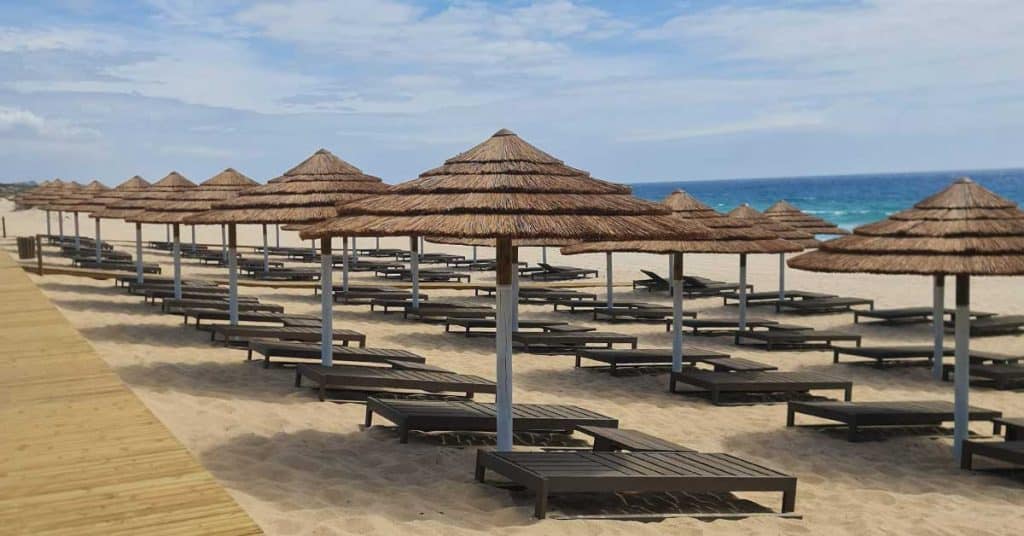
Beach club outdoor area in Spain featuring thatch tile umbrellas roofing for natural cooling and shade

Why Thatch Tiles Work So Well in Spain

Thatch tiles offer a unique combination of natural insulation, breathability, and durability, making them perfectly suited for Mediterranean conditions.

Key Advantages:

  • Natural Cooling Effect
    Thatch tiles allow airflow, helping reduce heat buildup under pergolas and shaded areas.
  • UV Resistance
    Designed to withstand intense sunlight without rapid degradation.
  • Authentic Aesthetic
    Creates a warm, natural, and luxurious atmosphere that enhances any outdoor space.
  • Durability
    Built to perform season after season, even in coastal environments.

Engineered for Performance, Not Just Appearance

Unlike traditional thatching, Cape Reed Thatch Tiles are engineered systems designed for modern construction.

This means:

  • Faster and more efficient installation
  • Consistent, high-quality finish
  • Reduced labour costs
  • Reliable long-term performance

For commercial projects, this translates into time savings, cost efficiency, and predictable results.

Cape Reed Thatch Tile
Thatch umbrellas providing shade in Spain’s hot Mediterranean climate

Perfect for Hospitality and Residential Projects Across Spain

Thatch tiles are ideal for a wide range of applications:

  • Beach clubs and chiringuitos along the Costa del Sol
  • Restaurants and outdoor dining terraces
  • Luxury hotels and resorts
  • Private villas and poolside pergolas

In each case, they create inviting, shaded environments that elevate the guest experience.

A Smart Investment for Business Owners

For hospitality venues, investing in high-quality outdoor spaces directly impacts:

  • Customer comfort and dwell time
  • Visual appeal and social media exposure
  • Overall brand perception

Thatch tiles help transform ordinary spaces into memorable destinations — a key competitive advantage in Spain’s tourism-driven market.

Shop Thatch Tiles Online in Europe

With summer approaching, now is the ideal time to upgrade your outdoor spaces.

👉 Explore Cape Reed Thatch Tiles:
https://www.capereed.es/shop/thatch-tiles-en

Conclusion

If you’re looking for a solution that combines natural beauty, performance, and durability, thatch tiles are the clear choice for Spain’s climate.

This summer, don’t just create shade — create an experience.

Wooden Pergola Applications in Spain & Portugal: Carports, Balconies & More

A wooden pergola is no longer a luxury extra in Spain or Portugal. Instead, it has become an essential architectural feature. With over 300 days of sunshine in many parts of southern Europe, outdoor spaces are used daily. That means shade, comfort, and durability matter.

In regions such as Andalucía, the Algarve, and the Costa del Sol, the climate is warm, dry, and often intense. Therefore, homeowners need structures that can handle heat, UV exposure, and occasional coastal humidity.

Climate Advantages in Spain & Portugal

Southern Europe offers stunning outdoor living conditions. However, direct sun can make patios and balconies uncomfortable without proper cover. A wooden pergola provides:

  • Natural shade
  • Temperature control
  • Air circulation
  • UV protection
  • Visual warmth

Unlike metal, timber doesn’t overheat. As a result, the space underneath remains noticeably cooler. Moreover, timber breathes. It works with nature instead of fighting it.

Why Timber Outperforms Steel & Aluminium

Many developers ask: why choose timber instead of aluminium? The answer is simple — performance and atmosphere.

Steel and aluminium may look modern. However, they lack warmth. More importantly, they absorb heat. In Mediterranean summers, that becomes uncomfortable.

Timber, on the other hand:

  • Stays cooler
  • Ages beautifully
  • Offers superior structural depth
  • Provides architectural character

In fact, wood has been used for centuries in European construction. It’s trusted, tested, and proven. Here are 5 ways to use your wooden pergola…

Wooden Pergola Carports

In Spain and Portugal, carports are extremely popular. Why? Because the sun is relentless.

A wooden pergola carport protects vehicles from:

  • UV damage
  • Paint fading
  • Interior overheating
  • Tree debris

More importantly, it increases property value. Instead of building a closed garage, many homeowners prefer an open timber pergola. It looks lighter. It feels Mediterranean.

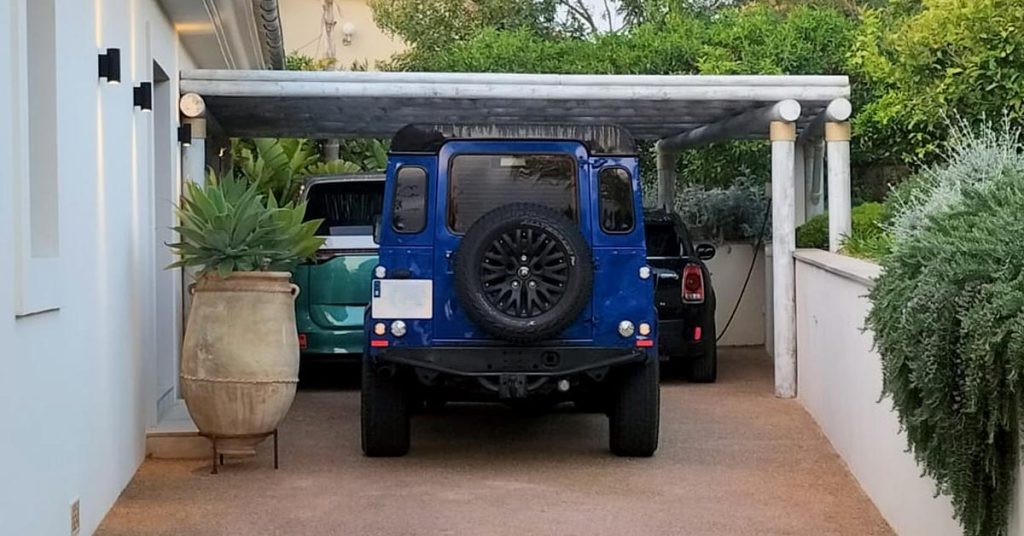
Timber pergola carport shading three vehicles at a villa.

Balcony Pergolas

Urban living in cities like Málaga, Lisbon, and Marbella often means compact balconies. However, even small spaces can benefit from a wooden pergola.

Creating Shade in Compact Spaces

A balcony pergola provides:

  • Filtered shade
  • Privacy
  • Plant support
  • Defined outdoor space

Privacy & Aesthetic Value

Balcony pergolas can include:

  • Slatted timber panels
  • Climbing plants
  • Fabric covers

As a result, residents enjoy a private retreat in busy urban areas.

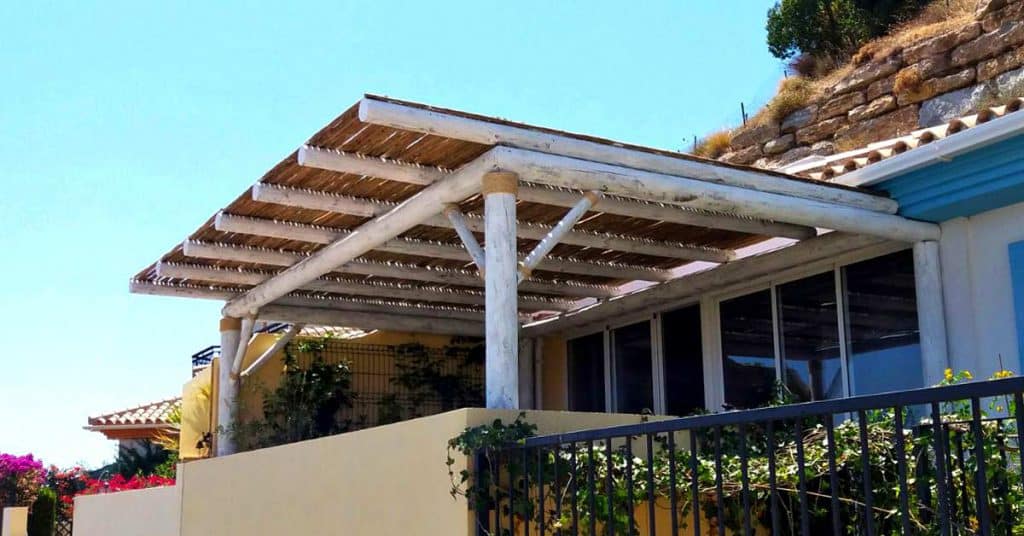
Compact wooden pergola installed on a Spanish apartment balcony creating shaded seating area

Pergolas for Outdoor Jacuzzis

An outdoor jacuzzi without cover loses its magic quickly.
Wind. Sun. Exposure.
A wooden pergola solves that.

Climate Protection & Comfort

Jacuzzi pergolas:

  • Provide shade
  • Reduce debris
  • Enhance privacy
  • Improve year-round usability
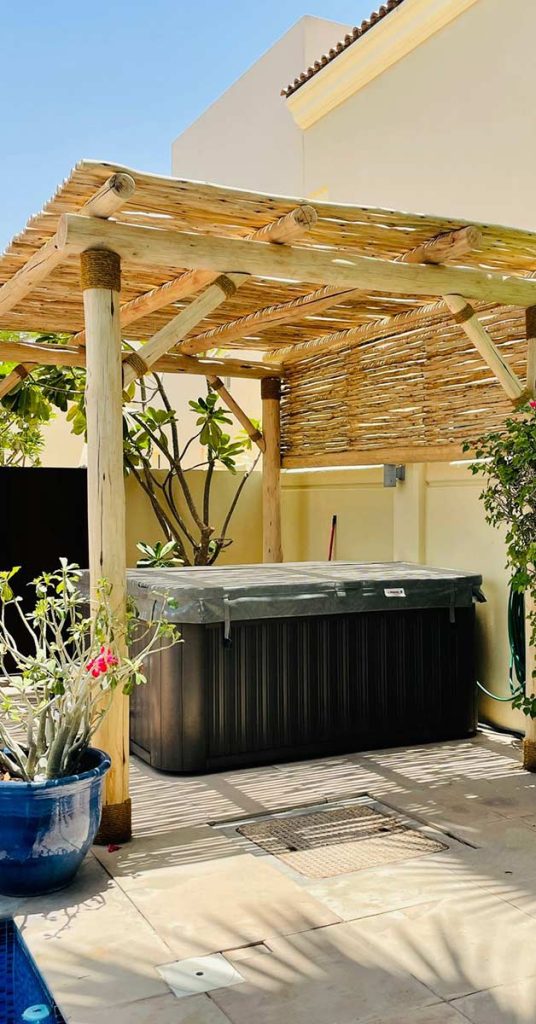
Timber pergola covering an outdoor jacuzzi in Dubai.

Timber Pergola Awnings

A timber awning extends your living room outdoors.

Extending Living Areas

Pergola awnings over terraces create:

  • Outdoor dining rooms
  • Lounge zones
  • Family gathering areas
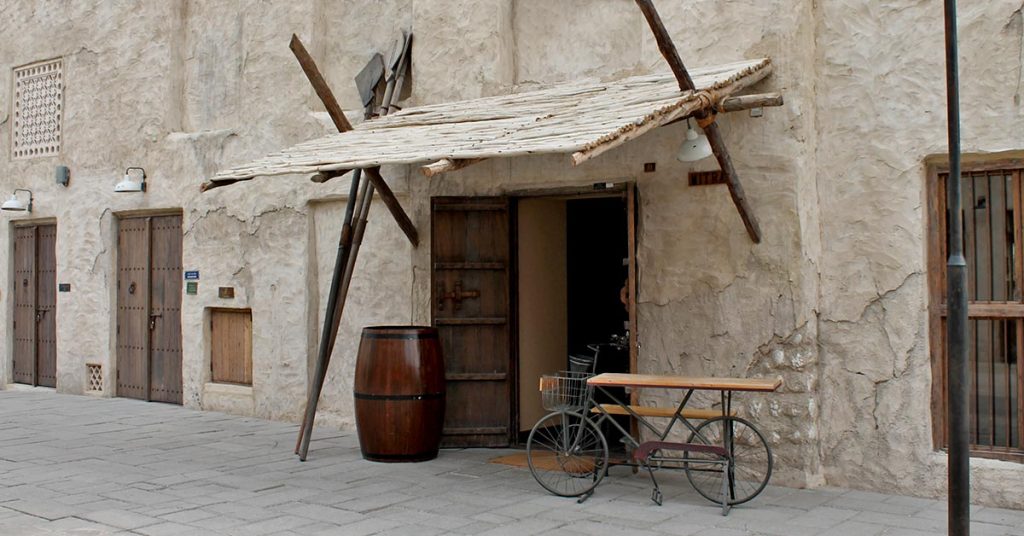
Wooden pergola awning creating a shaded area.

Pergola Daybeds

Sometimes, luxury is simple.

A pergola daybed becomes the ultimate relaxation zone.

Lifestyle & Relaxation Benefits

Under a wooden pergola daybed:

  • You read
  • You nap
  • You unwind

It’s not complicated.

It’s powerful.

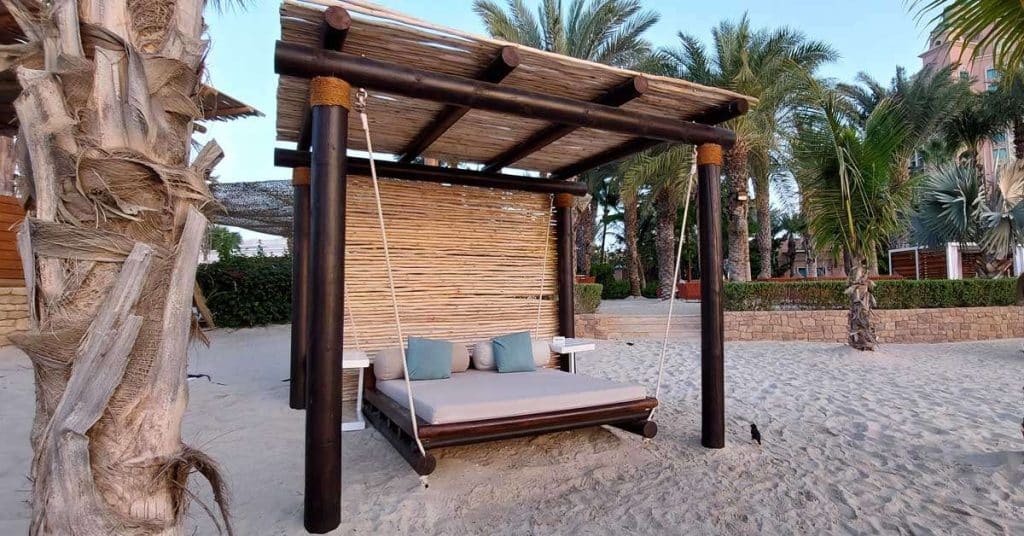
Relaxation Elevated – Experience the Ultimate Comfort on the Cape Reed Swinging Daybed at Atlantis, Dubai.

Final Thoughts: Built for Moments That Matter

A wooden pergola in Spain or Portugal isn’t just an architectural addition.

It’s a lifestyle upgrade.

From carports to jacuzzis, from balconies to daybeds, timber transforms outdoor spaces into usable, comfortable, and beautiful environments.

It protects.
It enhances.
It elevates.

Most importantly, it creates spaces where life happens. Outdoor living in southern Europe isn’t seasonal.

It’s daily.

And the right wooden pergola ensures you enjoy every moment.

Frequently Asked Questions

How long does a wooden pergola last in Spain?

With proper treatment, a wooden pergola can last 20–30 years or more.

Is laminated timber stronger than solid timber?

Yes. Laminated timber offers higher structural stability for large spans.

Do wooden pergolas require maintenance?

Yes. However, maintenance is minimal when treated correctly.

Why Thatched Gazebos Are the Perfect Shade Solution in Hot Climates

In hot climates, outdoor living is all about finding the right balance between comfort, functionality, and style. While many shade solutions exist, few perform as effectively — or look as beautiful — as a thatched gazebo.

Here’s why thatched gazebos remain one of the best natural shade solutions for hot climates around the world.

1. Natural Insulation That Keeps You Cool

Thatched roofs are made from natural materials that provide excellent insulation. Unlike metal or synthetic roofing, thatch does not trap heat. Instead, it allows air to circulate naturally, keeping the space beneath noticeably cooler — even during peak summer temperatures.

Thatched roofs at Gran Melia Don Pepe

2. Superior Temperature Regulation

Thanks to its thickness and breathable structure, thatch regulates temperature far better than many modern materials. This makes a thatched gazebo comfortable throughout the day, from hot afternoons to cooler evenings.

Outdoor family time under a thatched roof gazebo!

3. Ideal for Outdoor Living in Sunny Regions

In regions with intense sun and long summers, shade isn’t optional — it’s essential. A thatched gazebo provides generous, reliable cover while still allowing you to enjoy the outdoors without feeling boxed in.

Cape Reed thatched gazebo outdoor entertainment area in Sotogrande

4. A Sustainable and Eco‑Friendly Choice

Thatch is a renewable, natural material with a low environmental impact. Choosing a thatched gazebo supports sustainable building practices while reducing reliance on energy‑intensive materials.

Cape Reed thatched gazebo in a boho style

5. Built for Comfort and Longevity

When expertly installed and properly maintained, a thatched roof is highly durable and weather‑resistant. With the right treatments and care, it offers long‑term performance in both residential and commercial settings.

Outdoor kitchen with a built-in grill under a Cape Reed thatched roof in Elviria

6. Enhanced Fire Safety Options

Modern thatched gazebos can be treated with advanced fire‑retardant solutions such as Cape Reed Fireshield. This significantly improves fire resistance while maintaining the authentic look and feel of natural thatch.

Cape Reed Fireshield
Cape Reed Fireshield Application

7. Seamless Integration with Luxury Design

Beyond functionality, thatched gazebos bring warmth, texture, and character to any outdoor space. They complement timber decking, stone finishes, and natural landscaping — making them a favourite in high‑end homes, resorts, and hospitality projects.

Traditional Cape Reed craftsmanship creating a serene garden sanctuary in Spain.

The Smarter Way to Shade Your Outdoor Space

If you’re looking for a shade solution that performs beautifully in hot climates while elevating your outdoor lifestyle, a thatched gazebo is hard to beat. It’s a natural, sustainable, and timeless structure designed for comfort.

👉 Get in touch with Cape Reed today to explore bespoke thatched gazebo solutions tailored to your climate and lifestyle.

10 Dream Thatched Gazebo Designs to Inspire Your Outdoor Makeover

Across Europe, outdoor living is a way of life. From long Mediterranean lunches in Spain to relaxed summer evenings in France and Italy, outdoor spaces are designed to be enjoyed slowly, stylishly, and comfortably. A thatched gazebo captures this lifestyle perfectly — blending natural materials, craftsmanship, and timeless design.

Whether you live along the Spanish coast, in the countryside of Portugal, or on a private estate in Belgium, a thatched gazebo creates an elegant focal point that feels both luxurious and authentic.

Here are 10 inspiring thatched gazebo designs, reimagined with a European flair, to help you transform your outdoor space.

1. The Poolside Paradise Gazebo

A poolside thatched gazebo instantly evokes Mediterranean resort living. Ideal for Spanish and Portuguese climates, the natural insulation of thatch keeps the space cool while offering generous shade for sun loungers or relaxed seating areas.

Relax in the Shade of a poolside Cape Reed Thatched Gazebo

2. The Boho-Themed Thatched Gazebo

Effortless and relaxed, this style is inspired by Ibiza, the Algarve, and the South of France. Natural timber, linen textiles, woven furniture, and soft lighting create a laid-back yet refined atmosphere — perfect for coastal homes and countryside retreats alike.

Cape Reed thatched gazebo with a whitewash finish.
Cape Reed thatched gazebo with a whitewash finish decorated with a boho style.

3. The Outdoor Entertainment Gazebo

Designed for long lunches and evenings that stretch late into the night, this gazebo becomes the heart of social living. Whether hosting family in Spain or entertaining guests in Italy, it offers the perfect setting for dining, lounging, and celebration.

Tucked beneath the natural shade of a Cape Reed thatched roof, this fully equipped outdoor kitchen is the ultimate entertaining hub.

4. The Home Gym Gazebo

Enjoy fitness with fresh air and shade. A thatched gazebo home gym is ideal for yoga, pilates, or light training — particularly suited to warmer European regions where outdoor movement is part of everyday life.

Cape Reed home gym
Thatched gazebo converted into a fitness studio with natural wood textures and bright outdoor lighting.

5. The Home Office Gazebo

As remote work becomes more common across Europe, a thatched gazebo offers a calm, inspiring workspace. Naturally cool and filled with light, it provides a peaceful alternative to indoor offices, especially in sunny climates.

Cape Reed thatched roof home office
Abhome office featuring natural textures, a thatched gazebo-style roof, and warm accent lighting.

6. The Garden Retreat Gazebo

Inspired by European gardens and courtyards, this gazebo creates a tranquil escape. Surrounded by olive trees, lavender, or lush greenery, it’s perfect for reading, meditation, or simply enjoying quiet moments outdoors.

Cape Reed elevated thatched gazebo with timber decking and balustrades
Sustainable shading thatched gazebo with timber decking and balustrades

7. The Modern Thatched Gazebo

Contemporary architecture meets traditional materials. Clean lines and minimalist detailing give this gazebo a refined, modern feel while preserving the warmth and character that thatch is known for — ideal for modern European villas.

Cape Reed thatched gazebo in Marbella
Modern Cape Reed thatched gazebo in Marbella

8. The Pool Bar or Swim-Up Gazebo

A favourite in Mediterranean homes and boutique resorts, a thatched pool bar brings relaxed luxury to outdoor entertaining. It’s a natural gathering point for summer afternoons and sunset drinks.

Sunken thatched gazebo with a swim-up poolbar.

9. The Compact Courtyard Gazebo

Even in smaller European courtyards or urban gardens, a thatched gazebo can make a big impact. Custom-designed structures add shade, texture, and charm without overpowering the space.

10. The Luxury Lodge-Style Gazebo

Inspired by exclusive European resorts and countryside estates, this design features bold timber structures and expansive thatched roofs. It creates a striking yet welcoming space for entertaining, relaxing, or hospitality settings.

Designed for European Living

A thatched gazebo is more than a shade structure — it’s an invitation to slow down and enjoy outdoor living the European way. Cape Reed designs and builds bespoke thatched gazebos across Spain, Portugal, Belgium, Italy, and France, tailored to each climate, setting, and lifestyle.

👉 Contact our team today to begin designing your bespoke thatched gazebo for your European home.