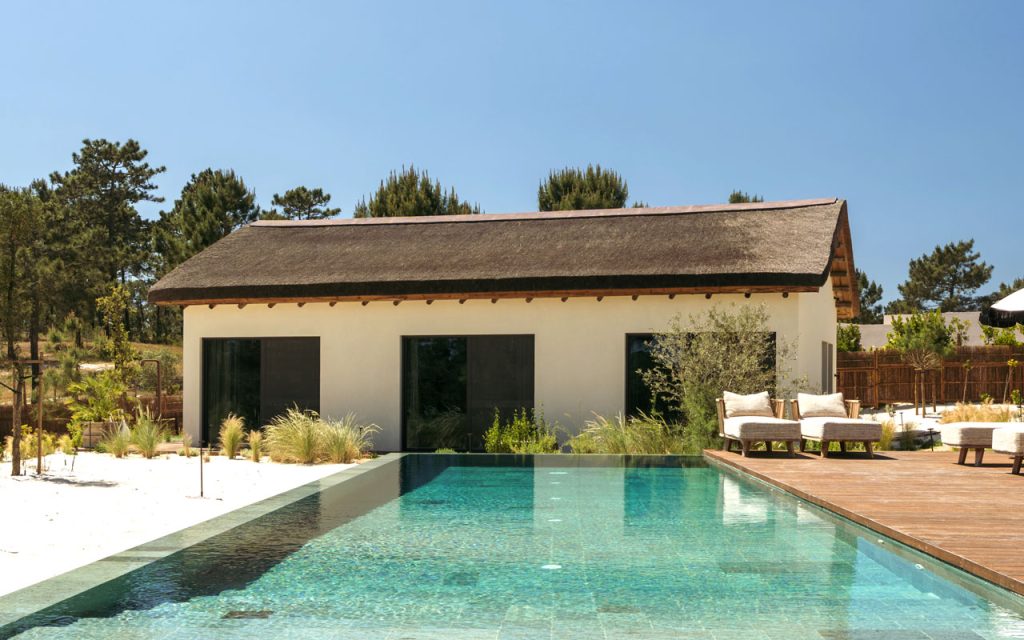
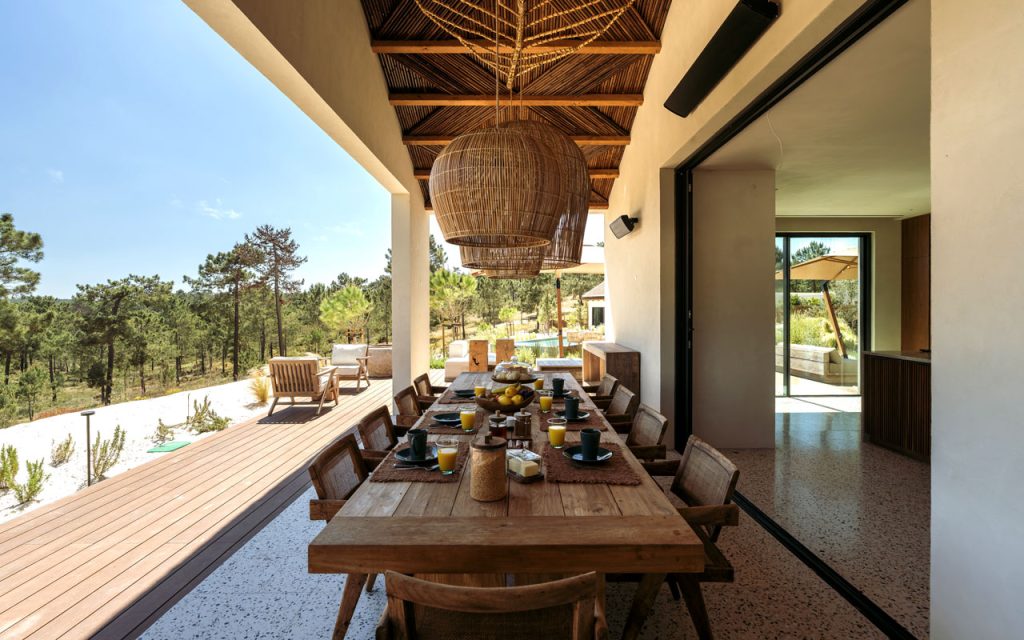
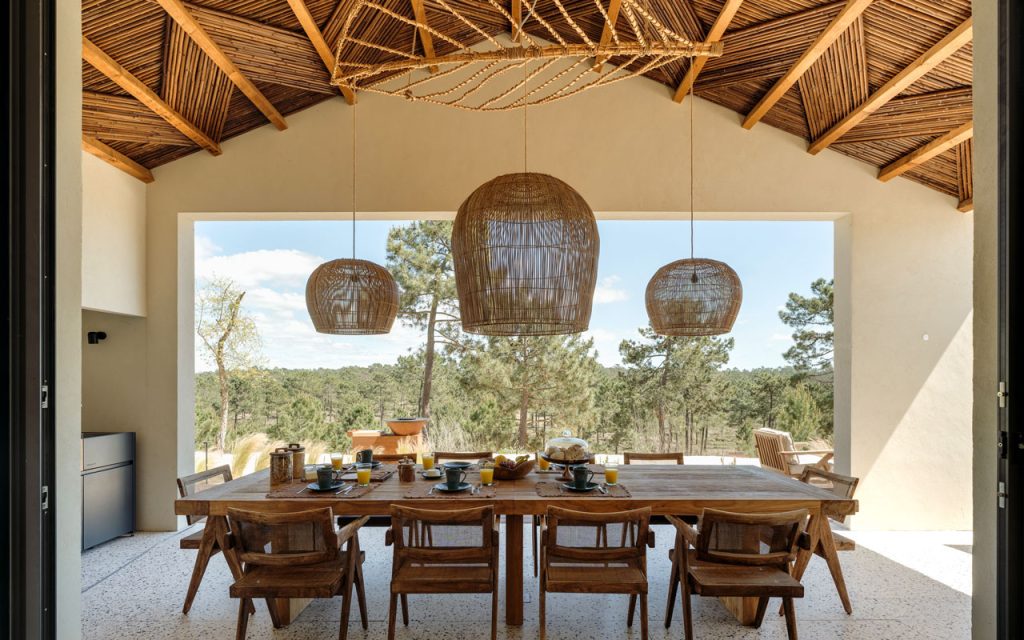
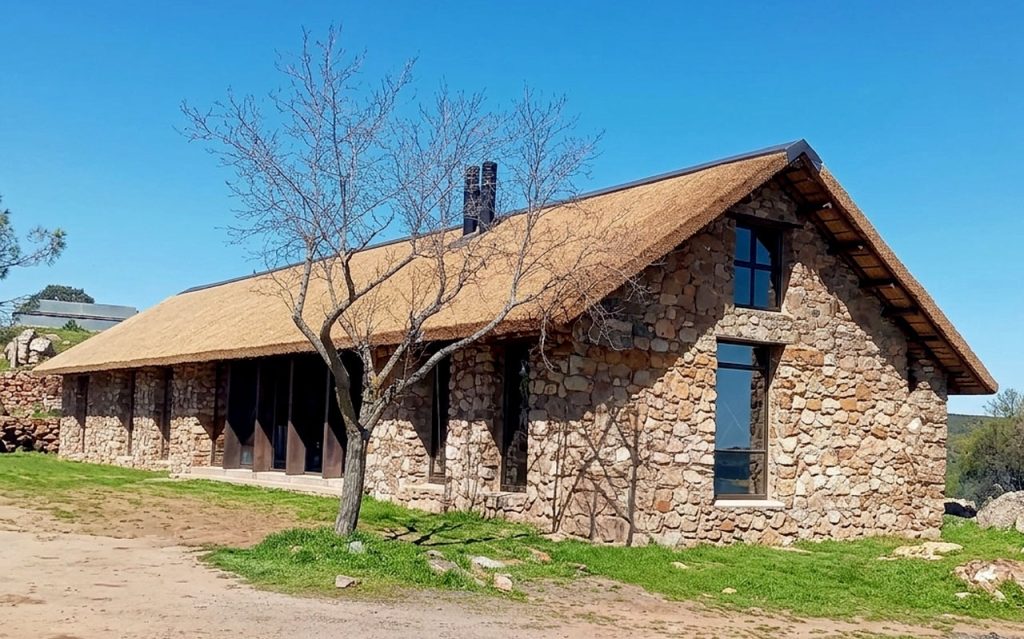
In hot climates, outdoor living is all about finding the right balance between comfort, functionality, and style. While many shade solutions exist, few perform as effectively — or look as beautiful — as a thatched gazebo.
Here’s why thatched gazebos remain one of the best natural shade solutions for hot climates around the world.
1. Natural Insulation That Keeps You Cool
Thatched roofs are made from natural materials that provide excellent insulation. Unlike metal or synthetic roofing, thatch does not trap heat. Instead, it allows air to circulate naturally, keeping the space beneath noticeably cooler — even during peak summer temperatures.
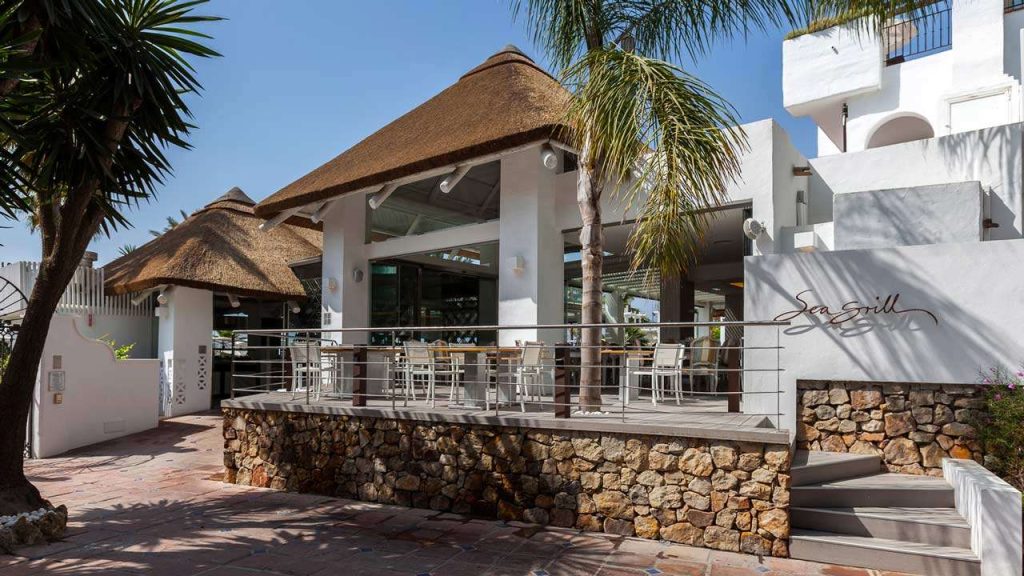
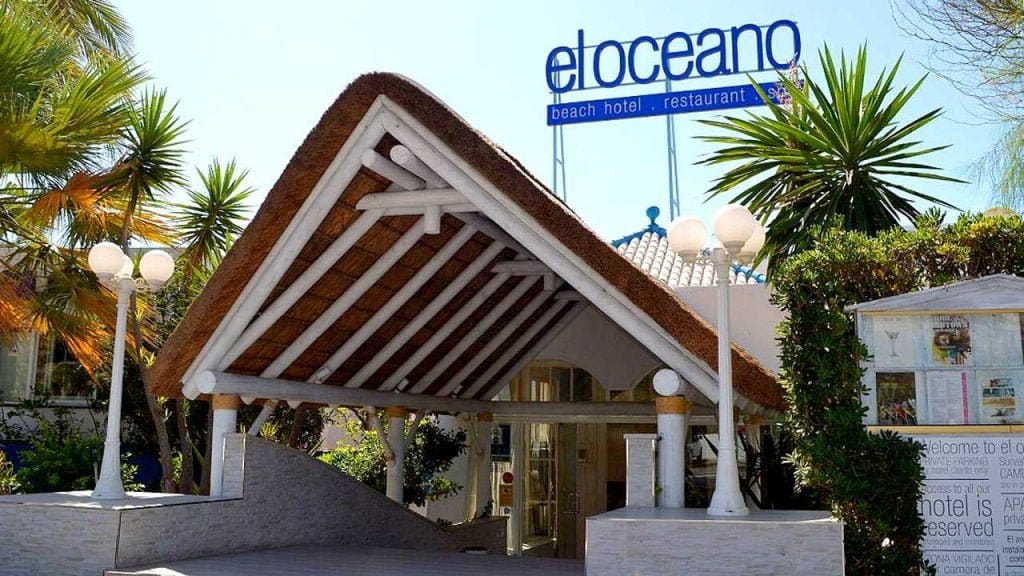
Thatched roofs at Gran Melia Don Pepe
2. Superior Temperature Regulation
Thanks to its thickness and breathable structure, thatch regulates temperature far better than many modern materials. This makes a thatched gazebo comfortable throughout the day, from hot afternoons to cooler evenings.
Outdoor family time under a thatched roof gazebo!
3. Ideal for Outdoor Living in Sunny Regions
In regions with intense sun and long summers, shade isn’t optional — it’s essential. A thatched gazebo provides generous, reliable cover while still allowing you to enjoy the outdoors without feeling boxed in.
Cape Reed thatched gazebo outdoor entertainment area in Sotogrande
4. A Sustainable and Eco‑Friendly Choice
Thatch is a renewable, natural material with a low environmental impact. Choosing a thatched gazebo supports sustainable building practices while reducing reliance on energy‑intensive materials.
Cape Reed thatched gazebo in a boho style
5. Built for Comfort and Longevity
When expertly installed and properly maintained, a thatched roof is highly durable and weather‑resistant. With the right treatments and care, it offers long‑term performance in both residential and commercial settings.
Outdoor kitchen with a built-in grill under a Cape Reed thatched roof in Elviria
6. Enhanced Fire Safety Options
Modern thatched gazebos can be treated with advanced fire‑retardant solutions such as Cape Reed Fireshield. This significantly improves fire resistance while maintaining the authentic look and feel of natural thatch.
Cape Reed Fireshield Application
7. Seamless Integration with Luxury Design
Beyond functionality, thatched gazebos bring warmth, texture, and character to any outdoor space. They complement timber decking, stone finishes, and natural landscaping — making them a favourite in high‑end homes, resorts, and hospitality projects.
Traditional Cape Reed craftsmanship creating a serene garden sanctuary in Spain.
The Smarter Way to Shade Your Outdoor Space
If you’re looking for a shade solution that performs beautifully in hot climates while elevating your outdoor lifestyle, a thatched gazebo is hard to beat. It’s a natural, sustainable, and timeless structure designed for comfort.
Cape Reed has reached a defining milestone in Europe with the completion of its largest thatching project—beautiful natural thatched roofs within Edenya at Pairi Daiza in Belgium. This ambitious undertaking blends heritage craftsmanship with advanced environmental design, creating a structure that feels both timeless and innovative.
From the very first design discussions to the final thatch layer, this project reflects a commitment to sustainable architecture, natural materials, and engineering excellence. The result is a living, breathing roof system that performs in a modern, high-traffic environment while honoring centuries-old thatching traditions. Visitors stepping into Edenya are welcomed into a lush tropical world—protected by a roof that proves natural building methods can scale beautifully for the future.
Natural Cape Reed thatched roofs within Edenya at Pairi Daiza in Belgium
Our Biggest Commercial Thatching Project in Europe (By the Numbers)
This milestone wasn’t just about design ambition—it was about scale, logistics, and precision execution. Here’s what it took to bring Edenya’s roof to life:
2,300m² of thatched roofing covering expansive roof planes
10 x 40-foot containers of materials transported across continents
150,000 bundles of natural Cape Reed thatch imported from South Africa
Every bundle was harvested, prepared, packed, and shipped with strict quality control to preserve performance and longevity. Coordinating international logistics at this scale required careful timing, climate-safe transport, and seamless on-site planning—ensuring that the thatch arrived in perfect condition for installation.
Edenya: A Tropical Greenhouse of Global Significance
Edenya stands as a bold ecological vision within the wider world of Pairi Daiza—one of Europe’s most celebrated zoological and botanical destinations. Designed as a vast tropical greenhouse, Edenya shelters diverse ecosystems beneath a precision-engineered glass canopy. Light floods the interior evenly, while temperature and humidity are carefully regulated to mimic tropical climates year-round.
This balance of nature and technology is what makes Edenya special. Hybrid climate systems stabilize conditions for sensitive plant species, while innovative airflow management ensures resilience through changing seasons. In short, Edenya doesn’t just showcase biodiversity—it demonstrates how future-focused environmental design can coexist with natural building materials like Cape Reed thatch.
Natural Cape Reed thatched roofs covering the Edenya tropical greenhouse at Pairi Daiza in Belgium
The Vision Behind the Project
Large-scale projects succeed when vision, collaboration, and technical clarity align. From the outset, the goal was to create a roof system that would:
Celebrate natural aesthetics
Perform reliably in a controlled tropical environment
Support sustainability goals at a landmark destination
Endure the demands of a high-visitor public space
Cape Reed’s role was to translate this vision into reality—combining traditional thatching know-how with modern performance standards. Every design choice, from thatch thickness to ventilation detailing, was guided by long-term durability and ecological responsibility.
Scale and Craftsmanship in Every Detail
Delivering Cape Reed’s largest thatching project in Europe required exceptional coordination across borders. Natural thatch was supplied from South Africa, with meticulous logistics to ensure quality control, moisture management, and timing precision. Each bundle arrived prepared for consistent density, allowing artisans to achieve seamless coverage across expansive roof planes.
While the project was massive in scale, the work itself was deeply human. Skilled thatchers applied traditional techniques, ensuring each layer was positioned for optimal performance and longevity. Quality checks at every stage safeguarded the roof’s structural integrity, proving that craftsmanship still sits at the heart of megaproject delivery.
What made the craftsmanship stand out?
Hand-laid thatch for precision
Layered density control for durability
Rigorous quality inspections to meet performance standards
Detailing at edges and junctions to prevent weather ingress
The result is a roof that doesn’t just look spectacular—it performs.
Close-up of hand-laid Cape Reed thatch roof detailing at Edenya in Pairi Daiza Belgium
Sustainable Materials with Performance at Heart
One of the most compelling aspects of this project is how natural thatch delivers modern performance. Cape Reed thatch offers proven insulation properties, helping stabilize interior temperatures while supporting breathable roof structures. This means indoor climates remain comfortable, reducing reliance on mechanical cooling and heating systems.
Sustainability benefits include:
Lower embodied carbon compared to many synthetic roofing materials
Natural insulation that reduces energy loads
Breathability, preventing moisture build-up
Biodegradability at end of life
When paired with Edenya’s glass canopy, smart ventilation, and climate control systems, the thatched roof becomes part of a holistic sustainability strategy—not a decorative afterthought.
Why Natural Thatch Still Matters in Modern Architecture
In an era dominated by concrete, steel, and composites, natural thatch offers something refreshingly human. It connects architecture to place, craft, and climate wisdom—lessons refined over centuries. At Edenya, thatch proves it can operate within high-tech environments without losing its soul.
Benefits of thatch in modern builds:
Thermal comfort through natural insulation
Acoustic dampening for quieter interiors
Visual warmth that softens large structures
Cultural authenticity in eco-focused design
This project reframes thatch as a premium, future-ready roofing solution, not a nostalgic relic.
A living ecosystem protected by sustainable thatched roofing.
A European Milestone for Cape Reed
This delivery marks Cape Reed’s largest European project to date, setting a new benchmark for scale, quality, and collaboration. It strengthens partnerships across the continent and reinforces trust with global collaborators who value sustainable craftsmanship at scale.
Internally, the project sharpened processes for future megaprojects—improving execution speed, safety protocols, and quality assurance frameworks. For Cape Reed, this milestone is more than a completed roof; it’s a platform for future innovation across Europe.
Looking Ahead with Confidence
This project signals strong momentum for Cape Reed’s growth in Europe. As demand rises for eco-led architecture and natural roofing solutions, large-scale thatching is no longer niche—it’s necessary. New regions are exploring sustainable design frameworks, and Cape Reed’s proven ability to deliver at scale positions the company as a go-to specialist.
Moving forward, delivery frameworks refined during the Edenya project will enable faster, safer execution—without sacrificing craft traditions. The future of thatching is bold, scalable, and proudly natural.
Frequently Asked Questions
What makes Edenya unique among greenhouse projects?
Edenya combines vast scale with climate precision, integrating advanced systems with living ecosystems to support tropical environments year-round.
How does natural thatch perform in large structures?
Natural thatch offers excellent insulation, breathability, and moisture regulation—supporting stable interior climates even at scale.
Why choose Cape Reed for European projects?
Cape Reed blends proven craftsmanship with global logistics expertise, delivering quality, speed, and sustainability for complex European builds.
Across Europe, outdoor living is a way of life. From long Mediterranean lunches in Spain to relaxed summer evenings in France and Italy, outdoor spaces are designed to be enjoyed slowly, stylishly, and comfortably. A thatched gazebo captures this lifestyle perfectly — blending natural materials, craftsmanship, and timeless design.
Whether you live along the Spanish coast, in the countryside of Portugal, or on a private estate in Belgium, a thatched gazebo creates an elegant focal point that feels both luxurious and authentic.
Here are 10 inspiring thatched gazebo designs, reimagined with a European flair, to help you transform your outdoor space.
1. The Poolside Paradise Gazebo
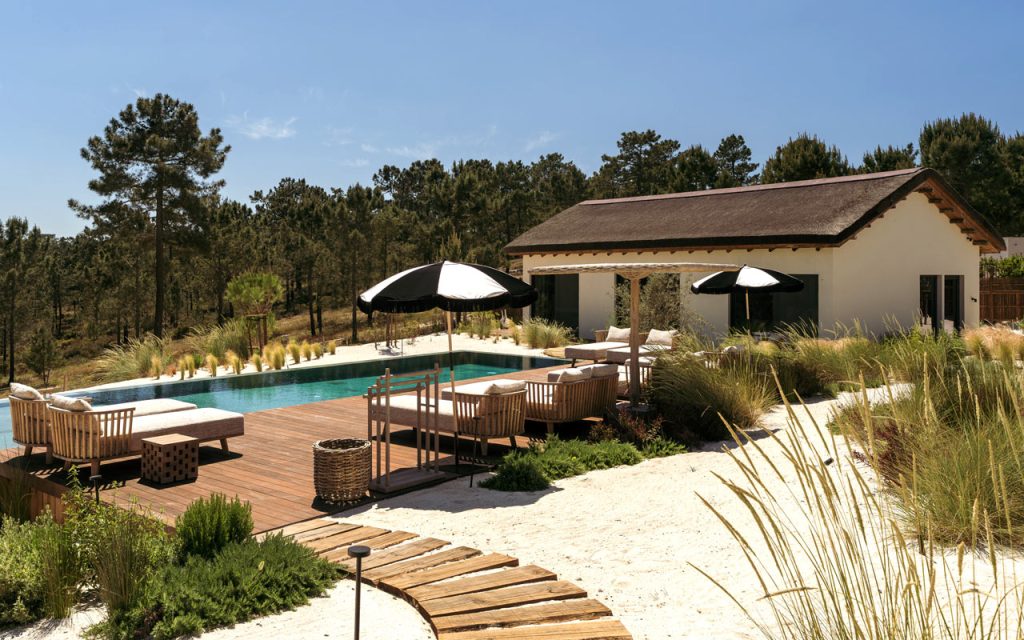
A poolside thatched gazebo instantly evokes Mediterranean resort living. Ideal for Spanish and Portuguese climates, the natural insulation of thatch keeps the space cool while offering generous shade for sun loungers or relaxed seating areas.
Relax in the Shade of a poolside Cape Reed Thatched Gazebo
2. The Boho-Themed Thatched Gazebo
Effortless and relaxed, this style is inspired by Ibiza, the Algarve, and the South of France. Natural timber, linen textiles, woven furniture, and soft lighting create a laid-back yet refined atmosphere — perfect for coastal homes and countryside retreats alike.
Cape Reed thatched gazebo with a whitewash finish decorated with a boho style.
3. The Outdoor Entertainment Gazebo
Designed for long lunches and evenings that stretch late into the night, this gazebo becomes the heart of social living. Whether hosting family in Spain or entertaining guests in Italy, it offers the perfect setting for dining, lounging, and celebration.
Tucked beneath the natural shade of a Cape Reed thatched roof, this fully equipped outdoor kitchen is the ultimate entertaining hub.
4. The Home Gym Gazebo
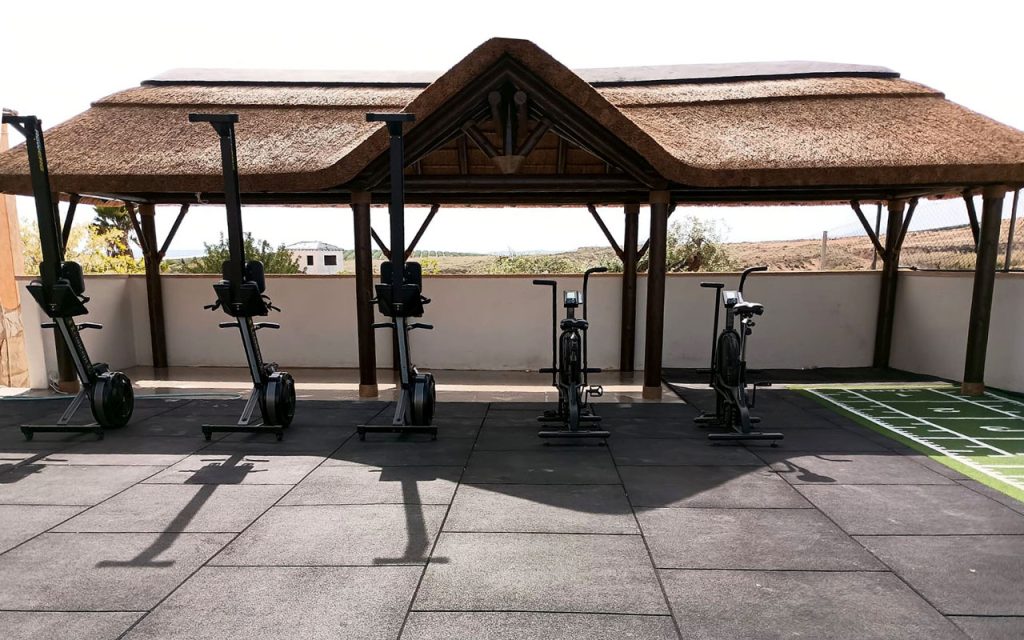
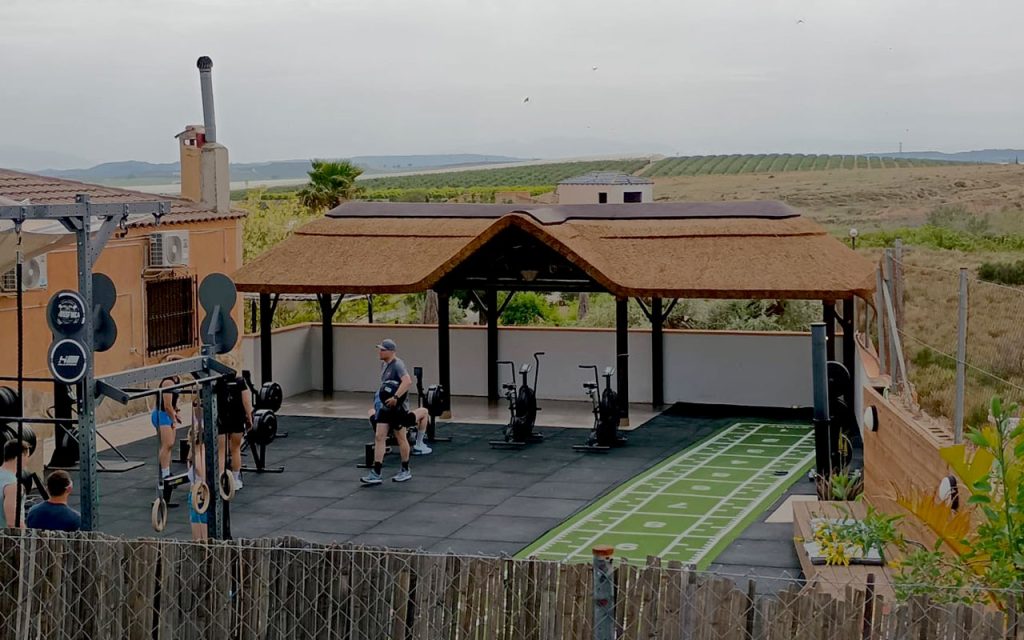
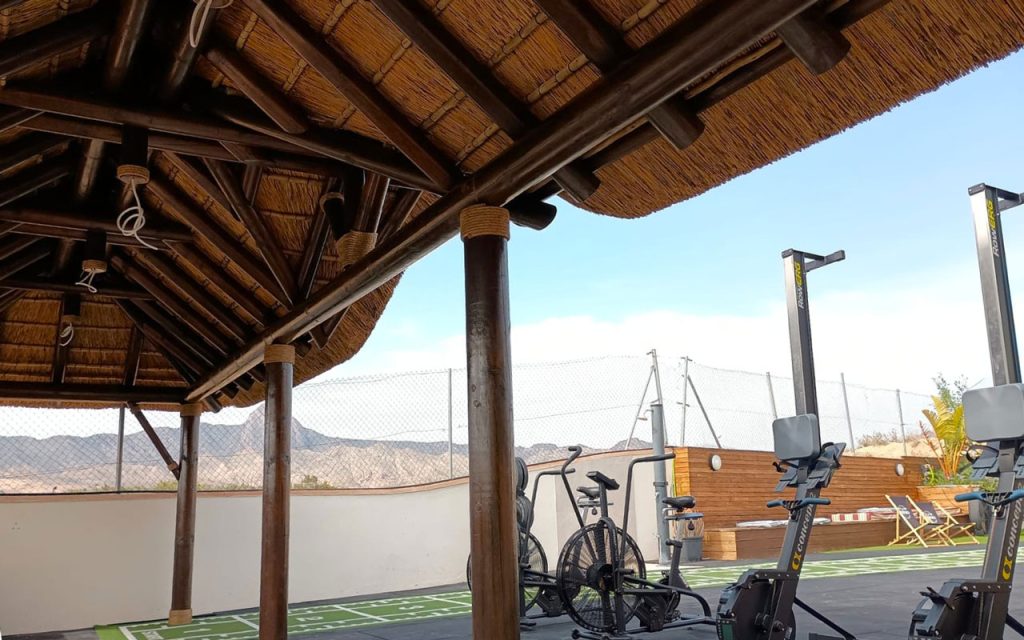
Enjoy fitness with fresh air and shade. A thatched gazebo home gym is ideal for yoga, pilates, or light training — particularly suited to warmer European regions where outdoor movement is part of everyday life.
Thatched gazebo converted into a fitness studio with natural wood textures and bright outdoor lighting.
5. The Home Office Gazebo
As remote work becomes more common across Europe, a thatched gazebo offers a calm, inspiring workspace. Naturally cool and filled with light, it provides a peaceful alternative to indoor offices, especially in sunny climates.
Abhome office featuring natural textures, a thatched gazebo-style roof, and warm accent lighting.
6. The Garden Retreat Gazebo
Inspired by European gardens and courtyards, this gazebo creates a tranquil escape. Surrounded by olive trees, lavender, or lush greenery, it’s perfect for reading, meditation, or simply enjoying quiet moments outdoors.
Sustainable shading thatched gazebo with timber decking and balustrades
7. The Modern Thatched Gazebo
Contemporary architecture meets traditional materials. Clean lines and minimalist detailing give this gazebo a refined, modern feel while preserving the warmth and character that thatch is known for — ideal for modern European villas.
Modern Cape Reed thatched gazebo in Marbella
8. The Pool Bar or Swim-Up Gazebo
A favourite in Mediterranean homes and boutique resorts, a thatched pool bar brings relaxed luxury to outdoor entertaining. It’s a natural gathering point for summer afternoons and sunset drinks.
Sunken thatched gazebo with a swim-up poolbar.
9. The Compact Courtyard Gazebo
Even in smaller European courtyards or urban gardens, a thatched gazebo can make a big impact. Custom-designed structures add shade, texture, and charm without overpowering the space.
10. The Luxury Lodge-Style Gazebo
Inspired by exclusive European resorts and countryside estates, this design features bold timber structures and expansive thatched roofs. It creates a striking yet welcoming space for entertaining, relaxing, or hospitality settings.
Designed for European Living
A thatched gazebo is more than a shade structure — it’s an invitation to slow down and enjoy outdoor living the European way. Cape Reed designs and builds bespoke thatched gazebos across Spain, Portugal, Belgium, Italy, and France, tailored to each climate, setting, and lifestyle.
👉 Contact our team today to begin designing your bespoke thatched gazebo for your European home.
Nestled along the golden sands of Estepona, Chiringuito El Madero stands as one of the most charming beachfront restaurants on the Costa del Sol. Known for its relaxed atmosphere and mouth-watering seafood, it’s a true representation of Andalusian coastal life.
Here, visitors can enjoy the typical Malaga fried fish, fresh sea bream, king prawns, squid, and the famous sardine skewers—all grilled to perfection in a traditional fishing boat. The setting is as authentic as the cuisine, offering a perfect blend of rustic charm and coastal elegance.
Beautiful timber cladding exterior at Chiringuito El Madero in Estepona
Thatch and Timber Craftsmanship
Cape Reed was proud to be part of the transformation of Chiringuito El Madero, crafting a space that feels both natural and luxurious. Our team constructed a beautiful thatch roof that seamlessly complements the beach surroundings while providing natural insulation and a tropical aesthetic.
The interior features timber and thatch detailing, enhancing the warm and welcoming feel of the restaurant. We also installed timber lath screens for shade and privacy, along with timber wall cladding on the exterior to create a unified, organic look. Every element was designed to blend with the coastal environment while maintaining the durability needed for seaside structures.
Safety Meets Sustainability with Cape Reed Fireshield
In addition to design and craftsmanship, Cape Reed prioritizes safety and sustainability. To protect the structure, we applied our innovative Cape Reed Fireshield treatment. This environmentally friendly solution enhances fire resistance without compromising the natural beauty of the thatch or timber.
By combining eco-conscious construction methods with advanced safety technology, we ensure that Chiringuito El Madero’s structure is as safe as it is stunning—ready to welcome guests season after season.
Interior view of Chiringuito El Madero in Estepona
Why Cape Reed Is the Perfect Contractor for Chiringuitos
Across Spain, chiringuitos are the heart and soul of beach life. From casual seaside bars to sophisticated restaurants, these beloved establishments embody the Mediterranean spirit.
Cape Reed is the ideal partner for building or maintaining these spaces. Our natural materials, sustainable building practices, and expert craftsmanship make us the go-to contractor for authentic, eco-friendly beach structures. Whether it’s a simple timber pergola or a full thatched restaurant roof, our designs capture the essence of coastal living while standing strong against the elements.
Maintenance and Longevity You Can Rely On
Beyond construction, Cape Reed also provides ongoing maintenance services to keep chiringuitos in top condition. With regular care and the protective benefits of Cape Reed Fireshield, structures remain beautiful, durable, and compliant with safety standards.
We understand the challenges of coastal environments—sun, salt, and humidity—and design every project to thrive under these conditions. Our craftsmanship ensures that every structure continues to inspire, season after season.
Timber cladding with thatched roof at Chiringuito El Madero in Estepona
Contact Cape Reed for Your Next Coastal Project
If you’re dreaming of creating or upgrading your beach restaurant, bar, or chiringuito, Cape Reed is your trusted partner. We bring decades of expertise, sustainable materials, and a passion for natural design to every project.
Let us help you craft a space that’s both breathtaking and built to last.
👉 Contact our team today to discuss your vision and discover how Cape Reed can turn your coastal dream into reality.
Sustainability is no longer just a trend—it’s a necessity. In Spain and across Europe, homeowners are seeking ways to live in harmony with nature while still enjoying luxury and comfort. One of the most effective ways to achieve this is by choosing natural materials like timber and thatch for outdoor spaces. These materials combine timeless beauty with eco-conscious benefits, making them ideal for Mediterranean living.
Why Sustainability Matters in Outdoor Design
The Costa del Sol’s climate encourages an outdoor lifestyle, but it also demands building materials that can withstand sun, wind, and sea air. Traditional concrete and synthetic options often harm the environment, while natural materials like timber and thatch offer a renewable, low-impact alternative. Choosing eco-friendly solutions means reducing your carbon footprint without sacrificing style.
Cape Reed timber and thatch outdoor entertaining area
The Eco-Benefits of Timber
Renewable Resource: When sourced responsibly, timber is one of the most sustainable building materials available.
Natural Aesthetics: Timber blends seamlessly into gardens, terraces, and coastal landscapes.
Durability: With proper treatment, timber can last for decades, offering strength and resilience.
Biophilic Design: Studies show that natural materials improve wellbeing by connecting people to nature.
Why Thatch is a Smart, Green Choice
Natural Insulation:Thatch keeps spaces cooler in summer and warmer in winter, reducing energy usage.
Minimal Processing: Unlike industrial materials, thatch requires little processing, lowering its environmental impact.
Authenticity: A thatched pergola, gazebo, or roof instantly adds character while staying true to eco-friendly principles.
Fire Protection: With modern treatments like Cape Reed Fireshield, thatch can now be made safer without losing its natural qualities.
Cape Reed thatched gazebo in a whitewash finish
How Cape Reed Combines Luxury and Sustainability
At Cape Reed, sustainability is at the heart of every project. From FSC-certified timber to carefully sourced thatch, every material is chosen with environmental responsibility in mind. The result? Outdoor spaces that are beautiful, functional, and respectful of nature.
Practical Ways to Create Sustainable Outdoor Living
Install a timber pergola for shade instead of synthetic awnings.
Use thatched gazebos to create eco-friendly retreats in the garden.
Opt for timber decking instead of plastic or concrete alternatives.
Incorporate natural shading with plants and laths for an authentic Mediterranean feel.
Wooden whitewash pergola at the Boho Club in Marbella
Conclusion
Creating a sustainable outdoor space doesn’t mean compromising on luxury—it means choosing smarter, greener solutions. With timber and thatch, you can enjoy outdoor living on the Costa del Sol while supporting a lifestyle that protects the planet for future generations.
👉 Discover Cape Reed’s eco-friendly outdoor solutions today and take the first step towards a greener, more luxurious Mediterranean lifestyle.
FAQs
Why are timber and thatch considered sustainable?
They are renewable, natural materials with a lower carbon footprint compared to synthetic alternatives.
Are sustainable materials durable enough for outdoor use?
Yes, with proper treatment, both timber and thatch can last for decades.
How does thatch reduce energy consumption?
Its natural insulation reduces the need for artificial cooling and heating.
Does choosing sustainable materials increase project costs?
Not necessarily—many eco-friendly solutions provide long-term savings and add property value.
For centuries, thatch roofing has been associated with tradition, rustic charm, and countryside living. Today, it’s making a remarkable comeback in Mediterranean regions like Spain—not just for its aesthetics but also for its eco-friendly and practical advantages. Homeowners on the Costa del Sol and beyond are rediscovering the timeless appeal of thatch.
The Natural Beauty of Thatch
Thatch instantly transforms a property. Its warm, organic texture blends seamlessly with the Mediterranean landscape, creating a natural harmony between the home and its surroundings. Whether paired with a modern villa or a traditional finca, thatch adds a unique character that tiled roofs simply can’t match.
Beautiful thatched roof at Shanti-Som Well-being retreat.
Energy Efficiency and Comfort
One of the greatest benefits of thatch is its natural insulation. In hot Spanish summers, it keeps interiors cooler, reducing reliance on air conditioning. During cooler months, it retains warmth, creating a comfortable living environment all year round. This makes it not only a stylish choice but also a smart one.
A Sustainable Roofing Option
With growing awareness around sustainable construction, thatch has become an attractive choice. Cape Reed uses renewable and responsibly sourced materials, ensuring that each project supports eco-friendly building practices. Choosing thatch isn’t just about design—it’s about making a statement for the planet.
Modern outdoor poolside thatched gazebo with kitchen and seating area.
Modern Safety and Durability
Advances in technology have made thatch safer and longer-lasting than ever. With innovations like Cape Reed Fireshield, thatched roofs are now protected against fire and decay, providing homeowners with peace of mind and durability that rivals conventional roofing materials.
Perfect for Outdoor Living Spaces
Beyond roofing for homes, thatch is also a popular choice for gazebos, pergolas, and garden structures. These thatched features create shaded, cool retreats—ideal for entertaining or relaxing in Spain’s sunny climate. They also bring a tropical, resort-like atmosphere to private gardens.
Relaxed boho outdoor living space with soft lighting and a fireplace by the pool
Conclusion
The resurgence of thatch roofing in Mediterranean homes is no coincidence. Its blend of beauty, functionality, sustainability, and modern safety makes it a perfect choice for homeowners looking to create unique and eco-conscious living spaces.
If you’re inspired to transform your home or outdoor space, explore Cape Reed’s bespoke thatching solutions tailored for the Costa del Sol.
👉 Contact us today and discover how a thatched roof can bring timeless elegance to your Mediterranean lifestyle.
FAQs:
Is a thatched roof suitable for Mediterranean climates?
Yes, thatch provides excellent natural insulation, keeping homes cooler in summer and warmer in winter.
How long does a thatched roof last in Spain?
With proper maintenance, a thatched roof can last 25–30 years or more.
Is thatch safe from fire risks?
Modern treatments like Cape Reed Fireshield greatly enhance fire resistance, making thatch safe and durable.
Every outdoor space has a purpose. Some are made for relaxation. Others are built for gathering, celebrating, or escaping. At Cape Reed, we believe every structure—whether a pergola, gazebo, or bespoke eco-build—should tell a story. One that reflects its surroundings and the lifestyle of the people who enjoy it.
Beyond Function: The Power of Design
A pergola is more than shade. A gazebo is more than shelter. These spaces, when designed with care, become experiences. They create moments—family dinners under timber beams, quiet mornings in a thatched gazebo, celebrations under open skies.
Cape Reed’s designs combine sustainability with elegance, ensuring each project is not just functional but meaningful.
Outdoor kitchen with a built-in grill under a Cape Reed thatched roof in Elviria
Craftsmanship That Connects
The materials we use are natural. Timber, thatch, and other eco-friendly resources bring warmth and authenticity to every design. They connect people with nature while offering the luxury and comfort expected in modern living.
Our craftsmen don’t just build structures—they create legacies. Every curve of timber, every thatch layer, is shaped to blend with its environment and enrich its story.
Tucked beneath the natural shade of a Cape Reed thatched roof, this fully equipped outdoor kitchen is the ultimate entertaining hub.
Spaces That Evolve with You
The best outdoor spaces adapt over time. A pergola might begin as a shaded retreat but grow into the heart of family gatherings. A timber deck may host both quiet mornings and vibrant celebrations.
By designing with durability and beauty in mind, Cape Reed structures evolve alongside the people who live in them.
From Vision to Reality
Every project starts with a vision. Some clients imagine a tranquil escape. Others dream of a statement piece for their resort. Whatever the dream, Cape Reed transforms it into reality—creating spaces that inspire, endure, and tell stories worth sharing.
Our wooden pergolas provide shade and sun protection and are built with sustainable materials
Conclusion
An outdoor space should be more than an addition—it should be a chapter in your story. At Cape Reed, we create bespoke structures that celebrate craftsmanship, sustainability, and lifestyle.
👉 Let us help you design your next outdoor story. Enquire now to begin your journey with Cape Reed.
Dreamy Mediterranean patio with a semi-shaded pergola
Frequently Asked Questions (FAQ)
What makes Cape Reed’s outdoor spaces unique?
Each project is designed with natural materials, sustainability, and craftsmanship in mind, ensuring the space is both functional and meaningful.
Can Cape Reed customise outdoor structures for my home or resort?
Yes. Every structure is bespoke, tailored to reflect the client’s lifestyle, vision, and the natural surroundings.
What materials do you use in your outdoor projects?
In today’s fast-changing world of construction, materials come and go. Yet some stand the test of time. Timber and thatch are not only natural and beautiful but also remarkably durable. At Cape Reed, we believe that building with these materials is about more than design—it’s about creating structures perfect for outdoor entertainment and living.
The Strength of Timber
Timber has been used in construction for centuries. Its natural strength and flexibility make it ideal for outdoor living spaces, from pergolas to timber bridges. Unlike concrete or steel, sustainably sourced timber has a lower carbon footprint and can be replenished.
When treated and maintained properly, timber structures can last decades—often longer than many synthetic alternatives. They don’t just perform well; they age gracefully, gaining character over time.
The Resilience of Thatch
Thatch roofing is one of the world’s oldest building methods, yet it continues to prove its worth in modern construction. Why? Because when installed professionally and maintained correctly, a thatched roof is durable, weather-resistant, and highly insulating.
Cape Reed’s thatch roofs are crafted from natural materials specifically chosen for strength and longevity. They are treated with Fireshield, a unique fire-retardant system, for safety and peace of mind. With care, a thatched roof can last up to 25 years before requiring major refurbishment.
Cape Reed thatched gazebo with a whitewash finish.
Built for Generations
Durability is about more than lifespan—it’s about creating something that becomes part of a family’s story or a resort’s legacy. Cape Reed projects, whether a pergola in the garden or a thatched lodge in the Mediterranean, are designed to be lived in, loved, and create lasting memories.
Outdoor family time under a thatched roof gazebo!
Conclusion
Timber and thatch are more than building materials. They are symbols of sustainability, strength, and timeless elegance. At Cape Reed, we combine traditional techniques with modern treatments to ensure every structure is built to last.
Frequently Asked Questions
How long does a timber structure last?
With the right treatment and maintenance, a timber structure can last several decades. Many Cape Reed projects remain strong and beautiful for generations.
Is a thatched roof safe?
Yes. Cape Reed uses advanced fire-retardant treatments such as Fireshield, ensuring that our thatched roofs are safe and meet international safety standards.
Does thatch require a lot of maintenance?
Thatch requires periodic maintenance, such as ridge replacement every 8–10 years. With proper care, a thatched roof can last up to 25 years before needing major refurbishment.
Are timber and thatch environmentally friendly?
Absolutely. Both are natural, renewable materials with a lower carbon footprint than most synthetic alternatives. Using them supports sustainable building practices.
When you think of traditional, picturesque homes nestled in the countryside or luxurious tropical resorts, one image probably pops into your mind—a beautiful thatched roof. But what exactly is a thatched roof? Simply put, it’s a roofing style that uses dry vegetation such as straw, water reed, or palm leaves, intricately layered to form a thick, weather-resistant surface. At Cape Reed, we specialize in using Cape Reed (Thamnochortus insignis), a uniquely sustainable and highly durable material native to the Southern Cape of South Africa.
Thatched roofs aren’t just rustic relics of history. They’ve evolved into a premium choice for modern eco-conscious property owners, architects, and designers worldwide. While they exude a natural charm that perfectly blends with outdoor surroundings, they also come equipped with advanced waterproofing, fire retardant treatments, and bespoke architectural designs, making them as practical as they are beautiful.
Whether you want a cozy countryside home, a luxury beach villa, or an elegant outdoor entertainment area, thatched roofs provide both functionality and undeniable style. And the best part? They’re renewable, recyclable, and naturally insulating.
Super-sleek outdoor living room with thatch and timber
The History of Thatching
Thatching is one of the oldest roofing techniques known to man. Historical records show that civilizations across Europe, Africa, and Asia have been utilizing various forms of thatch for over 10,000 years. Why? It was readily available, relatively easy to apply, and extremely effective at keeping interiors dry and temperature controlled.
In Europe, particularly in the UK, thatched roofs became symbols of rural life and prosperity. Even today, some of the most charming villages in England and Ireland still boast thatched cottages, preserved as part of their cultural heritage. Meanwhile, in tropical regions of Africa and Southeast Asia, thatched roofs provide the ideal solution for hot, humid climates due to their excellent insulation properties.
Fast forward to the present, thatching has become a modern art. Thanks to companies like Cape Reed International, traditional craftsmanship has been elevated with contemporary innovations to deliver beautiful, long-lasting, and eco-friendly roofing solutions suitable for both rustic and modern designs.
One of the first reasons property owners fall in love with thatched roofs is their aesthetic charm. Let’s face it—there’s something deeply inviting about the organic textures and earthy tones of a thatched roof. Unlike cold, lifeless concrete or metal, thatch brings a property to life, blending effortlessly into gardens, forests, or beachfront landscapes.
When you build with thatch, you’re not just building a roof—you’re creating a statement. You’re telling visitors that you value craftsmanship, tradition, and harmony with nature. The natural material and hand-crafted finish of thatching adds a warmth and softness that few modern roofing materials can replicate.
Whether you’re aiming for a fairytale cottage or an avant-garde eco-villa, thatching adapts to your vision with elegance.
Enhancing Property Value with Thatched Roofs
Believe it or not, investing in a thatched roof can actually boost the value of your property. Why? Because they’re rare, beautiful, and signify high craftsmanship. Properties with thatched roofs, especially when built or maintained by experts like us, are often viewed as luxury investments, particularly in resort areas or exclusive residential developments.
Buyers are increasingly on the lookout for eco-conscious features when purchasing homes or resorts, and thatching aligns perfectly with this demand. Properties with thatched structures often stand out in the real estate market, offering buyers something visually unique combined with superior energy efficiency and sustainable design principles.
If you’re looking for a way to differentiate your home, villa, or commercial project, opting for thatching may be one of the smartest moves you can make—not just for its beauty, but also for its potential return on investment.
Relaxed boho outdoor living space with soft lighting and a fireplace by the pool
Environmental Benefits of Thatched Roofs
Sustainable Building Material
In an age of environmental awareness, choosing sustainable materials is no longer a luxury—it’s a necessity. Thatched roofs stand at the forefront of green construction practices. The reeds and grasses used in thatching grow naturally, require minimal chemical processing, and can be harvested sustainably, making thatching a near-perfect eco-friendly choice.
Cape Reed, in particular, sources its material from managed plantations where harvesting cycles are carefully maintained to prevent overexploitation. This ensures that the natural biodiversity of the region is preserved while also supporting local communities involved in the thatching trade.
Unlike manufactured roofing materials like concrete tiles or asphalt shingles—which require extensive energy and chemical processing—thatching materials return to the earth naturally when disposed of, leaving virtually no environmental footprint.
Eco-Friendly Construction Process
Beyond the materials themselves, the process of thatching is gentle on the environment. Since most of the work is done manually by skilled artisans, the carbon footprint associated with thatch installations is significantly lower than that of conventional roofing systems.
With thatching, your home’s roof is crafted by hand, right where it’s installed. This not only reduces emissions but also contributes to preserving traditional skills and crafts, offering employment opportunities to artisans worldwide.
Reduced Carbon Footprint
Every time you choose natural thatch over synthetic materials, you’re directly contributing to a reduction in greenhouse gas emissions. Additionally, thatched roofs provide excellent insulation (more on that in the next section), meaning you’ll be relying less on artificial heating or cooling systems—further reducing your energy consumption and overall carbon footprint.
For homeowners and developers aiming to meet sustainable building certifications or simply lower their impact on the planet, thatched roofs are one of the most environmentally responsible choices available today.
Tucked beneath the natural shade of a Cape Reed thatched roof, this fully equipped outdoor kitchen is the ultimate entertaining hub.
Energy Efficiency and Insulation Properties
Natural Insulation Qualities
Have you ever walked into a building on a scorching hot day only to find it blissfully cool inside? That’s the magic of a well-constructed thatched roof. Natural thatch has exceptional insulating properties. Its dense layers of reeds trap air, creating a barrier against external temperatures. Whether it’s the blazing heat of summer or the biting cold of winter, a thatched roof naturally helps regulate the indoor environment.
Staying Cool in Summer and Warm in Winter
The true genius of thatched roofs lies in their ability to maintain a balanced indoor temperature year-round. In hot climates like parts of Spain, Africa, or the Middle East, a thatched roof keeps living spaces remarkably cooler than conventional roofs. Likewise, during winter or in cooler regions, thatch prevents warmth from escaping, acting almost like a built-in thermal blanket.
Lower Energy Bills
We all love the idea of saving money, right? With thatching, you’re not just doing a favor for the environment—you’re also doing one for your wallet. By minimizing reliance on artificial climate control systems, thatched roofs cut down monthly energy costs substantially. Over the years, these savings add up, making the initial investment in thatching a financially smart decision.
Sunken thatched gazebo with a swim-up poolbar.
Longevity and Durability of Thatched Roofs
One common misconception about thatched roofs is that they’re flimsy or short-lived. Not true—especially when installed by experts like Cape Reed. Depending on the type of material used, a thatched roof can last anywhere from 20 to 40 years or even longer with proper maintenance.
Cape Reed specifically uses Thamnochortus insignis, a reed known for its high density and resistance to decay, making it one of the longest-lasting thatching materials available globally.
The Versatility of Thatched Roofs
Suitable for Homes, Resorts, and Commercial Properties
One of the standout qualities of thatched roofs is their incredible versatility. Whether you’re designing a cozy cottage, a luxury resort, or an outdoor commercial space like a restaurant or bar, thatching adapts beautifully to almost any setting. It’s not just for rural properties or traditional homes anymore—modern architects and designers are using thatching in creative, contemporary ways.
In luxury resorts across the world—especially in places like the Ibiza, the Caribbean, and the UAE—thatching is often used to give an exotic, tropical aesthetic. Imagine relaxing by a pristine pool under a thatched gazebo; the look alone screams paradise. But it’s not just about looks. These resorts rely on thatching for its functional benefits, like cooling interiors naturally and providing reliable shelter against rain and sun.
For commercial spaces such as outdoor restaurants, garden cafes, event venues, or beachside bars, thatched roofs provide the perfect blend of rustic charm and modern elegance. They help create a laid-back, natural ambiance that attracts customers while offering practical protection from the elements.
Even in private homes, thatching can be used in creative ways. Want a garden pergola with personality? Thatch it. Need an outdoor kitchen or BBQ area with flair? Go for thatch. The design possibilities are endless, and with modern innovations, architects have more freedom than ever before to blend tradition with contemporary aesthetics.
Custom Designs and Architectural Flexibility
Whether you’re after the rustic, charming vibe of a traditional cottage or the sleek, organic curves of a luxury eco-resort, thatched roofs can bring your vision to life. Modern thatching can also incorporate skylights, chimneys, and other architectural features seamlessly into the structure, giving you a tailored roof that suits your aesthetic and functional needs.
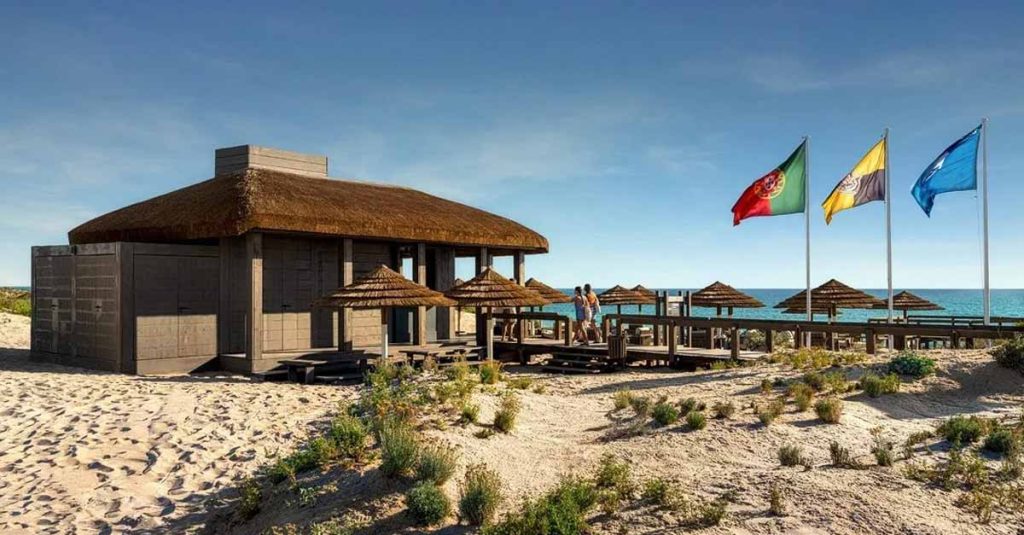
JNCQUOI Beach Club in Portugal
Fire Retardant Treatments
Let’s address the elephant in the room—fire risk. One of the biggest myths about thatched roofs is that they’re dangerously flammable. While that may have been true centuries ago, today’s thatched roofs are often treated with advanced fire retardant technologies that make them significantly safer than most people assume.
At Cape Reed, specialized fire retardant treatments are applied to the thatching material before installation. These treatments don’t just sit on the surface—they penetrate deep into the fibers of the reeds, making the entire roof more resistant to catching and spreading flames.
Cape Reed Fireshield Application
Why Choose Cape Reed for Your Thatched Roof
When it comes to thatched roofing, not all thatchers are created equal. Choosing the right professional for the job can be the difference between a roof that deteriorates in a few years and one that lasts for decades. This is where Cape Reed stands out in the global market.
Cape Reed isn’t just a roofing company; it’s a name synonymous with expertise, sustainability, and craftsmanship. With years of experience in designing and installing thatched structures worldwide, Cape Reed brings a combination of traditional knowledge and cutting-edge techniques to every project. Whether you’re constructing a new luxury villa, a beach resort, thatched gazebo or refurbishing a charming countryside home, Cape Reed ensures that every detail is handled with precision and care.
What sets Cape Reed apart is its commitment to sustainability. By using responsibly sourced Cape Reed material from managed plantations, the company ensures that your roofing choice benefits both your property and the planet. Plus, with integrated fire-retardant treatments, waterproofing solutions, and customizable designs, you can trust that you’re investing in the best that the industry has to offer.
Conclusion
Choosing a thatched roof is more than just selecting a roofing material—it’s making a lifestyle statement. It’s about embracing sustainable living, adding aesthetic charm to your property, and investing in craftsmanship that’s as beautiful as it is practical.
Thatched roofs deliver a perfect mix of old-world elegance and modern innovation. They’re environmentally friendly, naturally insulating, and designed to withstand the test of time. Whether you’re building your dream home, upgrading your business premises, or looking to add unique character to your outdoor spaces, thatching provides a timeless, sophisticated option.
With experts like Cape Reed guiding you through the process, you can be confident that you’re not only adding a beautiful feature to your property but also making a sustainable choice for future generations. So, if you’re ready to elevate your living or commercial space with unparalleled style and eco-conscious construction, it might just be time to embrace the world of thatched roofing. Contact our team today!
FAQs About Thatched Roofs
How long does a thatched roof last?
With proper care and maintenance, a thatched roof can last between 20 to 40 years, depending on the materials used and the local climate.
Is a thatched roof suitable for colder climates?
Absolutely. Thatched roofs are excellent insulators, keeping interiors warm during winter and cool during summer. They are used in both tropical resorts and cold-weather cottages across Europe.
Can I have a chimney with a thatched roof?
Definitely. Thatched roofs can incorporate chimneys safely. With professional installation, chimney designs include spark arrestors and fire retardant barriers to ensure safety and functionality.
Are thatched roofs waterproof?
Absolutely. When installed professionally, thatched roofs are fully waterproof. The thick layering of reeds or straw allows water to run off easily, keeping interiors dry.
Imagine stepping into your outdoor space and feeling like you’ve entered a luxury resort. Whether it’s a beautifully thatched gazebo, a wooden pergola, or elegant timber decking, Cape Reed in Spain transforms outdoor areas into stunning, functional retreats. But why choose Cape Reed? What makes us the go-to experts for outdoor living solutions? Let’s dive in!
About Cape Reed Spain
Cape Reed isn’t just another outdoor construction company. We’re specialists in crafting natural, sustainable outdoor structures that blend seamlessly with Spain’s Mediterranean charm. Whether in Marbella’s luxury villas or cozy coastal homes, our signature style stands out.
Traditional Cape Reed craftsmanship creating a serene garden sanctuary in Spain.
Our Range of Services
From traditional thatched gazebos to modern timber decking, Cape Reed offers a comprehensive suite of services designed to elevate outdoor living spaces:
Thatching: A Timeless Art
Thatching isn’t just about roofing—it’s about creating ambiance. Our expert thatchers use natural materials to deliver roofs that are not only beautiful but also energy-efficient, keeping spaces cool in the summer and warm in the winter.
Thatched Gazebos: Elegance Outdoors
A thatched gazebo isn’t just a structure; it’s a sanctuary. Perfect for garden retreats, poolside lounges, or outdoor dining, Cape Reed’s gazebos add rustic charm with modern durability.
Pergolas: Redefining Outdoor Living
Looking for shade without losing the sun’s warmth? Our custom wooden pergolas strike the perfect balance. Whether freestanding or attached, they provide stylish shelter, enhancing patios, gardens, and terraces.
Timber Construction: Strength Meets Style
Our timber constructions are not just sturdy—they’re architectural statements. From bespoke garden rooms to expansive outdoor pavilions, we combine durability with design excellence.
Decking: The Foundation of Luxury Outdoors
Decking isn’t just a surface; it’s the stage for your outdoor lifestyle. Cape Reed’s timber decking is designed for both beauty and resilience, perfect for terraces, pool areas, or private docks.
Balustrades: Safety with Sophistication
Why choose between safety and style when you can have both? Our timber balustrades offer secure, aesthetically pleasing boundaries for decks, balconies, and staircases.
Thatch Tiles: Beauty with Durability
For those who love the look of thatch but prefer a tile format, our thatch tiles offer the perfect solution. Durable, eco-friendly, and stunning, they bring traditional charm with modern practicality.
Outdoor kitchen with a built-in grill under a Cape Reed thatched roof in Elviria
Why Choose Cape Reed?
Choosing Cape Reed isn’t just about getting a structure; it’s about investing in quality, sustainability, and peace of mind. Here’s what sets us apart:
Bilingual Expertise: Seamless Communication
Navigating projects in a foreign language can be daunting. That’s why our team is fluent in both English and Spanish, ensuring clear communication from start to finish.
Prompt Responses: Always Here for You
Tired of businesses that take days to reply? Not us. Cape Reed guarantees a call-back within 24 hours—because your time matters.
Year-Round Service: No Siestas Here!
Unlike many businesses in Spain, we don’t disappear during summer or take extended breaks. Cape Reed is here, all year round, ready to support your projects whenever you need us.
Craftsmanship: Where Tradition Meets Innovation
With years of experience, our craftsmanship speaks for itself. Whether it’s a modern minimalist pergola or a traditional thatched roof, we blend time-honored techniques with contemporary design.
Comprehensive Solutions: From Design to Maintenance
We’re not just builders—we’re partners in your outdoor vision. From initial consultations to final touches and ongoing maintenance, Cape Reed handles it all.
Cape Reed thatched gazebo with a whitewash finish.
Customer Testimonials
Just had three thatched roofs done on a project in Ibiza. They look amazing! From the very start the Cape Reed team were very efficient and totally professional to deal with. Very helpful when dealing with technical details and contract enquires.
Tony Brooks Ibiza
Best service ever. Very nice work
Kim TorremansEstepona
Professional, courteous, and clean workers,. Really pleased with the repair work done on my gazebo (replace cement cap and trim thatching), I would definitely recommend Cape Reed.
Von BMarbella
Conclusion
Cape Reed isn’t just about building outdoor structures—we create spaces where memories are made. From traditional thatched gazebos to modern timber decks, our passion for craftsmanship, attention to detail, and commitment to customer satisfaction shine through in every project. Ready to elevate your outdoor space? Let’s bring your vision to life with Cape Reed in Spain.
JNCQUOI Beach Club
FAQs
Is thatching suitable for Spain’s Mediterranean climate?
Absolutely! Thatching offers excellent insulation, keeping spaces cool in summer and warm in winter.
Can Cape Reed handle both small residential projects and large commercial builds?
Yes, we work on projects of all sizes—from cozy garden gazebos to expansive commercial resorts.
Does Cape Reed provide maintenance services?
Yes, we offer comprehensive maintenance to keep your structures in top condition for years to come.
¿Quiere proteger a su gente y propiedad con Fireshield?
Déjenos sus datos y uno de nuestros expertos en Fireshield se pondrá en contacto con usted para hablar sobre sus necesidades específicas.
Contact Us
Download Our Brochure
Download Our Thatch Tiles Brochure
Descarga Nuestro Folleto
Contacto
[
You can see how this popup was set up in our step-by-step guide: https://wppopupmaker.com/guides/auto-opening-announcement-popups/