Posts Tagged ‘pergolas de junco africano’

Por qué las pérgolas de junco africano son la solución perfecta de sombra en climas cálidos

En climas cálidos, la vida al aire libre consiste en encontrar el equilibrio adecuado entre confort, funcionalidad y estilo. Aunque existen muchas soluciones de sombra, pocas ofrecen un rendimiento tan eficaz, ni una estética tan atractiva como una pérgola de madera cubierta de junco africano.

A continuación, te explicamos por qué los cenadores y pérgolas de junco africano siguen siendo una de las mejores soluciones de sombra natural en climas cálidos en todo el mundo.

1. Aislamiento natural que mantiene el frescor

Las cubiertas de junco africano están hechas de materiales naturales que proporcionan un excelente aislamiento. A diferencia de los techos metálicos o sintéticos, el junco africano no retiene el calor. En su lugar, permite la circulación natural del aire, manteniendo el espacio debajo notablemente más fresco, incluso en las horas de mayor calor.

Thatched roofs at Gran Melia Don Pepe
Techos de paja en el hotel Gran Meliá Don Pepe

2. Regulación superior de la temperatura

Gracias a su grosor y estructura transpirable, el junco africano regula la temperatura mucho mejor que muchos materiales modernos. Esto hace que un cenador o una pérgola de junco africano sea cómodo durante todo el día, desde las tardes más calurosas hasta las noches más frescas.

Outdoor family time under a thatched roof gazebo!
Tiempo en familia al aire libre bajo un cenador de paja

3. Ideal para la vida exterior en zonas soleadas

En regiones con sol intenso y veranos largos, la sombra no es opcional, es esencial. Un cenador o una pérgola de junco africano proporciona una cobertura amplia y fiable, permitiéndote disfrutar del exterior sin sentirte encerrado.

Cape Reed thatched gazebo outdoor entertainment area in Sotogrande
Cenador de paja Cape Reed en área exterior de entretenimiento en Sotogrande

4. Una opción sostenible y ecológica

El junco africano es un material natural, renovable y con bajo impacto ambiental. Elegir un cenador o una pérgola de junco africano contribuye a prácticas de construcción sostenibles y reduce la dependencia de materiales que requieren un alto consumo energético.

Cape Reed thatched gazebo interior
Interior de un cenador de paja Cape Reed

5. Diseñado para el confort y la durabilidad

Cuando se instala correctamente y se mantiene de forma adecuada, un tejado de junco africano es altamente resistente y duradero. Con los tratamientos y cuidados adecuados, ofrece un excelente rendimiento tanto en entornos residenciales como comerciales.
Outdoor kitchen with a built-in grill under a Cape Reed thatched roof in Elviria
Cocina exterior con parrilla integrada bajo un techo de paja Cape Reed en Elviria

6. Opciones mejoradas de seguridad contra incendios

Los cenadores y las pérgolas de junco africano modernos pueden tratarse con soluciones ignífugas avanzadas, como Cape Reed Fireshield. Esto mejora significativamente la resistencia al fuego sin comprometer el aspecto natural del junco africano.
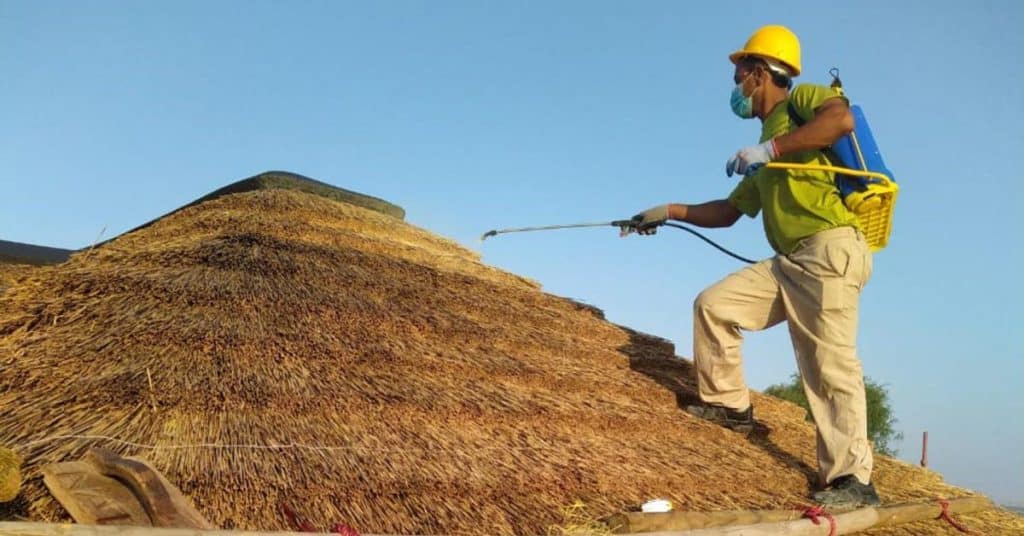
Cape Reed Fireshield Application
Aplicación de Cape Reed Fireshield sobre estructura de madera o paja

7. Integración perfecta en diseños de lujo

Más allá de su funcionalidad, los cenadores y las pérgolas de junco africano aportan calidez, textura y carácter a cualquier espacio exterior. Combinan a la perfección con suelos de madera, acabados en piedra y paisajismo natural, lo que los convierte en una opción muy valorada en viviendas de alto nivel, resorts y proyectos hoteleros.

Traditional Cape Reed craftsmanship creating a serene garden sanctuary in Spain.
Artesanía tradicional de Cape Reed creando un tranquilo refugio de jardín en España

La forma más inteligente de crear sombra en tu espacio exterior

Si buscas una solución de sombra que funcione perfectamente en climas cálidos y, al mismo tiempo, eleve tu estilo de vida al aire libre, un cenador o una pérgola de junco africano es difícil de superar. Es una estructura natural, sostenible y atemporal, diseñada para el confort.

👉 Ponte en contacto con Cape Reed hoy mismo para descubrir soluciones de cenadores y pérgolas de junco africano a medida, adaptadas a tu clima y estilo de vida.

Why Thatching is Popular in Spain’s Mediterranean Climate

Thatching has long been a cherished architectural technique in Spain, blending seamlessly with the country’s Mediterranean charm. The use of natural materials, such as reeds and timber, not only reflects Spain’s cultural heritage but also caters perfectly to the climate’s demands. Whether it’s for a rustic chiringuito on the coast or a luxurious pergola in a high-end villa, thatching has become a preferred choice for both residential and commercial projects.

Enter Cape Reed, a leader in crafting bespoke thatched structures. With an office strategically located in Málaga, Cape Reed services projects across Europe, creating stunning outdoor spaces that combine aesthetics, functionality, and sustainability. Let’s explore why thatching is so popular in Spain and why Cape Reed is the trusted partner for these projects.

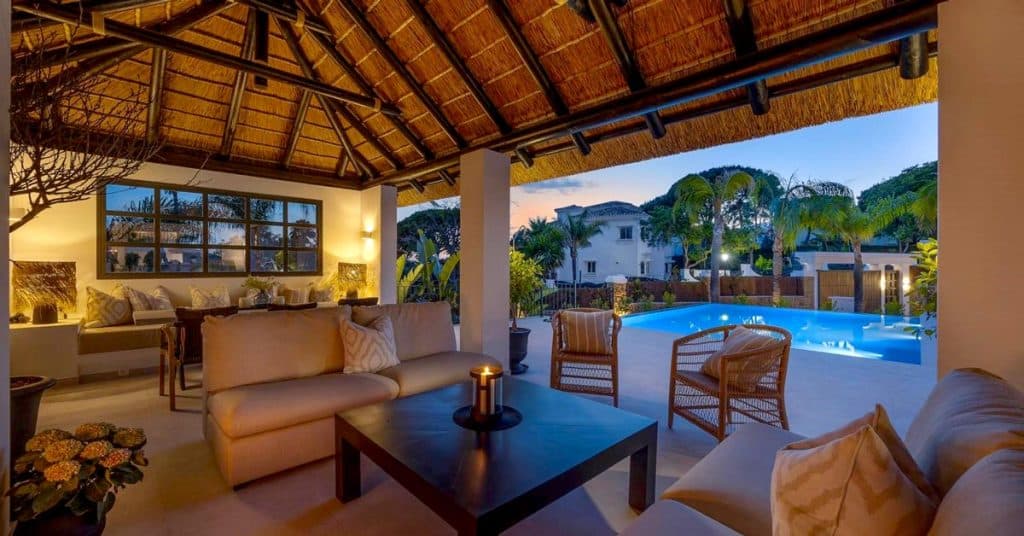
This beautifully crafted thatched gazebo highlights Cape Reed’s expertise in blending tradition and modernity, perfect for luxury outdoor living in Spain.
A stunning thatched gazebo adds charm and elegance to this Mediterranean villa.

The Popularity of Thatching in Spain’s Mediterranean Climate

Climate Benefits of Thatching in Mediterranean Areas

The Mediterranean climate, characterized by hot summers and mild winters, demands materials that provide insulation and regulate indoor temperatures. Thatching excels here, offering natural thermal properties that keep structures cooler in summer and warmer during cooler months. The durability of thatching also withstands the occasional strong coastal winds and heavy rains, making it ideal for regions like Málaga and beyond.

Lifestyle Appeal of Thatched Structures

Beyond practicality, thatched roofs exude a unique charm. They are often associated with luxury, relaxation, and natural beauty, making them the go-to choice for creating tranquil outdoor spaces. Resorts, villas, and restaurants use thatching to craft unforgettable experiences for guests, blending sustainability with elegance.

Elegantly thatched gazebo in a Mediterranean villa surrounded by lush greenery.

Why Cape Reed is the Preferred Choice for Thatching

Superior Quality of Cape Reed Thatching Materials

Cape Reed sources its materials responsibly, offering top-notch quality. The reed and timber used in their projects are not only sustainable but also exceptionally durable. The use of Junco Africano, a popular African reed, ensures longevity and an appealing Mediterranean aesthetic.

Expertise and Versatility of Cape Reed

Cape Reed’s team brings decades of expertise to every project, whether it’s a private gazebo or a large-scale commercial resort. Their designs are fully customizable, allowing clients to achieve their vision while enjoying functional, weather-resistant structures.

Proven Performance in the European Market

With a dedicated office in Málaga, Cape Reed offers localized services tailored to European standards. Their extensive experience across countries has made them a household name in the industry, trusted by luxury developers and homeowners alike.

Tucked beneath the natural shade of a Cape Reed thatched roof, this fully equipped outdoor kitchen is the ultimate entertaining hub.

Applications of Thatching in Spain by Cape Reed

Chiringuitos and Thatched Gazebos

Chiringuitos, the iconic beach bars dotting Spain’s coastline, are synonymous with thatched roofs. These structures create inviting spaces for relaxation while seamlessly integrating into the natural surroundings. Similarly, thatched gazebos are a staple in residential properties, adding a cozy retreat for homeowners.

Junco Africano and Pergolas de Junco Africano

Junco Africano, prized for its strength and aesthetic appeal, is a favorite material for pergolas and roofing in Mediterranean designs. Cape Reed specializes in creating Pergolas de Junco Africano, offering both beauty and durability that withstand Spain’s sunny climate.

Luxury Outdoor Living Spaces

Cape Reed elevates outdoor living spaces by crafting bespoke thatched structures for high-end resorts, luxury villas, and even private gardens. These spaces are designed to enhance leisure, offering both shade and style in equal measure.

The natural beauty of a thatched roof chiringuito crafted by Cape Reed, creating a relaxed yet stylish atmosphere by the sea.
Iconic chiringuitos with thatched roofs: a hallmark of Spain’s Mediterranean allure.

Sustainability and Environmental Benefits of Thatching

Environmental Advantages of Using Natural Materials

In today’s eco-conscious world, Cape Reed’s use of natural and biodegradable materials is a significant advantage. By reducing reliance on synthetic resources, they promote sustainability and contribute to greener architectural practices.

Energy Efficiency of Thatched Structures

Thatched roofs are naturally insulating, reducing the need for air conditioning during the hot summer months. This translates to lower energy consumption, making thatched structures both cost-effective and environmentally friendly.

Cape Reed transforms outdoor spaces into sustainable luxury retreats, combining aesthetic appeal and environmental responsibility.

Why Choose Cape Reed for European Thatching Projects

End-to-End Services

Cape Reed handles every aspect of a project, from consultation and design to construction and maintenance. This streamlined approach ensures that every structure is crafted with precision and care.

Commitment to Quality and Excellence

Whether it’s a small residential gazebo or a sprawling resort installation, Cape Reed adheres to the highest quality standards. Their focus on excellence and customer satisfaction sets them apart in the European market.

This beautifully crafted thatched gazebo highlights Cape Reed’s expertise in blending tradition and modernity, perfect for luxury outdoor living in Spain.
A stunning thatched gazebo adds charm and elegance to this Mediterranean villa.

Conclusion

Thatching in Spain is more than just a roofing technique—it’s a celebration of tradition, sustainability, and luxury. With its natural charm and practical benefits, it’s no wonder that more businesses and homeowners are choosing this timeless approach. For those looking to invest in premium thatching, Cape Reed stands out as the ultimate partner, offering exceptional craftsmanship and eco-friendly solutions across Europe.

FAQs

Why is Cape Reed an eco-friendly choice for thatching?

Cape Reed uses sustainable and biodegradable materials, promoting environmentally friendly construction practices.

Can Cape Reed handle both commercial and residential projects?

Yes, Cape Reed specializes in both high-end commercial projects and local residential installations, offering tailored solutions for each.

What are Junco Africano and Pergolas de Junco Africano?

Junco Africano is a durable African reed used in roofing and pergolas, providing strength and Mediterranean charm. Pergolas de Junco Africano are popular for outdoor spaces.