Thatched roofing has long been associated with natural beauty, warmth, and relaxed outdoor living. From beachside restaurants to luxury resorts, the aesthetic remains as desirable as ever.
But today’s projects demand more than just appearance — they require efficiency, durability, and scalability.
This is where the conversation shifts to thatch tiles vs traditional thatching.
Introducing Thatch Tiles
Thatch tiles represent the next generation of thatching — combining the natural look of traditional materials with engineered precision.
They are designed specifically for:
Modern construction methods
Faster project delivery
Consistent, high-end results
This makes them the preferred choice for both residential and commercial applications across Spain and Europe.
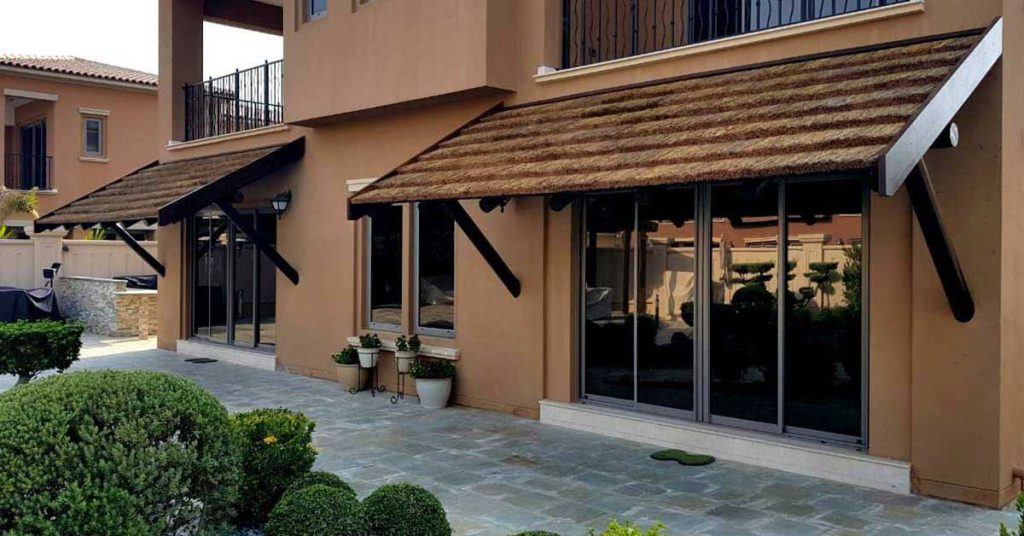
Cape Reed thatch tiles awning
Key Advantages of Thatch Tiles
Speed of Installation Pre-manufactured tiles significantly reduce installation time compared to traditional thatching.
Consistency in Finish Every tile delivers a uniform appearance, ensuring a polished and professional result.
Lower Maintenance Designed for durability, thatch tiles require less ongoing maintenance.
Scalability Perfect for large projects such as resorts, hotels, and restaurant chains.
Safety and Performance Considerations
Modern outdoor structures must meet higher safety standards — especially in regions prone to heat and fire risk.
Thatch tiles can be treated with fire-retardant solutions such as Cape Reed Fireshield, providing an added layer of protection and peace of mind.
Luxury resort outdoor space with thatch tile roofing offering durable and consistent finish
Where Thatch Tiles Truly Excel
Thatch tiles are ideal for:
Hospitality developments and luxury resorts
Outdoor dining and entertainment areas
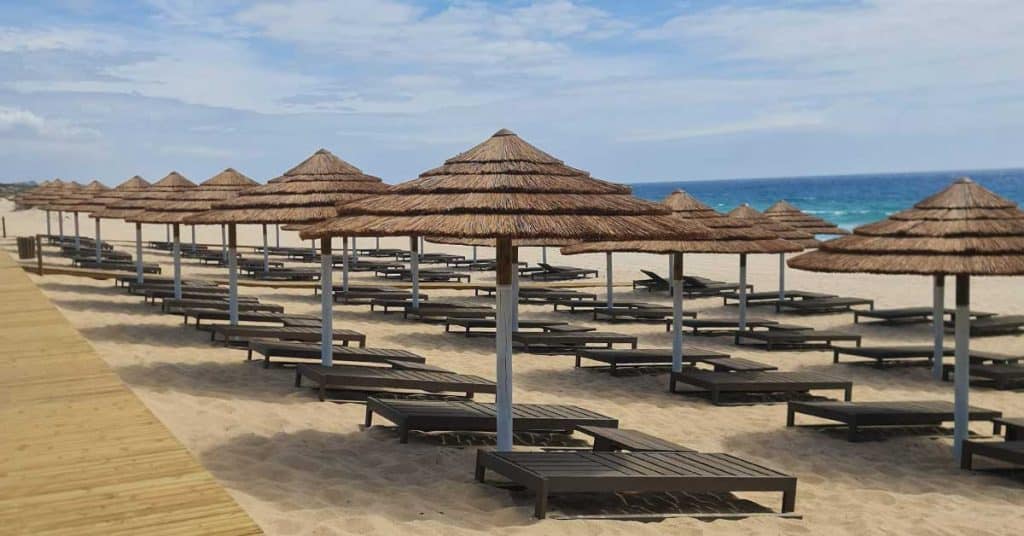
Pergolas, gazebos, and umbrellas
Renovation projects requiring quick turnaround
They offer the perfect balance between traditional charm and modern performance.
A Trusted Solution for Global Projects
Cape Reed has delivered thatch solutions across Europe, the Middle East, and beyond — trusted by leading developers, architects, and hospitality brands.
Choosing thatch tiles means choosing a solution that is:
Spain’s summers are known for their beauty — long sunny days, vibrant outdoor living, and thriving hospitality venues. But alongside this comes a growing and very real concern: fire risk.
With rising temperatures, dry conditions, and increased use of outdoor spaces, properties across Spain — especially in regions like the Costa del Sol — face heightened vulnerability during the summer months.
For businesses and homeowners alike, fire protection is no longer optional — it’s essential.
Understanding the Fire Risk in Outdoor Structures
Outdoor environments often include natural and timber-based materials such as:
Thatched roofs
Wooden pergolas
Timber decking and structures
Shaded outdoor dining areas
While these materials create beautiful and functional spaces, they can also become high-risk elements if left untreated.
Without proper fire protection, a single spark can escalate rapidly — putting people, property, and businesses at risk.
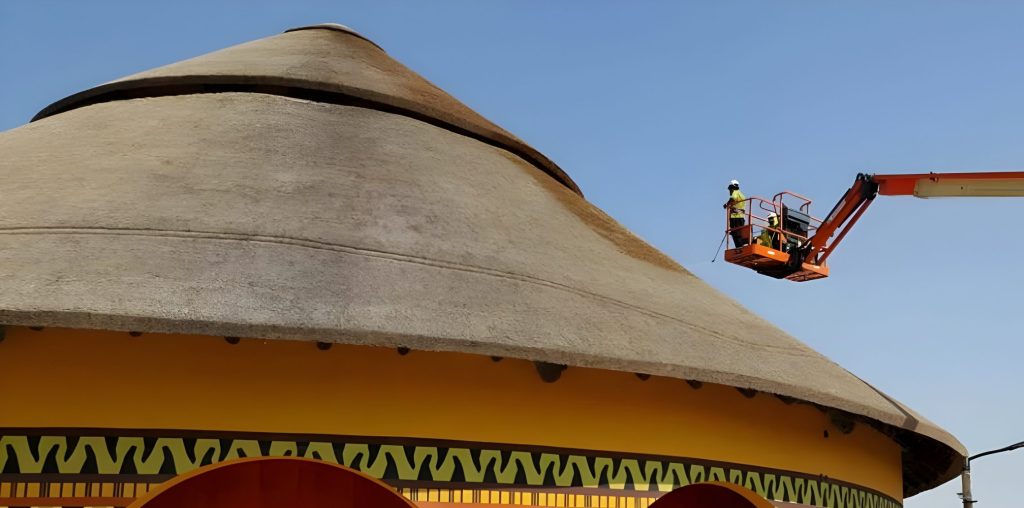
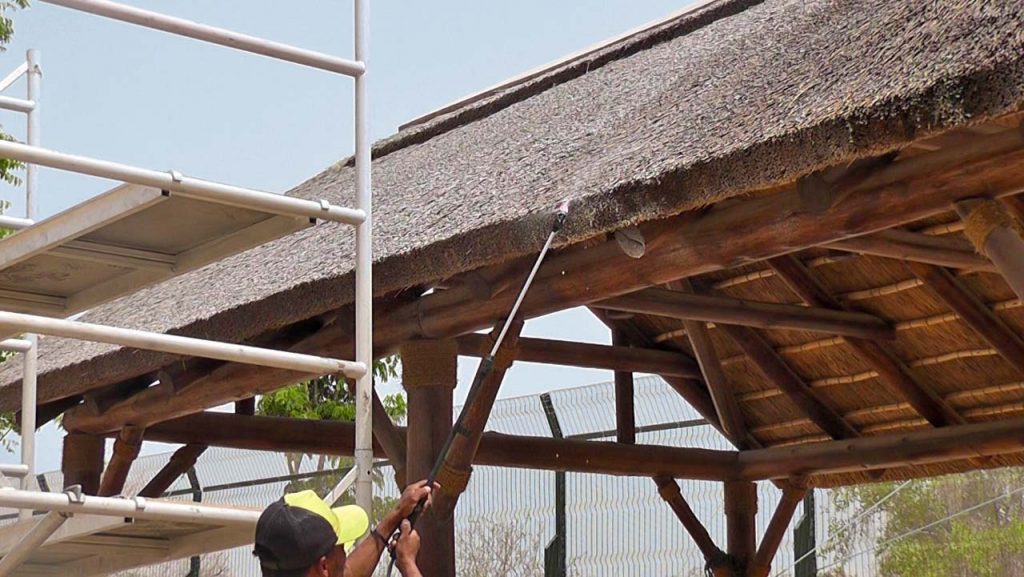
Application of Cape Reed Fireshield fire-retardant treatment on timber and thatch roofing
What Is Cape Reed Fireshield?
Cape Reed Fireshield is a specially developed fire-retardant treatment designed to significantly reduce the risk of ignition and slow the spread of fire in natural and timber structures.
It has been trusted across:
Luxury resorts
Beach clubs and restaurants
Commercial developments
Private villas
This makes it one of the most effective solutions for fire protection in Spain’s outdoor environments.
A wooden pergola is no longer a luxury extra in Spain or Portugal. Instead, it has become an essential architectural feature. With over 300 days of sunshine in many parts of southern Europe, outdoor spaces are used daily. That means shade, comfort, and durability matter.
In regions such as Andalucía, the Algarve, and the Costa del Sol, the climate is warm, dry, and often intense. Therefore, homeowners need structures that can handle heat, UV exposure, and occasional coastal humidity.
Climate Advantages in Spain & Portugal
Southern Europe offers stunning outdoor living conditions. However, direct sun can make patios and balconies uncomfortable without proper cover. A wooden pergola provides:
Natural shade
Temperature control
Air circulation
UV protection
Visual warmth
Unlike metal, timber doesn’t overheat. As a result, the space underneath remains noticeably cooler. Moreover, timber breathes. It works with nature instead of fighting it.
Why Timber Outperforms Steel & Aluminium
Many developers ask: why choose timber instead of aluminium? The answer is simple — performance and atmosphere.
Steel and aluminium may look modern. However, they lack warmth. More importantly, they absorb heat. In Mediterranean summers, that becomes uncomfortable.
Timber, on the other hand:
Stays cooler
Ages beautifully
Offers superior structural depth
Provides architectural character
In fact, wood has been used for centuries in European construction. It’s trusted, tested, and proven. Here are 5 ways to use your wooden pergola…
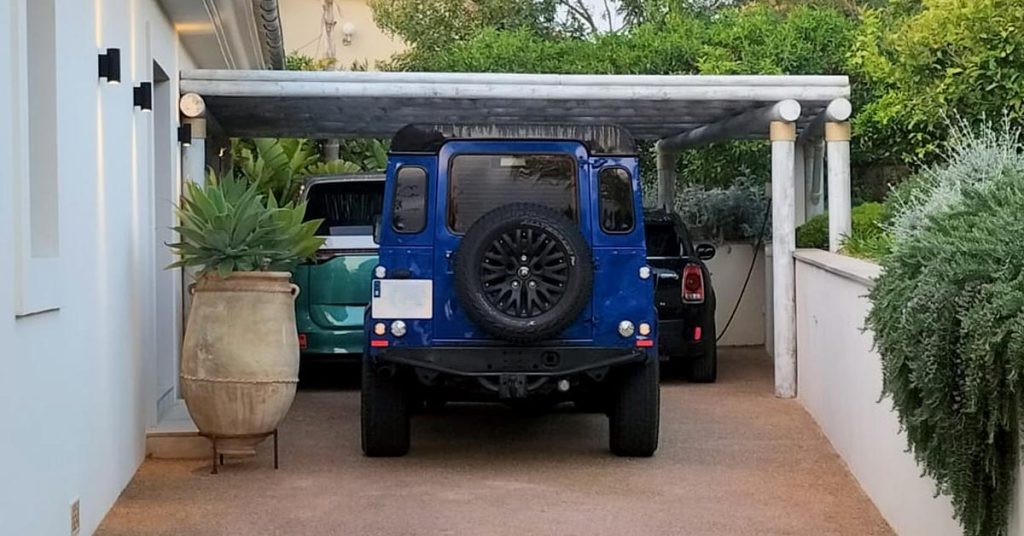
Wooden Pergola Carports
In Spain and Portugal, carports are extremely popular. Why? Because the sun is relentless.
A wooden pergola carport protects vehicles from:
UV damage
Paint fading
Interior overheating
Tree debris
More importantly, it increases property value. Instead of building a closed garage, many homeowners prefer an open timber pergola. It looks lighter. It feels Mediterranean.
Timber pergola carport shading three vehicles at a villa.
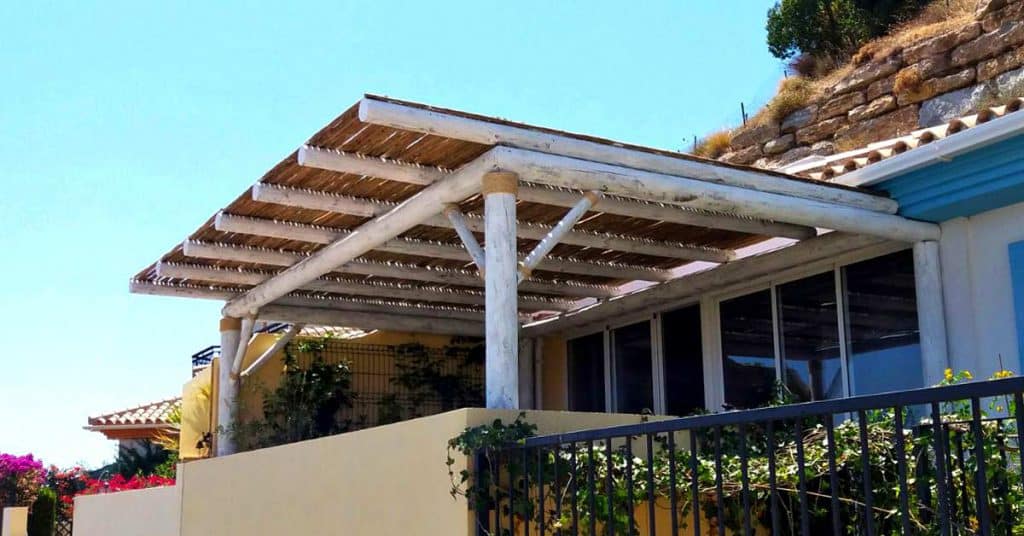
Balcony Pergolas
Urban living in cities like Málaga, Lisbon, and Marbella often means compact balconies. However, even small spaces can benefit from a wooden pergola.
Creating Shade in Compact Spaces
A balcony pergola provides:
Filtered shade
Privacy
Plant support
Defined outdoor space
Privacy & Aesthetic Value
Balcony pergolas can include:
Slatted timber panels
Climbing plants
Fabric covers
As a result, residents enjoy a private retreat in busy urban areas.
Compact wooden pergola installed on a Spanish apartment balcony creating shaded seating area
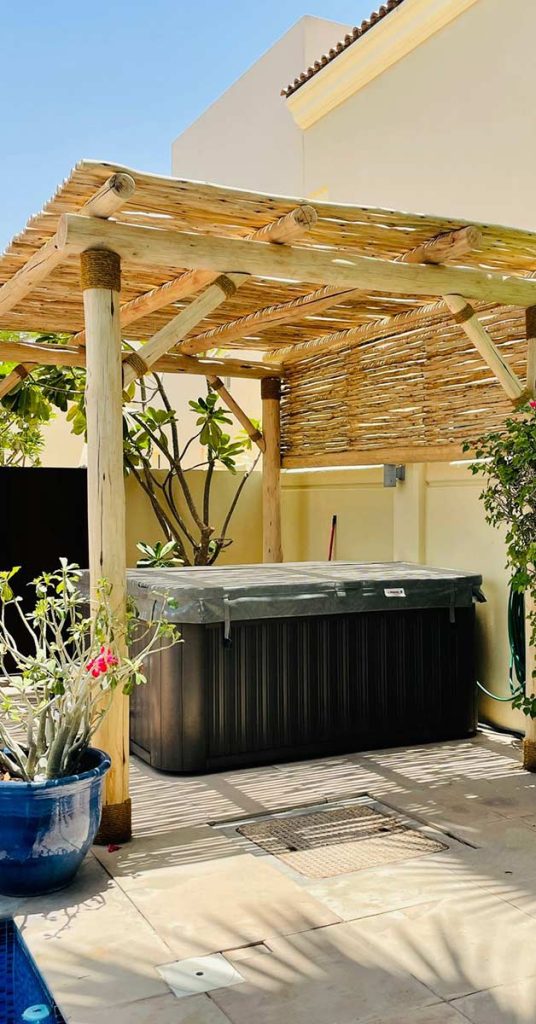
Pergolas for Outdoor Jacuzzis
An outdoor jacuzzi without cover loses its magic quickly. Wind. Sun. Exposure. A wooden pergola solves that.
Climate Protection & Comfort
Jacuzzi pergolas:
Provide shade
Reduce debris
Enhance privacy
Improve year-round usability
Timber pergola covering an outdoor jacuzzi in Dubai.
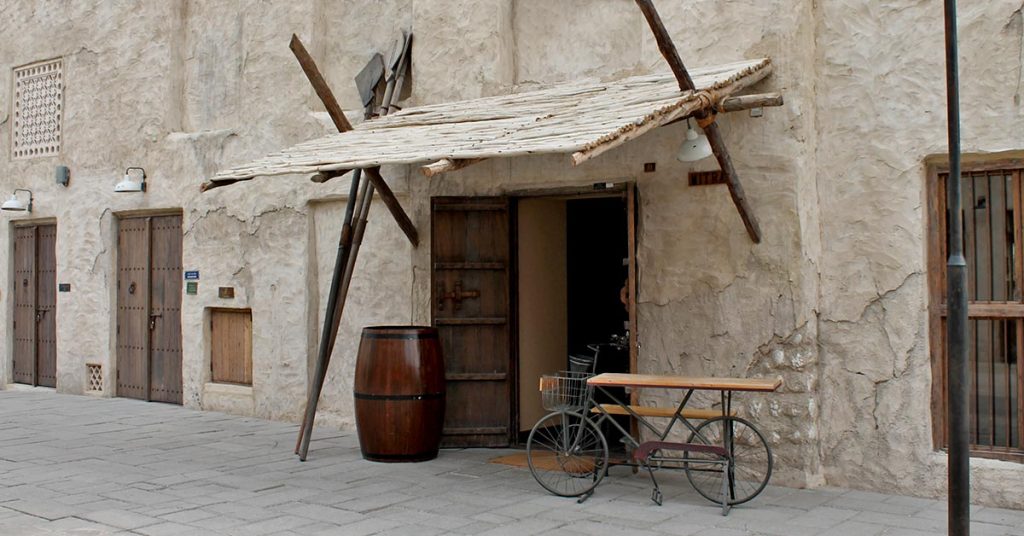
Timber Pergola Awnings
A timber awning extends your living room outdoors.
Extending Living Areas
Pergola awnings over terraces create:
Outdoor dining rooms
Lounge zones
Family gathering areas
Wooden pergola awning creating a shaded area.
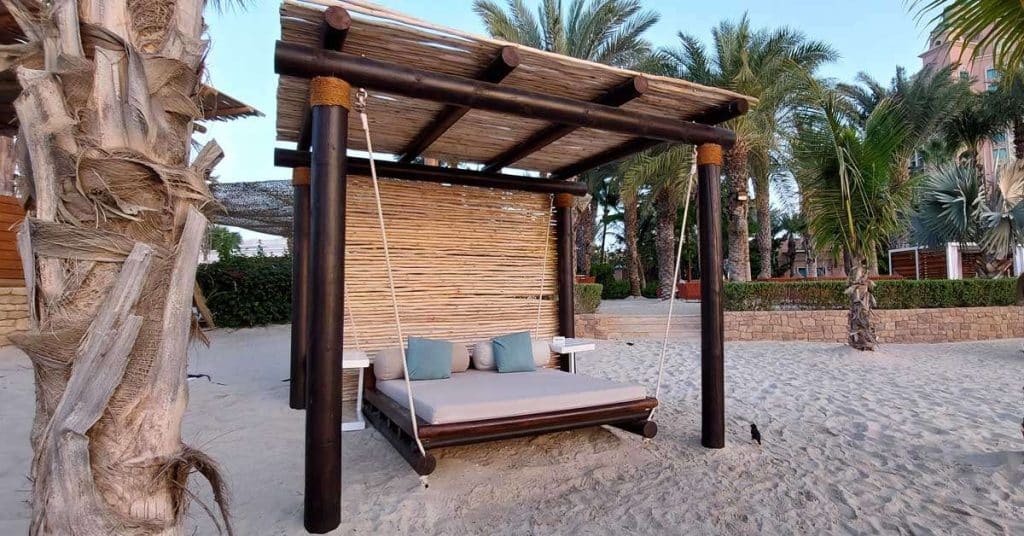
Pergola Daybeds
Sometimes, luxury is simple.
A pergola daybed becomes the ultimate relaxation zone.
Lifestyle & Relaxation Benefits
Under a wooden pergola daybed:
You read
You nap
You unwind
It’s not complicated.
It’s powerful.
Relaxation Elevated – Experience the Ultimate Comfort on the Cape Reed Swinging Daybed at Atlantis, Dubai.
Final Thoughts: Built for Moments That Matter
A wooden pergola in Spain or Portugal isn’t just an architectural addition.
It’s a lifestyle upgrade.
From carports to jacuzzis, from balconies to daybeds, timber transforms outdoor spaces into usable, comfortable, and beautiful environments.
It protects. It enhances. It elevates.
Most importantly, it creates spaces where life happens. Outdoor living in southern Europe isn’t seasonal.
It’s daily.
And the right wooden pergola ensures you enjoy every moment.
Frequently Asked Questions
How long does a wooden pergola last in Spain?
With proper treatment, a wooden pergola can last 20–30 years or more.
Is laminated timber stronger than solid timber?
Yes. Laminated timber offers higher structural stability for large spans.
Do wooden pergolas require maintenance?
Yes. However, maintenance is minimal when treated correctly.
Choosing the right timber for outdoor structures can feel overwhelming. However, the decision becomes clearer when you compare engineered laminated timber vs solid timber side by side. In Spain’s warm Mediterranean climate, pergolas must handle sun, heat, salt air near the coast, and sudden rain. Because of that, material choice directly affects how long your structure lasts and how it looks over time.
Engineered timber vs solid timber is not just a technical debate. Instead, it’s about lifestyle, sustainability, and long-term value. Homeowners in places like Estepona and Benahavís often want pergolas that combine beauty with strength. Meanwhile, luxury resorts and villas demand materials that age well and stay structurally sound.
In short, this guide helps you make a confident choice. We’ll break down performance, durability, cost, and design—without jargon and with practical examples.
What Is Engineered Laminated Timber?
Engineered timber is created by bonding multiple layers of wood together using high-strength adhesives. This process forms beams that are stronger and more stable than single solid pieces.
How Engineered Laminated Timber Is Manufactured
The wood layers are dried, aligned with the grain, and glued under pressure. As a result, weaknesses are minimized, and strength is spread evenly across the beam. Therefore, large spans and elegant designs become possible.
Common Types of Laminated Timber Used in Pergolas
Laminated pine
Premium hardwood laminates (such as iroko laminates)
Glulam beams
This makes engineered laminated timber a go-to choice for modern pergola structures across Spain.
Outdoor pergola built with laminated timber providing shade and durability in Spanish climate at Laguna Beach.
What Is Solid Timber?
Solid timber is cut directly from a tree and shaped into beams or posts. It has been used in construction for centuries and still carries timeless appeal.
How Solid Timber Is Sourced and Prepared
After harvesting, timber is dried (air-dried or kiln-dried) before being shaped. However, natural imperfections remain. This gives solid timber its charm—but also its challenges.
Common Solid Timber Species Used Outdoors
Pine
Eucalyptus
Iroko
Solid timber suits rustic or traditional designs. Yet, it may need more care over time.
Solid timber pergola with a whitewash finish a in Mediterranean setting
Structural Strength and Load-Bearing Capacity
When comparing engineered timber vs solid timber, strength is a key difference. Laminated timber is engineered to carry heavy loads without bending. That’s why large-span pergolas often rely on laminated beams.
Solid timber is strong too. However, its strength can vary depending on knots and grain patterns. Over time, stress points may appear, especially in outdoor environments.
In practice: Laminated timber offers predictable strength. Solid timber offers natural strength with some variability.
Resistance to Warping, Cracking, and Shrinkage
One of the biggest advantages of engineered laminated timber vs solid timber is stability. Laminated beams are less likely to warp or crack because opposing wood grains balance each other out.
Solid timber, on the other hand, can twist or split as it dries and ages. While some people love this “character,” others prefer clean, modern lines that stay true over time.
Benahavis Hills Square Timber Pergola with outdoor seating
Design Flexibility and Aesthetic Appeal
Engineered laminated timber allows longer spans and sleeker profiles. This supports contemporary pergola designs often seen in luxury villas.
Solid timber shines in traditional aesthetics. It offers warmth and visible grain patterns that feel organic and timeless.
So, the choice depends on your design vision: modern elegance or rustic charm.
Maintenance Requirements Over Time
Engineered timber requires less ongoing adjustment. Regular sealing and cleaning are usually enough.
Solid timber may need more frequent treatment. Oils, stains, and sealants help prevent cracking and discoloration. Therefore, long-term maintenance costs can be higher with solid timber.
Fire Performance and Safety Considerations
Laminated timber can be treated with fire-retardant solutions. This improves safety without sacrificing appearance. Solid timber can also be treated, although performance varies by species.
For hospitality projects and public spaces, fire performance is a critical factor in choosing materials.
JNCQUOI Beach Club with solid wood beams interior.
Conclusion
When weighing engineered laminated timber vs solid timber, the right answer depends on what you value most: modern performance or traditional charm. Laminated timber offers strength, stability, and efficiency. Solid timber brings warmth and heritage. Either way, a well-designed pergola enhances outdoor living and adds lasting value to your home.
FAQs
Is engineered laminated timber stronger than solid timber?
Yes, it offers more consistent strength due to engineered layering.
Is solid timber more natural-looking?
Yes. Solid timber shows natural grain and character.
Can both be used for pergolas in Spain?
Absolutely. The best choice depends on design and long-term goals.
In hot climates, outdoor living is all about finding the right balance between comfort, functionality, and style. While many shade solutions exist, few perform as effectively — or look as beautiful — as a thatched gazebo.
Here’s why thatched gazebos remain one of the best natural shade solutions for hot climates around the world.
1. Natural Insulation That Keeps You Cool
Thatched roofs are made from natural materials that provide excellent insulation. Unlike metal or synthetic roofing, thatch does not trap heat. Instead, it allows air to circulate naturally, keeping the space beneath noticeably cooler — even during peak summer temperatures.
Thatched roofs at Gran Melia Don Pepe
2. Superior Temperature Regulation
Thanks to its thickness and breathable structure, thatch regulates temperature far better than many modern materials. This makes a thatched gazebo comfortable throughout the day, from hot afternoons to cooler evenings.
Outdoor family time under a thatched roof gazebo!
3. Ideal for Outdoor Living in Sunny Regions
In regions with intense sun and long summers, shade isn’t optional — it’s essential. A thatched gazebo provides generous, reliable cover while still allowing you to enjoy the outdoors without feeling boxed in.
Cape Reed thatched gazebo outdoor entertainment area in Sotogrande
4. A Sustainable and Eco‑Friendly Choice
Thatch is a renewable, natural material with a low environmental impact. Choosing a thatched gazebo supports sustainable building practices while reducing reliance on energy‑intensive materials.
Cape Reed thatched gazebo in a boho style
5. Built for Comfort and Longevity
When expertly installed and properly maintained, a thatched roof is highly durable and weather‑resistant. With the right treatments and care, it offers long‑term performance in both residential and commercial settings.
Outdoor kitchen with a built-in grill under a Cape Reed thatched roof in Elviria
6. Enhanced Fire Safety Options
Modern thatched gazebos can be treated with advanced fire‑retardant solutions such as Cape Reed Fireshield. This significantly improves fire resistance while maintaining the authentic look and feel of natural thatch.
Cape Reed Fireshield Application
7. Seamless Integration with Luxury Design
Beyond functionality, thatched gazebos bring warmth, texture, and character to any outdoor space. They complement timber decking, stone finishes, and natural landscaping — making them a favourite in high‑end homes, resorts, and hospitality projects.
Traditional Cape Reed craftsmanship creating a serene garden sanctuary in Spain.
The Smarter Way to Shade Your Outdoor Space
If you’re looking for a shade solution that performs beautifully in hot climates while elevating your outdoor lifestyle, a thatched gazebo is hard to beat. It’s a natural, sustainable, and timeless structure designed for comfort.
Cape Reed has reached a defining milestone in Europe with the completion of its largest thatching project—beautiful natural thatched roofs within Edenya at Pairi Daiza in Belgium. This ambitious undertaking blends heritage craftsmanship with advanced environmental design, creating a structure that feels both timeless and innovative.
From the very first design discussions to the final thatch layer, this project reflects a commitment to sustainable architecture, natural materials, and engineering excellence. The result is a living, breathing roof system that performs in a modern, high-traffic environment while honoring centuries-old thatching traditions. Visitors stepping into Edenya are welcomed into a lush tropical world—protected by a roof that proves natural building methods can scale beautifully for the future.
Natural Cape Reed thatched roofs within Edenya at Pairi Daiza in Belgium
Our Biggest Commercial Thatching Project in Europe (By the Numbers)
This milestone wasn’t just about design ambition—it was about scale, logistics, and precision execution. Here’s what it took to bring Edenya’s roof to life:
2,300m² of thatched roofing covering expansive roof planes
10 x 40-foot containers of materials transported across continents
150,000 bundles of natural Cape Reed thatch imported from South Africa
Every bundle was harvested, prepared, packed, and shipped with strict quality control to preserve performance and longevity. Coordinating international logistics at this scale required careful timing, climate-safe transport, and seamless on-site planning—ensuring that the thatch arrived in perfect condition for installation.
Edenya: A Tropical Greenhouse of Global Significance
Edenya stands as a bold ecological vision within the wider world of Pairi Daiza—one of Europe’s most celebrated zoological and botanical destinations. Designed as a vast tropical greenhouse, Edenya shelters diverse ecosystems beneath a precision-engineered glass canopy. Light floods the interior evenly, while temperature and humidity are carefully regulated to mimic tropical climates year-round.
This balance of nature and technology is what makes Edenya special. Hybrid climate systems stabilize conditions for sensitive plant species, while innovative airflow management ensures resilience through changing seasons. In short, Edenya doesn’t just showcase biodiversity—it demonstrates how future-focused environmental design can coexist with natural building materials like Cape Reed thatch.
Natural Cape Reed thatched roofs covering the Edenya tropical greenhouse at Pairi Daiza in Belgium
The Vision Behind the Project
Large-scale projects succeed when vision, collaboration, and technical clarity align. From the outset, the goal was to create a roof system that would:
Celebrate natural aesthetics
Perform reliably in a controlled tropical environment
Support sustainability goals at a landmark destination
Endure the demands of a high-visitor public space
Cape Reed’s role was to translate this vision into reality—combining traditional thatching know-how with modern performance standards. Every design choice, from thatch thickness to ventilation detailing, was guided by long-term durability and ecological responsibility.
Scale and Craftsmanship in Every Detail
Delivering Cape Reed’s largest thatching project in Europe required exceptional coordination across borders. Natural thatch was supplied from South Africa, with meticulous logistics to ensure quality control, moisture management, and timing precision. Each bundle arrived prepared for consistent density, allowing artisans to achieve seamless coverage across expansive roof planes.
While the project was massive in scale, the work itself was deeply human. Skilled thatchers applied traditional techniques, ensuring each layer was positioned for optimal performance and longevity. Quality checks at every stage safeguarded the roof’s structural integrity, proving that craftsmanship still sits at the heart of megaproject delivery.
What made the craftsmanship stand out?
Hand-laid thatch for precision
Layered density control for durability
Rigorous quality inspections to meet performance standards
Detailing at edges and junctions to prevent weather ingress
The result is a roof that doesn’t just look spectacular—it performs.
Close-up of hand-laid Cape Reed thatch roof detailing at Edenya in Pairi Daiza Belgium
Sustainable Materials with Performance at Heart
One of the most compelling aspects of this project is how natural thatch delivers modern performance. Cape Reed thatch offers proven insulation properties, helping stabilize interior temperatures while supporting breathable roof structures. This means indoor climates remain comfortable, reducing reliance on mechanical cooling and heating systems.
Sustainability benefits include:
Lower embodied carbon compared to many synthetic roofing materials
Natural insulation that reduces energy loads
Breathability, preventing moisture build-up
Biodegradability at end of life
When paired with Edenya’s glass canopy, smart ventilation, and climate control systems, the thatched roof becomes part of a holistic sustainability strategy—not a decorative afterthought.
Why Natural Thatch Still Matters in Modern Architecture
In an era dominated by concrete, steel, and composites, natural thatch offers something refreshingly human. It connects architecture to place, craft, and climate wisdom—lessons refined over centuries. At Edenya, thatch proves it can operate within high-tech environments without losing its soul.
Benefits of thatch in modern builds:
Thermal comfort through natural insulation
Acoustic dampening for quieter interiors
Visual warmth that softens large structures
Cultural authenticity in eco-focused design
This project reframes thatch as a premium, future-ready roofing solution, not a nostalgic relic.
A living ecosystem protected by sustainable thatched roofing.
A European Milestone for Cape Reed
This delivery marks Cape Reed’s largest European project to date, setting a new benchmark for scale, quality, and collaboration. It strengthens partnerships across the continent and reinforces trust with global collaborators who value sustainable craftsmanship at scale.
Internally, the project sharpened processes for future megaprojects—improving execution speed, safety protocols, and quality assurance frameworks. For Cape Reed, this milestone is more than a completed roof; it’s a platform for future innovation across Europe.
Looking Ahead with Confidence
This project signals strong momentum for Cape Reed’s growth in Europe. As demand rises for eco-led architecture and natural roofing solutions, large-scale thatching is no longer niche—it’s necessary. New regions are exploring sustainable design frameworks, and Cape Reed’s proven ability to deliver at scale positions the company as a go-to specialist.
Moving forward, delivery frameworks refined during the Edenya project will enable faster, safer execution—without sacrificing craft traditions. The future of thatching is bold, scalable, and proudly natural.
Frequently Asked Questions
What makes Edenya unique among greenhouse projects?
Edenya combines vast scale with climate precision, integrating advanced systems with living ecosystems to support tropical environments year-round.
How does natural thatch perform in large structures?
Natural thatch offers excellent insulation, breathability, and moisture regulation—supporting stable interior climates even at scale.
Why choose Cape Reed for European projects?
Cape Reed blends proven craftsmanship with global logistics expertise, delivering quality, speed, and sustainability for complex European builds.
Across Europe, outdoor living is a way of life. From long Mediterranean lunches in Spain to relaxed summer evenings in France and Italy, outdoor spaces are designed to be enjoyed slowly, stylishly, and comfortably. A thatched gazebo captures this lifestyle perfectly — blending natural materials, craftsmanship, and timeless design.
Whether you live along the Spanish coast, in the countryside of Portugal, or on a private estate in Belgium, a thatched gazebo creates an elegant focal point that feels both luxurious and authentic.
Here are 10 inspiring thatched gazebo designs, reimagined with a European flair, to help you transform your outdoor space.
1. The Poolside Paradise Gazebo
A poolside thatched gazebo instantly evokes Mediterranean resort living. Ideal for Spanish and Portuguese climates, the natural insulation of thatch keeps the space cool while offering generous shade for sun loungers or relaxed seating areas.
Relax in the Shade of a poolside Cape Reed Thatched Gazebo
2. The Boho-Themed Thatched Gazebo
Effortless and relaxed, this style is inspired by Ibiza, the Algarve, and the South of France. Natural timber, linen textiles, woven furniture, and soft lighting create a laid-back yet refined atmosphere — perfect for coastal homes and countryside retreats alike.
Cape Reed thatched gazebo with a whitewash finish decorated with a boho style.
3. The Outdoor Entertainment Gazebo
Designed for long lunches and evenings that stretch late into the night, this gazebo becomes the heart of social living. Whether hosting family in Spain or entertaining guests in Italy, it offers the perfect setting for dining, lounging, and celebration.
Tucked beneath the natural shade of a Cape Reed thatched roof, this fully equipped outdoor kitchen is the ultimate entertaining hub.
4. The Home Gym Gazebo
Enjoy fitness with fresh air and shade. A thatched gazebo home gym is ideal for yoga, pilates, or light training — particularly suited to warmer European regions where outdoor movement is part of everyday life.
Thatched gazebo converted into a fitness studio with natural wood textures and bright outdoor lighting.
5. The Home Office Gazebo
As remote work becomes more common across Europe, a thatched gazebo offers a calm, inspiring workspace. Naturally cool and filled with light, it provides a peaceful alternative to indoor offices, especially in sunny climates.
Abhome office featuring natural textures, a thatched gazebo-style roof, and warm accent lighting.
6. The Garden Retreat Gazebo
Inspired by European gardens and courtyards, this gazebo creates a tranquil escape. Surrounded by olive trees, lavender, or lush greenery, it’s perfect for reading, meditation, or simply enjoying quiet moments outdoors.
Sustainable shading thatched gazebo with timber decking and balustrades
7. The Modern Thatched Gazebo
Contemporary architecture meets traditional materials. Clean lines and minimalist detailing give this gazebo a refined, modern feel while preserving the warmth and character that thatch is known for — ideal for modern European villas.
Modern Cape Reed thatched gazebo in Marbella
8. The Pool Bar or Swim-Up Gazebo
A favourite in Mediterranean homes and boutique resorts, a thatched pool bar brings relaxed luxury to outdoor entertaining. It’s a natural gathering point for summer afternoons and sunset drinks.
Sunken thatched gazebo with a swim-up poolbar.
9. The Compact Courtyard Gazebo
Even in smaller European courtyards or urban gardens, a thatched gazebo can make a big impact. Custom-designed structures add shade, texture, and charm without overpowering the space.
10. The Luxury Lodge-Style Gazebo
Inspired by exclusive European resorts and countryside estates, this design features bold timber structures and expansive thatched roofs. It creates a striking yet welcoming space for entertaining, relaxing, or hospitality settings.
Designed for European Living
A thatched gazebo is more than a shade structure — it’s an invitation to slow down and enjoy outdoor living the European way. Cape Reed designs and builds bespoke thatched gazebos across Spain, Portugal, Belgium, Italy, and France, tailored to each climate, setting, and lifestyle.
👉 Contact our team today to begin designing your bespoke thatched gazebo for your European home.
At Cape Reed International, innovation and tradition go hand in hand. We are proud to announce that Cape Reed is now manufacturing our own thatch tiles, crafted with the same care, expertise, and respect for natural materials that have defined our projects worldwide for decades.
Designed for modern construction while preserving the authentic beauty of traditional thatching, Cape Reed Thatch Tiles offer a practical, durable, and sustainable solution for commercial and residential applications alike.
What Are Thatch Tiles?
A thatch tile is a pre-manufactured panel made from natural Cape Reed, engineered for quick and efficient installation on a wide range of structures. From pergolas and gazebos to umbrellas, resorts, and themed spaces, thatch tiles provide the unmistakable look of natural thatch—without the complexity of traditional thatching methods.
Cape Reed Thatch Tile Specifications:
📏 Dimensions: 800mm x 450mm x 25mm
📐 Coverage: 3.5 tiles per 1m²
🔩 Each tile includes 6 clips for easy attachment to an 8mm diameter rod or existing frame
🌱 Made from 100% natural, sustainable Cape Reed
The result? A faster installation process, consistent finish, and long-lasting performance.
Manufactured by Cape Reed – Built for the World
Our thatch tiles are proudly manufactured in our brand-new factory in South Africa, giving us full control over quality, consistency, and supply. From there, we ship containers globally, supplying projects across Europe, the Middle East, and beyond.
Each tile is designed to withstand diverse climates, offering:
✅ Excellent weather resistance
✅ Natural thermal insulation
✅ Long-term durability for commercial use
✅ A truly authentic thatched appearance
Whether you’re building a luxury resort, upgrading an outdoor dining area, or creating shaded retreats, Cape Reed Thatch Tiles are engineered to perform.
Cape Reed Thatch Tile
Precision Finishing for a Flawless Look
To ensure a seamless and professional finish, Cape Reed offers a full range of complementary components, including:
Ridge Tiles
Corner Tiles
Dense Tiles
End Ridge Caps
These elements allow architects, designers, and installers to achieve a clean, polished result while maintaining the organic charm that makes thatch so appealing.
What Is a Cape Reed Top Cone?
For projects that require a refined finishing touch, Cape Reed Top Cones are the perfect solution.
Top cones are versatile shading and crowning elements designed to sit proudly at the apex of your thatch installation. They are ideal for:
Gazebos
Pergolas
Freestanding umbrellas
Decorative outdoor structures
Top Cone Details:
🌿 Crafted from 100% natural Cape Reed
📐 Available in 850mm or 650mm diameters
♻️ Durable, eco-friendly, and designed for seamless integration with Cape Reed Thatch Tiles
Sold individually, top cones elevate both the look and longevity of your thatch project.
Thatch Umbrellas: Natural Shade, Built to Last
Cape Reed Thatch Tiles are also used in our range of thatch umbrellas, offering a stylish and functional shading solution for:
Poolside areas
Beach clubs
Resorts and hotels
Private gardens and patios
These umbrellas provide natural insulation, keeping spaces cooler while adding a relaxed, tropical aesthetic. Like our tiles, they are manufactured in South Africa and designed for long-term outdoor use.
Sustainable, Natural, and Designed for Modern Living
Sustainability is at the heart of everything we do. Cape Reed Thatch Tiles are:
🌱 Made from renewable, natural materials
♻️ Eco-conscious and responsibly sourced
🏗️ Designed for efficiency, reducing installation time and waste
They offer a future-forward approach to thatching—combining craftsmanship, convenience, and environmental responsibility.
Ready to Elevate Your Next Project?
Whether you’re planning a large-scale commercial development or enhancing a private outdoor space, Cape Reed Thatch Tiles deliver timeless beauty with modern performance.
Cape Reed Thatch Tiles Natural. Durable. Authentically crafted—for the world.
FAQ’s
1. Where are Cape Reed Thatch Tiles manufactured?
Our thatch tiles are manufactured in Cape Reed International’s own factory in South Africa, ensuring strict quality control, consistency, and long-term durability.
2. What are the dimensions of a thatch tile?
Each Cape Reed Thatch Tile measures 800mm x 450mm x 25mm. Approximately 3.5 tiles are required to cover 1m².
3. Are Cape Reed Thatch Tiles easy to install?
Yes. Cape Reed Thatch Tiles are designed for quick and simple installation. Each tile comes with 6 clips and can be easily attached to an 8mm diameter rod or an existing umbrella or roof frame. This makes them suitable for both professional installers and experienced DIY users.
One of the greatest advantages of living on the Costa del Sol is the ability to enjoy the outdoors almost all year round. With over 300 days of sunshine, homeowners can design outdoor spaces that adapt beautifully to every season. Whether it’s summer barbecues, autumn sunsets, or cosy winter evenings, the right outdoor setup ensures comfort and style no matter the time of year.
Spring: Preparing for Outdoor Enjoyment
Spring in Spain is the perfect time to refresh your outdoor space.
Add Greenery: Plant climbing vines or flowering plants around pergolas and laths.
Upgrade Seating: Introduce daybeds or timber furniture for relaxing afternoons.
Shade Planning: Consider installing a pergola or gazebo before the heat of summer arrives.
Experience Rustic Elegance: Relax in the Shade of a Cape Reed Thatched Gazebo with Timber Decking
Summer: Embrace Shaded Luxury
With temperatures soaring, shade and comfort are essential.
Pergolas and Gazebos: Provide cool retreats from the midday sun.
Timber Decking: Perfect for poolside lounging and entertaining guests.
Outdoor Dining Areas: Create shaded spaces for alfresco meals with family and friends.
Modern outdoor poolside thatched gazebo with kitchen and seating area.
Autumn: Relaxed Evenings Outdoors
As the heat eases, autumn offers a more relaxed pace.
Soft Lighting: Add ambient lights to pergolas and gazebos for cosy evenings.
Comfort Features: Daybeds with cushions make outdoor relaxation inviting.
Natural Touches: Incorporate timber accents and warm tones for seasonal charm.
Dreamy Mediterranean patio with a semi-shaded pergola
Winter: Cosy Outdoor Retreats
Even in winter, the Costa del Sol enjoys mild temperatures—perfect for enjoying your garden.
Fire Features: Pair a thatched gazebo with a fire pit for warmth.
Sheltered Spots: Use pergolas with laths or thatched roofing to block cool breezes.
All-Season Design: Durable timber ensures structures last through varying weather conditions.
Relaxed boho outdoor living space with soft lighting and a fireplace by the pool
The Year-Round Benefits of Outdoor Living
Designing with natural materials like timber and thatch ensures your outdoor spaces remain beautiful and functional across all four seasons. Each structure not only enhances your lifestyle but also blends seamlessly into the Mediterranean environment.
Conclusion
Living on the Costa del Sol means outdoor spaces are more than just an accessory—they’re an extension of the home. With thoughtful seasonal design, you can enjoy your garden, terrace, or poolside retreat every day of the year.
👉 Let Cape Reed help you design an outdoor space that adapts to every season and enhances your Mediterranean lifestyle.
FAQs
Can outdoor spaces be used in winter in Spain?
Yes, with sheltered pergolas, fire pits, and mild Mediterranean weather, outdoor spaces are enjoyable year-round.
What’s the best way to prepare outdoor areas for summer?
Install pergolas or gazebos for shade and set up dining areas for alfresco living.
Do timber and thatch hold up in seasonal changes?
Yes, they are durable, natural materials well-suited to Mediterranean climates.
In Spain, where the Mediterranean climate invites year-round outdoor living, a well-designed garden or terrace can be just as important as the interior of a home. Investing in luxury outdoor features not only enhances your lifestyle but also increases the market value of your property. From pergolas to bespoke daybeds, the right additions can transform an outdoor area into a true extension of the home.
Outdoor Living as a Lifestyle Investment
Homebuyers in the Costa del Sol and other Mediterranean regions increasingly look for properties with beautiful, functional outdoor spaces. A villa with shaded lounges, stylish decking, or a private gazebo doesn’t just offer comfort—it represents a premium lifestyle.
Tropical poolside retreat framed by greenery, under a Cape Reed thatched structure
Key Luxury Features to Consider
1. Pergolas
Elegant and versatile, pergolas create shaded dining areas, poolside lounges, or garden retreats. When built with natural timber or thatch, they add charm and authenticity to any villa.
2. Gazebos
Thatched gazebos are a signature feature in luxury outdoor design. They bring a tropical, resort-like atmosphere while providing shelter from the sun—perfect for entertaining guests.
3. Timber Decking
Decking adds sophistication and functionality, creating defined spaces for lounging or dining. It’s also durable and easy to maintain when designed with high-quality timber.
4. Daybeds and Relaxation Pods
Custom timber daybeds turn a simple garden into a private sanctuary. Ideal for sunbathing or reading, they add a touch of exclusivity to outdoor living.
5. Timber Bridges and Balustrades
These bespoke features are both decorative and functional. They provide structure to large gardens while enhancing the overall landscape design.
Tucked beneath the natural shade of a Cape Reed thatched roof, this fully equipped outdoor kitchen is the ultimate entertaining hub.
The Added Value of Bespoke Design
Unlike mass-produced options, custom-built features are tailored to fit your property perfectly. They highlight the villa’s unique architecture, increase usable space, and appeal to discerning buyers looking for high-end finishes.
Why Choose Natural Materials
Luxury doesn’t have to come at the expense of the environment. Timber and thatch bring warmth, elegance, and sustainability to outdoor living spaces, ensuring your investment is both stylish and eco-friendly.
Conclusion
Adding luxury outdoor features is more than a design choice—it’s a smart investment. From pergolas and gazebos to daybeds and decking, each addition boosts both your property’s appeal and your quality of life.
👉 Contact Cape Reed to explore bespoke outdoor features that will elevate your home’s value and lifestyle.
FAQs
Which outdoor features increase property value most?
Pergolas, gazebos, and timber decking are among the most sought-after upgrades.
Does luxury outdoor living appeal to buyers?
Definitely—homebuyers in Spain value stylish, functional outdoor spaces highly.
Can luxury features also be sustainable?
Yes, timber and thatch combine luxury with eco-conscious design.
¿Quiere proteger a su gente y propiedad con Fireshield?
Déjenos sus datos y uno de nuestros expertos en Fireshield se pondrá en contacto con usted para hablar sobre sus necesidades específicas.
Contact Us
Download Our Brochure
Download Our Thatch Tiles Brochure
Download Our Thatch Tiles Brochure
Descarga Nuestro Folleto
Contacto
[
You can see how this popup was set up in our step-by-step guide: https://wppopupmaker.com/guides/auto-opening-announcement-popups/