Archive for the ‘English’ Category

Cape Reed’s Top 5 beach clubs on the Costa del Sol

Marbella and the neighbouring towns on the Costa del Sol are synonymous with a highly prized laid-back outdoor beach side lifestyle. One of the iconic components of the Costa del Sol’s beaches are the chiringuitos and beach clubs ranging from the humble shack on the sand to world-famous beach clubs frequented by international celebrities, such as Nikki Beach.

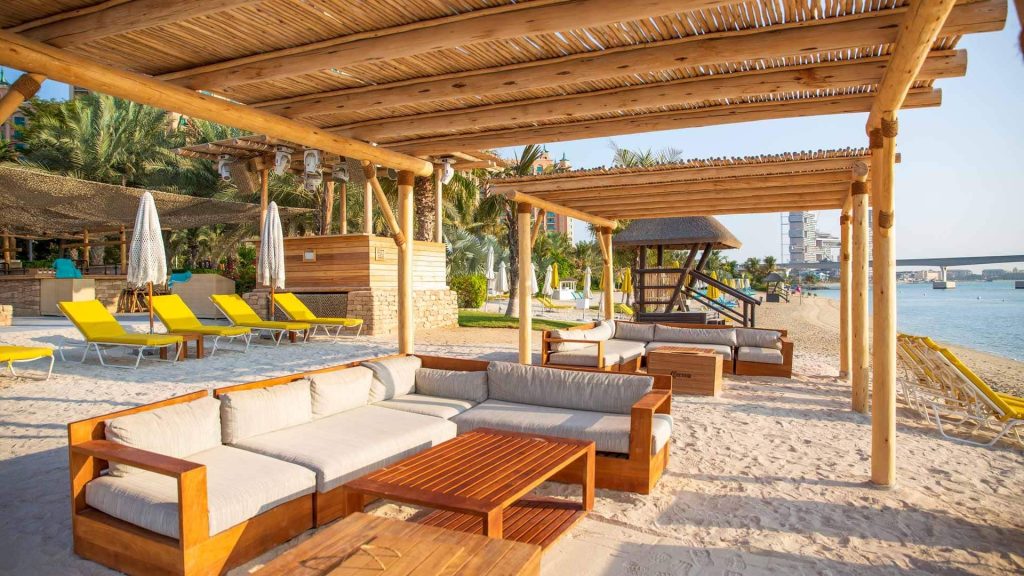
In fact, we would go so far as to say that Marbella and the surrounding beaches, have some of the best beach bars in the world and many have been given the ‘Cape Reed’ touch of magic to ensure that they also look the part. There is nothing that conveys international beachside chic as the laid-back quality of a tropical style wooden pergola with ‘Tiki Thatch’ real reed thatch roofing and balustrades.

Here are five of our favourite beach clubs on the Costa del Sol.

Nikki Beach (Europe and Dubai

In pole position we have the world-famous Nikki beach, arguably the original luxury beach club which has venues in the world’s most glamorous location, including the jewel in the Costa del Sol’s crown, Marbella.

Cape Reed has worked with Nikki Beach’s branches in Dubai and Europe, including Ibiza, Marbella and Mallorca. Cape Reed has been associated with this this prominent international brand from the construction stage, providing a range of different services.

glamorous location, including the jewel in the Costa del Sol’s crown, Marbella.

Cape Reed has worked with Nikki Beach’s branches in Dubai and Europe, including Ibiza, Marbella and Mallorca. Cape Reed has been associated with this this prominent international brand from the construction stage, providing a range of different services.

European branches bet on resilience synthetic reed roof for pool and beach bars, this element is one of our flagship products at Cape Reed. At the Marbella location, an impressive hexagonal wooden pavilion was created as a beach bar. This pavilion is covered with a golden synthetic reed roof, supported by white wooden slats and pillars. Seeing these materials integrated into the wonderful outdoor landscape bathed by the sea and the tropical palm trees, we can see that they are the perfect combination for this type of architecture. Not forgetting that Cape Reed also created changing rooms and slatted fences in this venue. Meanwhile, the Dubai venue also required high quality wooden sun loungers and beach beds to enjoy the sun.

Cape Reed synthetic thatch Nikki Beach Marbella pool bar

Boho Club (Marbella, Spain)

The Boho Club is a relatively new wellness resort on Marbella’s illustrious Golden Mile. As its name suggests, the style is boho chic; a carefree, cosy and colourful ambiance. The club is set within mature lush tropical gardens.

For Boho Club Cape Reed’s created elegant and sustainable wooden pergolas designed to shade the restaurant’s terrace and enhance the relaxed tropical ambience of the venue. The pergola The wooden structure was created using whitewashed wooden poles and wooden slats, this construction creates a beautiful diffused light, which creates the perfect environment for both indoors and outdoors.

For Boho Club Cape Reed’s created elegant and sustainable wooden pergolas designed to shade the restaurant’s terrace and enhance the relaxed tropical ambience of the venue. The pergola The wooden structure was created using whitewashed wooden poles and wooden slats, this construction creates a beautiful diffused light, which creates the perfect environment for both indoors and outdoors.

Cape Reed created a number of wooden pergolas following this tried and tested formula, of using sustainable whitewashed wood to blend in with the surroundings and to echo the ambiance of the club.

Cape Reed commercial project the Boho Club with a semi-shaded timber pergola over the terrace

Casa del Mar (Marbella, Spain)

Casa del Mar, is a cosy restaurant in the heart of Marbella, which aims to envelop every diner with a big hug with its authentic Andalusian hospitality, inviting atmosphere and relaxed boho vibe. It is also known for producing high quality dishes using locally sourced meat and fish and all vegetables are from their garden!

Cape Reed’s task was to help the owners to return the original charm whilst creating an elevated wood terrace edged with attractive natural wood railings made from saligna laths. A large wooden pergola was designed and installed over the patio to create a rustic shaded area. This was achieved using whitewashed sustainable pine columns. Then when the sun goes down, the structure and clever lighting create a beautiful grotto effect bursting with ambiance.
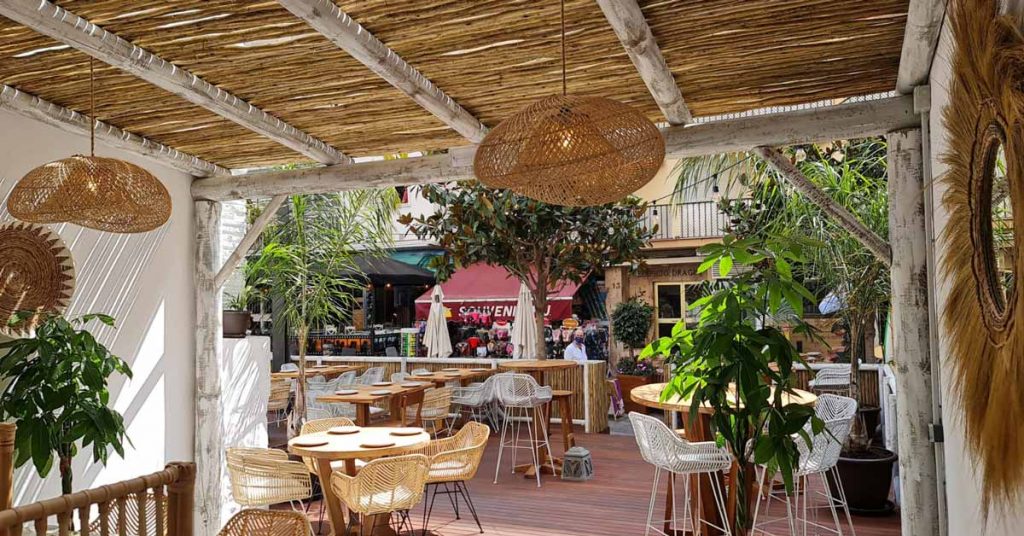
Casa Del Mar Restaurante

Puente Romano (Golden Mile, Marbella)

Located on the Golden Mile, Puente Romano is one of the most emblematic hotels in Marbella, just a stone’s throw away from the other world famous venue, the Marbella Club Hotel. Within the hotel grounds is the restaurant “The Sea Grill”, which was in need of a refurbishment to give it an external appearance that would fit in with its surroundings.

Cape Reed was proud to be involved in this project which involved a large team of contractors to rebuild and transform the venue, including high quality thatch roofing. You can read more about it here in our blog.

Sea Grill restaurant thatched roof at Puente Romano

Aüa Playa (Marbella, España)

Also located on the Golden Mile, Aua Playa (now rebranded as Casasolei at Aua), is a contemporary minimalist style beach bar that is considered one of trendiest on the Coast. The structure was designed by Joaquin Torres of A-Cero architectural practice in Madrid, using natural materials for the interior and exterior architecture that would resonate with the clientele.

Cape Reed created 16 unique umbrellas shades with thatch for the beach and installed sustainable eucalyptus wooden railings and hardwood decking for the interior dining area. The simplicity of the natural wood and reed thatch roofing perfectly fits within beachside environment.

Aüa Playa sombrilla

Conclusion

The Costa del Sol offers some of the most luxurious and unique beach clubs, each providing a distinct atmosphere and experience. From the world-renowned Nikki Beach to the chic Boho Club, the cozy Casa del Mar, the elegant Puente Romano, and the trendy Aüa Playa, each venue boasts exceptional design and ambiance enhanced by Cape Reed’s sustainable and stylish structures. These beach clubs not only provide a perfect escape but also showcase the beauty and innovation of Cape Reed’s craftsmanship.

If you would like advice about the benefits of custom-made pergola, gazebos and other outdoor structures for your business, get in touch with our team of designers and craftsmen at europe@capereed.com.

FAQs

What makes Nikki Beach Marbella unique?
Nikki Beach Marbella is known for its luxurious ambiance, featuring a hexagonal wooden pavilion with a golden synthetic reed roof and high-quality wooden sun loungers, creating an iconic beachside chic vibe.

What design elements did Cape Reed use at Boho Club?
Cape Reed created elegant wooden pergolas using whitewashed wooden poles and slats, which provide a shaded, cozy, and tropical ambiance to the Boho Club’s restaurant terrace.

How does Casa del Mar stand out among beach clubs?
Casa del Mar offers an authentic Andalusian atmosphere with a large wooden pergola and elevated terrace, providing a rustic and relaxed dining experience with locally sourced ingredients.

What was Cape Reed’s contribution to Puente Romano?
Cape Reed refurbished The Sea Grill at Puente Romano with high-quality thatch roofing, ensuring the restaurant blends seamlessly with its luxurious surroundings on Marbella’s Golden Mile.

What are the standout features of Aüa Playa?
Aüa Playa, designed by Joaquin Torres, features minimalist architecture with 16 unique thatch umbrellas, sustainable eucalyptus wooden railings, and hardwood decking, offering a trendy and natural beachside environment.

Why businesses on the Costa del Sol should protect their business with Cape Reed’s Fireshield

There is nothing quite as dramatic as a natural disaster and we’ve had our fair share of them throughout Europe over the last few years. In particular, wild fires, which have the potential to destroy everything in their path, displacing people and taking lives, including the brave firefighters who battle against the flames and suffocating heat.
According to the media Euronews.com more than 700,000 hectares of land have been affected by forest fires across Europe this year. This is the largest area affected by fires since records have been kept. Spain, in particular, has been badly affected with 283,000 hectares burned in fires. Not all fires are confined to inland areas, the slightest spark from a barbecue or a carelessly discarded cigarette can start a fire and burn anywhere.
Whether the initial spark is accidental or provoked, the results are catastrophic for many families and businesses. The fires are attributed to the extreme temperatures of the July heat wave across Europe. In the UK, even the central London region suffered several fires. Statistics provided by Planet Labs show that between January and 23 July, a whopping 515,475 hectares were destroyed.

Can beachside businesses protect against fire?

This is when we need to ask the question, “Is there anything that businesses on the Costa del Sol can do to prevent or at least slow the progress and limit the damage caused by fires?”. The answer is yes, it is possible to protect structures with professional fire-retardant treatments, such as Cape Reed’s Fireshield de Cape Reed.

Along the Costa del Sol the beaches are dotted with chiringuitos and beach clubs,from small rustic shacks to celebrity hangouts such as the Nikki Beach in Marbella. Apart from the superb beachside locations and fresh seafood dishes (one such chiringuito staple is sardines prepared on an open fire!), they all have one thing in common… the buildings are constructed using natural materials such as a wood, reeds and ‘brezo’. In the case of Nikki Beach, the venue has lots of wooden sunbeds, daybeds, thatch shades, pool bars constructed of wooden gazebos with thatch roofing.

All it takes is for one spark from the sardines and BBQ to be carried on a gust of wind for a fire to take hold. Obviously, no sane chiringuito owner is going to forego the BBQ to avert a fire risk, when they have queues of hungry customers who have been tempted in by the delicious aromas.

Laguna Village, Estepona

Of course, it isn’t only the rustic chiringuitos which are at risk of catching fire from a spark or nearby forest fire. An example of one of the most high-profile fires in Malaga province over the last few years is the Laguna Village shopping centre was razed to the ground by fire in 2020. All of the buildings including the iconic Polynesian style Tiki thatch roofs that characterised the complex were completely destroyed.  

In retrospect, a tried and tested flame-retardant treatment such as Cape Reed’s Fireshield could have provided a modicum of protection, by making it much more difficult for a spark to take hold. The right protection may not have prevented the fire but it could have slowed its progress.

How Does Cape Reed’s Fireshield Work?

Cape Reed Fireshield is a unique fire-retardant coating which has been formulated to comply with all relevant international standards for flame resistance and prevention when constructing with natural sustainable materials. The treatment is verified every quarter to ensure that it reaches the correct fire-resistant standards.

Sustainable and Non-Toxic

What’s more, Fireshield is a water based intumescent coating that does not contain any toxic elements, making it kind for the user and also environmentally friendly.

In fact, the use of fire-retardant’s such as Fireshield are often required by insurance companies before full insurance cover is approved. This is because, although nothing is 100 per cent fireproof, it is possible to take steps to minimise the risk.

Accidents can happen, and most of the time all you need to do is grab a fire extinguisher, but Fireshield adds an extra level of protection.

We all would sleep more peacefully knowing that our investment property or holiday home is protected to the best of our ability and the insurance policy is in place!

Conclusion

Protecting your business on the Costa del Sol is crucial, and Cape Reed’s Fireshield offers an advanced and effective solution. Fire protection not only safeguards your property and assets but also ensures the safety of your employees and customers. With Cape Reed’s FireShield, businesses can benefit from a highly efficient, eco-friendly fire retardant that is specifically designed for thatched structures. Investing in this protection means peace of mind and a significant reduction in fire-related risks. Ensure your business remains safe and secure with Cape Reed’s Fireshield, and focus on what truly matters: growing your business.

FAQs

What is Cape Reed’s Fireshield, and how does it work?
Cape Reed’s Fireshield is an eco-friendly fire retardant specifically designed for thatched structures. It works by creating a protective barrier that reduces the spread of fire and minimizes damage in case of an incident.

Why is fire protection important for businesses on the Costa del Sol?
Fire protection is vital for businesses on the Costa del Sol due to the region’s hot and dry climate, which increases the risk of fires. Protecting your business helps safeguard your property, assets, employees, and customers from potential fire hazards.

How does Fireshield compare to other fire retardant solutions?
Fireshield is designed specifically for thatched structures and is eco-friendly, providing effective protection without harmful chemicals. It offers superior performance by reducing the spread of fire and minimizing damage, making it an excellent choice for businesses with thatched roofs.

Can Fireshield be applied to existing thatched structures, or is it only for new installations?
Fireshield can be applied to both existing thatched structures and new installations, providing versatile fire protection for any stage of your thatched roof’s lifecycle.

What are the environmental benefits of using Cape Reed’s Fireshield?
Cape Reed’s Fireshield is eco-friendly and free of harmful chemicals, making it safe for the environment. It ensures that your business’s fire protection measures do not negatively impact the surrounding ecosystem.

Boho Chic Trends

As we approach the end of 2022, all eyes in the interior and exterior design industries turn to the trends for next year, 2023. One such trend is 2023 as predicted by eDecorTrends.com, is the ever-popular Boho Chic aesthetic. What do we mean by Boho Chic? First and foremost, Boho is an abbreviation of Bohemian, which is associated with creative people, intellectuals who are not constrained by structure or convention. Although originating in 19th century France and being mainly associated with the 1960s and 70s, this highly individual style appeals across to an extremely wide and diverse audience.

The style is synonymous with being outside the constraints of the normal design rules and conventions. Forget tasteful, subdued and restrained, think layers of patterned vintage style fabrics providing clashing pops of colour, all mixed together to create a unique laid back and relaxed atmosphere.

However, not everything needs to clash or be splashed with bold colours, Boho Chic also creatives excitement through texture. Relaxed neutral colour palettes are enhanced with rustic elements like warm natural wood, like Cape Reed’s Eucalyptus timber pergolas, authentic thatch roofing, wicker pendant lamps and contrasting natural fabrics. Since Cape Reed started to incorporate Eucalyptus into wooden exterior structure designs, it has progressively become one of the most popular options amongst clients throughout Europe and the Middle East.

Boho Style Furniture

When we imagine Boho furniture it is easy to conjure up an image of rattan and wicker butterfly chairs, hammocks from the swinging 60s and 70s, and of course daybeds. All of which are still very much in evidence today, particularly the daybed, which can be found in all types of places including luxury beach clubs around the world.

Flexible Organic Elements

Casa Del Mar is the perfect example of boho chic interior design. A carefully considered neutral palette featuring many layers of natural textures and shares are combined to deliver an artfully relaxed, cosy dining space. The natural wooden pergola provides a beautiful rustic feature which shades the patio. In contrast white washed pine columns complement the original stone walls, encouraging diners to linger over a long relaxing lunch.

Cape Reed’s Boho Chic Architectural Elements

However, you don’t need a business, beach club to experience the relaxed boho chic vibe. It’s possible to achieve the look in your own garden. Boho is such a personalised style that you can literally do what you want. There are so many different interpretations of this style that can be applied to any space. Whether it is a wooden pergola with seating area, tiki thatch hut, gazebo with fitted state of the art kitchen or pizza oven, these rustic style structures are the finishing touch when creating an original exterior design scheme. In addition, Cape Reed produces beautiful handcrafted eco-friendly timber lath furniture which is perfect for creating a rustic setting and adding a touch of boho-chic style to your space.


There are so many different interpretations of this style that can be applied to any space. Whether it is a wooden pergola with seating area, tiki thatch hut, gazebo with fitted state of the art kitchen or pizza oven, these rustic style structures are the finishing touch when creating an original exterior design scheme. In addition, Cape Reed produces beautiful handcrafted eco-friendly timber lath furniture which is perfect for creating a rustic setting and adding a touch of boho-chic style to your space.

How to achieve a boho chic space on a budget

Maybe you have decided to install a wooden pergola but you don’t want to create a formal seating or dining area. If you prefer something a bit more low-key and intimate, you could create a lovely cosy spot with hammocks, hanging chairs, vintage printed poufs for colour and texture. They make a great coffee table or extra stool. Scatter some colourful cushions and rugs and include some evergreen plants, lanterns and fairy lights.

There are no hard and fast rules when it comes to Boho Chic style, release your inner bohemian tendencies. You’ll love it!

Conclusion

Boho chic continues to be a popular trend, offering a perfect blend of eclectic, relaxed, and stylish elements for both interior and exterior spaces. By incorporating natural materials, vibrant colors, and unique decor pieces, you can create a space that reflects your personality and fosters a sense of freedom and creativity. Embrace the boho chic aesthetic to transform your home into a cozy, inviting haven that celebrates individuality and artistic expression.

FAQs

What are the key features of the boho chic trend?
The boho chic trend focuses on natural materials, vibrant colors, eclectic decor, handmade items, and a mix of vintage and modern elements to create a relaxed, personalized space.

How can I incorporate boho chic elements into my outdoor space?
To incorporate boho chic elements into your outdoor space, use natural materials like wood and rattan, add colorful textiles and cushions, include plants and greenery, and choose unique, handcrafted decor pieces.

What colors are popular in boho chic design?
Popular colors in boho chic design include earthy tones like terracotta, olive green, mustard yellow, and rich jewel tones like deep purple and teal, often combined with neutral backgrounds.

How to get the most out of your gazebo all year round

Most of us have appreciated the tropical coolness, both temperature and style-wise, of a thatch roof with a cooling ceiling fan to provide the perfect protection on a sizzling hot Spanish summer day. Ideal for al-fresco dining, cooking or simply relaxing with friends protected from the hot summer rays. Yet, you may not have considered that these beautiful handmade wooden structures are also ideal for keeping dry and warm during the winter time.

All Year-Round Decoration

Where to start… there are so many uses for a gazebo, from lounge, bar, kitchen, BBQ and dining room to poolside chill out area, that the choice of decoration is almost infinite.

As a free-standing wooden structure with a thatch roof, a gazebo offers the perfect setting for a winter wonderland retreat. It provides the feeling of privacy and comfort whilst still experiencing the outdoors.

Wood Christmas Wonderland

The beauty of this type of permanent structure is that you can either add permanent features, such as plumbed in appliances or go down the more seasonal route with different elements according to the season. Once the heat of mid-summer has passed, many of the features such as lighting, candles and plants can be carried through into winter. Fairy lights are equally effective whilst dining al-fresco on a hot summer night as they are at Christmas time. Similarly, candles are a must, just swap the citronella for a more festive wintery fragrance. Imagine snuggled under a cosy throw around an open fire with a glass of mulled wine – heaven!

Fire Proofing Your Gazebo

There is one way to protect our bespoke wooden gazebos and reed roofs, and that is to treat the structure with Cape’s Reed’s unique fire retardant coating, Fireshield. The formula has been developed to delay the spread of a possible fire as much as possible, and has been created under the relevant international standards of safety, resistance and fire prevention. If you want to know more about this topic you can read our blog here.

Warming Winter Water

Some people swear by the health benefits of a cold-water bathing, whether they are swimming in arctic waters or taking a mid-winter dip on Brighton beach. Your gazebo could be the perfect place to install a cold-water bath tank. No ready to go that far yet? In that case you could opt for a relaxing Spa or hot tub. If you are going down this route it is advisable to design the gazebo for this purpose.

Add Value With Extra Space

Add value to your home, enjoy your outdoor space and save money! There is no denying that creating an addition outdoor room in your garden will add value to your home, and this is exactly what you are doing when you install a permanent wood gazebo in your garden. There is nothing quite as liberating as adding an extra space, be it for entertaining, enjoying some alone time or communing with nature.

Cape Reed turnkey project private villa with thatched outdoor living area with timber cladding

High Quality Eco-Friendly Wooden Structure

When you buy a gazebo Cape Reed timber, a pergola or any other timber structure, you will be assured that the design, supply and construction will be made from sustainable natural materials.

Conclusion

Maximizing the use of your gazebo all year round can greatly enhance your outdoor living experience. By incorporating weather-appropriate features such as heating elements, proper lighting, and durable furnishings, you can create a versatile space that is comfortable and functional in any season. Adding personal touches like cozy textiles and seasonal decorations can further enhance the ambiance, making your gazebo a cherished spot for relaxation and entertainment throughout the year. Embrace these tips to transform your gazebo into an all-season haven.

If you would like to find out more about Cape Reed’s gazebos, handcrafted furniture and other outdoor structures, get in touch at europe@capereed.com.

FAQs

How can I make my gazebo usable during the winter months?
To make your gazebo usable during winter, consider adding heating elements like outdoor heaters or a fire pit, using weatherproof furniture, and incorporating cozy textiles such as blankets and cushions.

What are some tips for decorating my gazebo for different seasons?
For different seasons, update your gazebo with seasonal decorations such as string lights, lanterns, and seasonal plants. Use appropriate colors and materials, like light, airy fabrics in summer and warm, plush fabrics in winter.

How can I protect my gazebo from harsh weather conditions?
Protect your gazebo by using weather-resistant materials, applying sealants to wooden structures, installing durable roofing, and using protective covers for furniture when not in use.

Can I install a gazebo on any type of surface?
Gazebos can be installed on various surfaces such as concrete, wood decks, and well-prepared ground. Ensure the surface is level and stable to provide a secure foundation for your gazebo.

How often does thatch roofing need re-thatching?

Who can resist the laid-back ambiance of a tropical paradise? This is exactly the feel that tiki thatch huts, pergola bars and gazebos provide. So, it will not surprise you to learn that natural thatch roofing is becoming the most popular choice of roofing for new pergolas and gazebos along the coastline of Southern Spain.

Sustainable and long-lasting

Cape Reed’s thatch roofing is made from cape reed (Thamnochortus Insignis), a sustainable carbon negative natural material that can help you or your business reduce your overall carbon footprint. However, like all natural substances it will need to be well maintained and at some stage repaired. In the case of natural thatch roofing, this means re-thatching.

High density stable and strong reeds

First, let’s go back to what we mean by thatch roofing. Cape Reed uses a type of reed that grows specifically in the Southern Cape of South Africa. We only harvest and use reeds that are at least 6 years old to ensure maximum strength, stability and density, which makes it much more resistant to rot and decay. This is why we guarantee our thatch roofs for 15 years, when regularly maintained.

Regular inspections and maintenance

As with any roof, you want to make sure that it is fit for purpose and hasn’t succumbed to the elements. How the structure performs is different depending on heat and humidity. Even though we guarantee our cape reed thatch roofing for up to 15 years, we recommend that you should get your thatch roofing inspected by a professional regularly, at least every 5 years.

A site inspection is crucial in order to ascertain the condition of any thatch roof, Cape Reed’s team is always happy to arrange a visit to assess whether any remedial work is required.

When to re-thatch your gazebo

If thatch is not maintained correctly, be it your thatched gazebo, pergola or pool entertaining area, this will reduce the longevity and appearance of the structure. Regular inspections can identify any weak or damaged areas, allowing the experts to make the necessary repairs.

All thatch repairs are different, quite often it is simply the top coat that will need to be replaced. When an area of weak or rotten thatch is identified during an inspection, Cape Reed’s thatchers can carefully remove, replace and compact the damaged section. In some cases, it could be that the entire structure, including the supporting wooden beams, needs replacing. However, it is important to remember, like any material and structure, performing regular maintenance enables you to identify potential issues before they become big problems, restoring the structure so that it can last for many years to come.

The cost of rethatching roofs will depend on a number of factors, such as size, materials, location and the amount of work required. Therefore, it is necessary to request a professional inspection and a personalized quote.

Fireshield Fire Retardant Treatment

All of Cape Reed’s thatch roofing is constructed with the addition of ‘firebloc’, a fire-resistent cloth which is interwoven into the thatch during the construction and repair processes. This unique fire-resistant material can withstand and resist temperatures of up to 500 degrees centigrade.

To further enhance the flame-resistance qualities after all maintenance work has been completed, Cape Reed’s Fireshield, a non-toxic fire-retardant coating is also sprayed at high pressure to coat both the internal and external surfaces of the thatch.

If you would like to arrange an inspection of your thatch roofing or to receive a personalized quote for repairs or information about Cape Reed’s Fireshield treatments, get in touch at europe@capereed.com.

Conclusion

Maintaining the beauty and integrity of thatch roofing requires regular care and attention. Re-thatching is a crucial part of this maintenance, ensuring that your roof remains durable, weather-resistant, and aesthetically pleasing. By understanding the factors that influence the lifespan of thatch and scheduling re-thatching accordingly, property owners can enjoy the timeless charm and functionality of thatched roofs for many years. Investing in professional re-thatching services not only preserves the unique appeal of your property but also enhances its value and longevity.

FAQs

How often does a thatch roof need re-thatching?
The frequency of re-thatching depends on various factors such as the type of thatch, climate conditions, and the quality of the initial installation. Generally, a well-maintained thatch roof can last between 20 to 30 years before requiring re-thatching.

What signs indicate that a thatch roof needs re-thatching?
Signs that a thatch roof needs re-thatching include visible thinning of the thatch layer, increased water penetration, and the presence of moss or fungi. Additionally, if the ridge appears worn out or damaged, it may be time for re-thatching.

Can I re-thatch just a portion of my roof, or does the entire roof need to be done?
Partial re-thatching is possible and often practical, especially if only certain areas are showing signs of wear. However, the ridge typically requires more frequent attention and may need to be replaced more often than the main roof.

How long does the re-thatching process take?
The duration of the re-thatching process varies based on the size of the roof and the extent of the work needed. On average, re-thatching a standard-sized roof can take several weeks to complete.

How much does re-thatching a roof cost?
The cost of re-thatching varies based on factors such as roof size, material choice, and labor rates. It’s recommended to obtain quotes from professional thatchers to get an accurate estimate for your specific project.

Cape Reed’s Fireshield could play crucial role in fire prevention for businesses on the Costa del Sol

Marbella, February 2023. International thatch and carpentry expert, Cape Reed, has launched a unique fire-retardant coating which is specifically formulated to help prevent fires from catching on structures built with natural sustainable materials. Approved by insurers and industry standards alike, the treatment provides an additional layer of protection against the possibility of wild fires for the many businesses on the Costa del Sol that have thatch roofing, reeds and natural wood structures.

Laguna Village fire… could it have been prevented?

In 2020, Laguna Village, famed for its Polynesian style Tiki thatched roof buildings, was razed to the ground. If Cape Reed Fireshield’s flame retardant coating had been applied to the structures, it could have prevented the spark from turning into a devastating fire, slowing the progress, thereby making it more manageable.

An extra layer of fire protection

Andre van Heerden, Managing Director of Cape Reed explained, “In Spain alone, in 2021 more than 283,000 hectares were badly damaged by wild fires. This poses a very real threat to business owners on the Costa del Sol who would face financial ruin if the chiringuitos, beach clubs and many other natural structures dotted along the coastline were to catch fire.

“Cape Reed has created many beautiful highly durable structures that need to be protected against the possibility of fire, that could be caused by extreme temperatures, by accident or even intentionally. This is why we launched Cape Reed ‘Fireshield’. Now we can offer all business owners access to our unique patented flame-retardant coating which is suitable for all types of structures, including pergolas, gazebos and of course thatched roofs”.

International flame resistance standards

Cape Reed Fireshield fire-retardant treatment is a specially formulated chemical that can be applied to thatch, timber and various other natural materials to significantly increase resistance to fire. The fire-retardant water based tumescent coating doesn’t contain any toxic elements, making it both environmentally and user friendly. The treatment conforms to all relevant international standards, including the EU, Dubai and UK standards, and offers an overall B-Roof (t1) fire rating.

Approved by Insurers

Most insurance companies require professionally administered fire-retardant treatments on any natural structures within the terms and conditions prior to providing full insurance cover. Cape Reed’s Fireshield fulfils this requirement.

Conclusion

In the beautiful yet fire-prone region of the Costa del Sol, the need for effective fire prevention measures is paramount for businesses. Cape Reed’s Fireshield offers a critical solution, providing robust fire resistance to thatched structures. By integrating this innovative product into your business premises, you not only enhance safety but also protect your investment and ensure the continuity of your operations. Don’t wait for a disaster to strike; take proactive steps with Cape Reed’s Fireshield and safeguard your business against the devastating effects of fire.

FAQs

What is Cape Reed’s Fireshield?
Cape Reed’s Fireshield is a fire-retardant treatment specifically designed for thatched structures. It enhances the fire resistance of these materials, making them safer and more resilient against fire hazards.

How does Fireshield work?
Fireshield works by chemically treating the thatch, reducing its flammability. This treatment significantly slows down the spread of fire, providing crucial extra time for evacuation and emergency response.

Is Fireshield suitable for all types of thatched roofs?
Yes, Fireshield is formulated to be effective on various types of thatched roofs, ensuring comprehensive protection across different materials and structures.

How often should Fireshield be applied?
The frequency of application depends on environmental conditions and specific usage. However, it is generally recommended to reapply the treatment every few years to maintain optimal fire resistance.

Is Fireshield environmentally friendly?
Yes, Cape Reed’s Fireshield is designed to be environmentally friendly. It is non-toxic and safe for use in various settings, ensuring that it does not harm the surrounding ecosystem.

History of the gazebo

When sitting under a gazebo, you may only see the intricate thatch roofing creating by artisans or the richness of the natural reed and sturdy wooden structure, without considering its history. You may not realize that gazebos have been around for literally centuries and have been favoured by diverse civilizations throughout history.

This train of thought was provoked by Cape Reed’s Managing Director, Andre van Heerden’s, trip to the Van Gogh Museum in Amsterdam. Whilst admiring the great painter’s work, in particular The Cottage, he was reminded that Vincent Van Gogh lived in a cottage with thatch roofing, which he called a ‘human nest’.

The painting evoked thoughts of simpler time, of safety, security and nature, and it became apparent that the desire to return to a more authentic way of life and to be at one with nature is something that inhabits the subconscious mind. The more successful we are, the more we crave nature and sustainable living. He was struck by the enduring desire to connect with nature and wondered in what ways it was satisfied throughout the ages. One visible way to achieve closeness to nature which dates back thousands of years is by creating decorative outdoor structures, like the humble (and often not so humble) gazebo.

The oldest know gazebos dates back to 1400 BC, when it was discovered in the plans for a garden of a high ranking official. Although, there is some debate amongst historians and archaeologists as to whether this type of structure could date back even further and were used as private temples.

Similarly, in ancient Greece and Rome, small gazebo type structures were built in marble to service as small temples. The structures were extremely popular and used as summerhouses and focal point in public spaces, which can be seen in ancient ruins in Rome and Pompeii.

In the Arabic world, these open sided structures were called ‘kiosks’, rather than gazebos. The Persian version dates back to the 10th Century and refers to a wide spectrum of designs ranging from fabric tents to marble structures.

Of course, we know that this type of structure is much-loved throughout Asia, one glance at an ornate garden pavilions and Japanese teahouses and it clear to see that many architects in the 18rth Century were heavily influenced by this Asian aesthetic, kick-starting the popularity of gazebos throughout Europe. Throughout the middle-ages, gazebos were popping up as decorative structures in France and Italy, and also in royal gardens in Elizabethan England.

By the 18th century the gazebo had also crossed the Atlantic to America, where they were adopted by the middle-classes. At one stage there was a preference for a wide front porch, which saw the decline in demand for gazebos stateside, but they soon became fashionable again as they could be positioned away from their homes, affording much-coveted privacy from their neighbours’ prying eyes.

Ok, so now we know the noble origins of this seemingly humble structure, but what is the definition and where did its name come from? Let’s start with the definition; a gazebo is a free-standing structure with a cupola roof and half height open walls.

The position and open walls are key parts of a gazebo’s character and also give the structure its name. The first mention (that we know of) in the English language of gazebo was in 1752, which is purported to be a combination of the English word ‘gaze’ and the Latin ‘ebo’, which together mean “I will see”, which refers to the views afforded from the structure. In today’s vernacular, we use many names to describe similar structures, ranging from pavilion to pergola, but essentially, they are all related to the original gazebo.

Fast forward to today and we are still enjoying our pergolas and the opportunities they provide for communing with nature whilst providing shelter, shade and decoration in any outdoor space. Cape Reed’s experienced team designs gazebos with thatch roofing for commercial and private residences and also creates other types of garden architecture according to clients’ particular specifications. They can be small, tall or large enough to host a party, covered in vines, climbing flowers, painted, whitewashed or simply showing the grain of the natural timber columns.

If you would like more information about Cape Reed’s gazebos with thatch roofing, summerhouses, wooden pavillions or any other types of wooden structure, contact Cape Reed SL on +34 951 77 54 95, email europe@capereed.com or visit the website https://www.backoffice.capereed.es.

5 Tips to Help You Choose The Perfect Pergola For Your Garden

As homeowners, we invest time, money, and love in creating the perfect interior design. Similarly, if your property has a private garden, there is no better feeling than being able to transform it into your own personal oasis.

One of the ways that we can define the use and create a space that can be used all year round is by adding a wooden pergola. This is a familiar idea, pergolas can be traced to the ancient Egyptians who built the structures to provide shade from the relentless heat, which is exactly what we still do today.

Below are some key takeaways from this article:

  • Increase your property value with the addition of a custom wooden pergola.
  • Tailor your pergola to suit your specific property, lifestyle, and budget.
  • Extend the life of your pergola with proper maintenance and fire retardant treatment.
  • Choose from various roofing options to create your desired style and provide shade.

There are no fixed rules about the design or size of a pergola. They come in all sizes, styles and shapes and can be fitted out and decorated for anything from a kitchen, outdoor dining or even a chill-out area. Also, as you are technically creating an extra room or space thanks to the structure of the pergola, this extra space can increase the value of your property.

If you have the space, there is nothing quite so inviting as the addition of a wooden pergola offering shade in the summer and providing a cozy shelter when the nights draw in. The type of wooden structure you choose is completely up to you, as it is possible to tailor-make a pergola to suit your specific property, lifestyle, and budget.

Here are some helpful hints on choosing the right pergola to suit your space.

Cape Reed white-wash semi-shaded pergola with timber laths

1. What is the purpose of your pergola?

Once you’ve made the decision to install a beautiful wooden pergola, the next step is to drill down exactly what you want to use it for. Maybe you want to create a dedicated outdoor kitchen and dining room, a relaxed lounge area with sofas, a bar and chill-out area, or a covered outdoor BBQ kitchen. This step is crucial. In addition to considering the size, style, and design, you must consider the position and possible access to utilities. If you are going to be cooking, you’ll want to be hooked up to water and electricity or possibly gas. If you plan to use the structure in the winter, you’ll probably want some heating, fire, lighting, and a ceiling fan when warm. All of these need to be considered.

2. Budget

The price of your pergola can vary widely depending upon the size, design, and materials used for pillars. There are many variables to consider, such as whether any work needs to be done before construction begins. Are you considering a stand-alone structure or a lean-to attached to your home? There is also the question of the type of wood and materials used for the roof. For example, will it have thatch roofing?

The purpose of the pergola will also have a large bearing on the cost, such as utility connections, appliances, and furnishings. As experienced craftspeople and installers, Cape Reed can help you with all of these questions and guide you on the budget for the type of structure you are considering.

Cape Reed construccion madera pergola acabado natural tarima

3. Space, size, and style

The design and shape of your wooden pergola will be informed by its purpose, it will also be integral in creating the character of the space. You may be drawn to the rustic-style wooden gazebo with thatch roofing, or a large contemporary-style pale wooden pergola would be more in keeping with your home.

The size and shape will be largely influenced by the space available, location, and purpose. If you want a large dining room that can accommodate a large table, then you’ll need to consider this when designing the pergola. You can also have fun choosing the flat, pitched, or curved roof style. Choose your desired style if the design is practical and appeals to your sensibilities.

4. Materials: wood and natural reed?

It is possible to buy flat aluminium pergolas or to build them out of bricks. However, most professionally designed and built pergolas are made of wood. This is because wood is one of nature’s most beautiful materials and is sustainable, versatile, strong and durable. If a pergola is properly maintained and treated with flame retardant products, it cannot last a lifetime.

All of Cape Reed’s pergolas are constructed using high-quality eco-friendly wood for the frames, and there are mGoany options for providing that all-important shade, from draped fabrics to natural reed thatch roofing. It is also possible to choose a synthetic thatch. You can read about the differences in our blog, “Thatch Roofing: Which is Better, natural or synthetic reed?”.

Building in wood also provides scope for putting your stamp on the look and feel of the pergola. You can discuss this with your designer whether you prefer a solid rustic dark stained wooden frame or a more contemporary whitewashed boho feel.

5. Furniture & decoration

Once the size, shape and style of the pergola have been established, you can start thinking creatively about the decoration and furnishings. This space will be your personal oasis, so at this stage you can let your creativity run wild. You can decorate the structure with fairy lights, commission bespoke Tuscan-style wooden furniture, create a relaxing boho haven, or preferring a pared-back minimalist space. The choice is yours. The ideal design is a space that can be dressed up or down according to mood or season, so you can enjoy your garden, entertain or unwind, rain or shine.

In a warmer climate like Spain, decorating the exterior with vines, colorful bougainvillea, or similar climbing plants creates color and a fragrant retreat.

As an established provider of exterior architecture and luxury outdoor entertainment areas, Cape Reed’s team of project managers, carpenters, and thatchers can advise you on every aspect of your pergola’s design, installation, and decoration.

If you would like more information about Cape Reed’s pergolas, gazebos, wooden pavilions, or any other types of wooden structure, contact Cape Reed SL at +34 951 77 54 95, email europe@capereed.com or visit the website https://www.backoffice.capereed.es.

FAQs

How do I choose the right size pergola?
As a rule of thumb, choosing your free-standing pergola size is recommended by first deciding how many people you want to sit under it comfortably. 

What can I place under a pergola?
To be straightforward, you can place everything you want under a pergola—rugs, seats, tables, toys, exercise equipment, and so on.

Where is the best place to put a pergola in the garden?
A pergola is best placed where there is a requirement for shade. A little shade is always helpful on those exceptionally hot and sunny days

Why You Should Consider a Wooden Pergola for Your Restaurant in Spain

To run a successful restaurant or bar, you need to do more than just offer great food and drinks. Your establishment needs to stand out for the right reasons. When you create an inviting and unique atmosphere, it tends to draw customers in and keeps them coming back. Furthermore, if it has an enticing original look and feel, you are more likely to tempt passers-by to come in and give you a go.

One effective way to achieve this is by installing a wooden pergola. In this article, we’ll explore why a wooden pergola could be the perfect addition to your restaurant in Spain.

Key takeaways from this article:

  • The use of a pergola can attract customers.
  • Apart from decoration, wooden pergolas provide protection and security.
  • A Cape Reed wooden pergola can contribute to customer satisfaction.

Here are five ways that a professionally designed and installed pergola can transform your business:

Enhancing Curb Appeal with Cape Reed Elegance

Imagine strolling down a charming street in Spain and coming across a restaurant with a captivating wooden pergola. The allure of Cape Reed thatch roofing combined with a solid wooden structure transports you to a luxurious tropical island. This unique and relaxed ambiance is exactly what a wooden pergola can bring to your restaurant. A bespoke pergola adds an air of grandeur while maintaining an inviting environment, enticing customers to linger and enjoy their time.

An excellent example of this transformation is The Sea Grill, at the Puente Romano Beach Resort. With the addition of a white wooden pergola featuring Cape Reed thatch roofing, the restaurant shed its tired appearance and embraced a modern Mediterranean aesthetic.

Sea Grill restaurant hotel Puente Romano techo junco africano pergola madera blanca

Expanding Capacity for Higher Profits

In regions like the Costa del Sol, the outdoor lifestyle is a major draw for locals and tourists alike. People want to savour their meals and drinks in the open air, taking in the beautiful surroundings. However, limited outdoor space can hinder your restaurant’s potential for growth. This is where a wooden pergola comes into play.

By incorporating a pergola, you can significantly expand your restaurant’s capacity. Pergolas can be designed as freestanding, arched, or attached structures, seamlessly blending with your establishment’s style. More seating translates to more customers, which ultimately leads to higher profits.

Protection from the Elements

While outdoor dining is a delight, it’s essential to address the unpredictable weather. Rain or excessive heat can deter customers and affect your revenue. Uncovered outdoor areas require frequent maintenance to stay presentable. A wooden pergola, however, provides a robust solution to these challenges.

Wooden pergolas offer reliable protection against rain and harsh sunlight, ensuring your customers can enjoy their meals comfortably. The design and craftsmanship of the pergola contribute to the al-fresco dining experience, enhancing it rather than diminishing it. Partnering with experts like Cape Reed can help you choose the right roofing system, whether it’s adjustable louvred wooden slats or natural Cape Reed thatch.

El Oceano beach restaurant pergola madera semisombra blanca

A striking example of weather protection and aesthetics is El Oceano Hotel and Restaurant in Mijas Costa. Their renovated restaurant terrace boasts a contemporary design with elements like glass, stone, and white-painted eucalyptus poles and slats, providing a dreamy outdoor dining space.

Catering to Diverse Customer Preferences

Every customer is unique, and their dining preferences vary. Some relish the comfort of air-conditioned interiors, while others cherish the opportunity to dine in the open air. By incorporating a wooden pergola, you strike the perfect balance, accommodating both indoor and outdoor seating.

This versatility creates a more inclusive dining experience, ensuring that all your customers can enjoy your offerings in their preferred setting. Whether it’s a cozy indoor corner or a breezy outdoor spot, your restaurant becomes a welcoming space for all tastes.

Elevating the Customer Experience

The ultimate goal of any restaurant is to create a memorable experience that keeps customers returning. A wooden pergola can play a pivotal role in achieving this goal. Beyond its visual appeal, a pergola can be customized to integrate various technologies, enhancing the overall experience.

Imagine strolling down a charming street in Spain and coming across a restaurant with a captivating wooden pergola. The allure of Cape Reed thatch roofing combined with a solid wooden structure transports you to a luxurious tropical island. This unique and relaxed ambiance is exactly what a wooden pergola can bring to your restaurant. A bespoke pergola adds an air of grandeur while maintaining an inviting environment, enticing customers to linger and enjoy their time.

Cape Reed commercial project the Boho Club with a semi-shaded timber pergola over the terrace

Conclusion

In the competitive world of restaurants and bars, standing out is crucial. A wooden pergola not only adds visual appeal but also enhances functionality, protection, and customization possibilities. From attracting customers with its unique charm to expanding capacity and providing weather protection, a wooden pergola can transform your restaurant in Spain into a thriving and unforgettable dining destination.

If you would like more information about Cape Reed’s pergolas, gazebos, wooden pavilions, or any other types of wooden structure, contact Cape Reed SL at +34 951 77 54 95, email europe@capereed.com or visit our website www.capereed.es.

FAQs

Are wooden pergolas durable in varying weather conditions?
Yes, wooden pergolas are designed to withstand different weather conditions. Properly treated and maintained wood can offer long-lasting performance, and options like Cape Reed thatch roofing provide additional protection.

Can I customize the design of my wooden pergola?
Absolutely! Wooden pergolas can be fully customized to align with your restaurant’s aesthetics and requirements. You can choose the type of wood, roofing material, and additional features to create a unique look.

How can a wooden pergola increase my restaurant’s profits?
By expanding your seating capacity, a wooden pergola allows you to accommodate more customers, leading to higher sales of food and drinks and ultimately boosting your profits.

Is it possible to incorporate technology into a wooden pergola?
Yes, modern wooden pergolas can be equipped with various technologies such as lighting, sound systems, power outlets, and even outdoor kitchen facilities, enhancing the overall customer experience.

What professional assistance is needed for installing a wooden pergola?
It’s advisable to work with experienced pergola design and installation companies, such as Cape Reed, to ensure proper design, construction, and integration of the pergola into your restaurant’s layout and theme.

Cape Reed’s thatch roofing transforms the La Zagaleta New Club House in Benahavís, Spain

Imagine a large private residential complex and country club in the south of Spain. You probably picture white buildings and terracotta tiles in Mediterranean style. So Cape Reed renovated the magnificent clubhouse at La Zagaleta in Benahavís, creating a stunning piece of exterior architecture with natural reed roofs of African Reed. The stunning result offers the wow factor of one of the most private and expensive postcodes in the world.

Four takeaways about the qualities of thatch roofing from this article:

  • Natural cape reed is adaptable to any environment, enhancing all types of architecture.
  • Experience artisan craftspeople create beautiful bespoke structures
  • Reeds harvested after six years for greater durability, longevity and resistance to rot.
  • 100% organic and sustainable materials
The New Course Clubhouse entrance at La Zagaleta

About La Zagaleta

La Zagaleta is the most exclusive development in Europe, if not the world. The resort, a former hunting estate owned by Adnan Khashoggi, spans 900 hectares. Purchased by a consortium for 36€ million (after the land was embargoed by the US Government), the land was developed into a limited number of private estates. Nestled amongst the forest, rare species of birds and wildlife thrive just a short drive from the beach clubs and marina of Marbella and Puerto Banús.

Luxury lifestyle at La Zagaleta

Protected by private security, privacy is guaranteed. Residents enjoy an extremely rarefied lifestyle of luxury, peace and quiet, plus an extensive range of exclusive amenities. Nothing is out of bounds, from helipads to a private equestrian centre and beautiful hiking trails and tennis courts. There are also two world-class 18-hole golf courses: the Old Course and New Course.

The New Club House Renovation

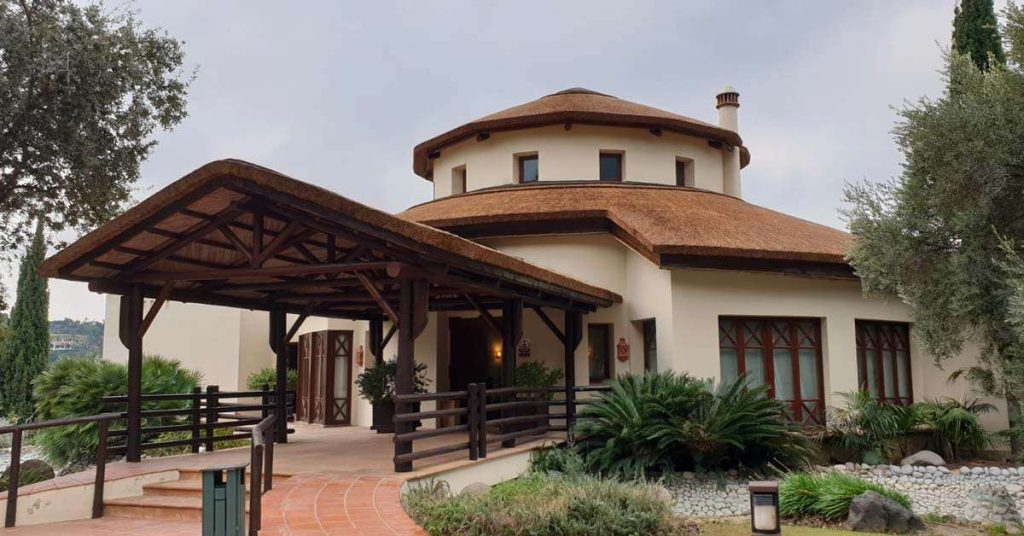
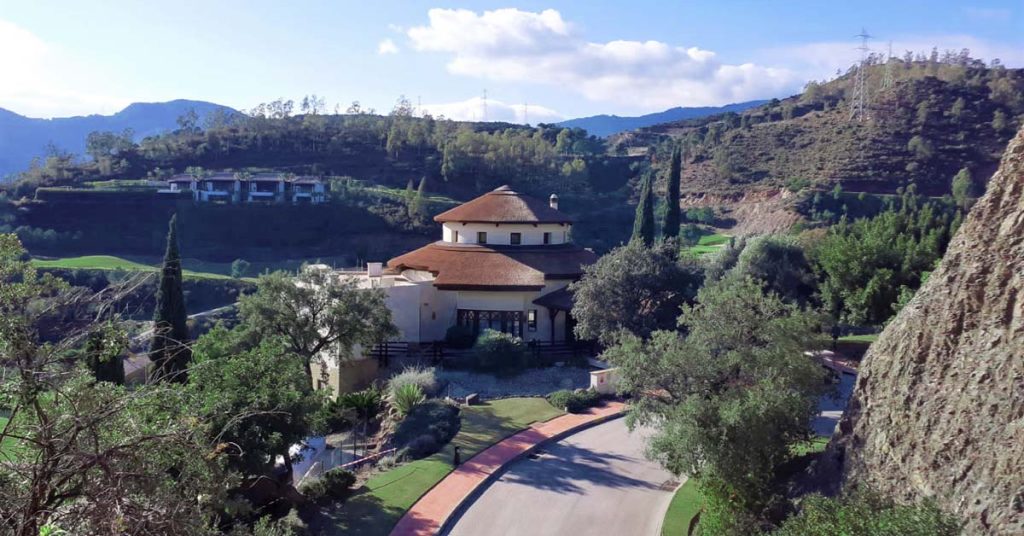
It is the New Course’s Club House which has undergone a complete renovation. Spanning 5,000m², the Club House is a popular venue comprising, several bars, lounges, events and hospitality rooms, a gourmet restaurant and terrace, enjoying stunning sea views, reaching as far as Gibraltar.

Cape Reed’s renovation brief

The brief was to ensure the building and facilities are in keeping with La Zagaleta’s very high standards. Cape Reed, a company with a reputation as the ‘masters of thatching’, replaced the original Brezo roof, providing a bespoke sustainable wooden roof structure featuring natural reed thatch roofing.

It was necessary to replace the covered entrance walkway with a completely new wooden structure. Cape Reed removed the original roof cover to thoroughly inspect the wood structure, which was found to be correctly maintained and up to the correct standard. The next step was to install almost 500m² of natural cape reed thatching.

What is Cape Reed thatch roofing?

Cape Reed is one of the best thatching materials in the world. The a African Reed is grown for at least six years prior to harvesting, compared to other commonly used reeds, which are cut after only six months. The longer growth period provides greater durability, with higher resistance to rot compared to other natural materials.

Frequently Asked Questions

How long does natural thatch roofing last?

The longer growth period before harvesting the African reed ensures its durability, stability and resistance to rot. When maintained correctly there is no reason why your Cape Reed thatch roofing should not last for at least 15 years.

Can artificial reed be used for roofing?

Traditional thatch roofing is made out of natural material like reed. However, synthetic thatch roofing can provide an attractive alternative in areas with heavy rainfall, high humidity and sunshine, as this combination can affect the lifespan of natural reed.

How to choose the right thatch roofing style?

Once you have decided to go for natural reed thatch roofing, the next step is to choose the style of thatching. There are a number of different options, including African thatch, Island thatch and European thatch, as seen on English country cottages. To ensure you make the right decision for your property, speak to one of Cape Reed’s experts who will help you understand the type of structures, materials and the maintenance involved.

Is Cape Reed’s thatch roofing fire retardant?

Yes, all of Cape Reed’s wooden structures, including pergola, gazebos and pavilions are all treated with Cape Reed Fireshield, a flame retardant coating. It complies with all relevant international standards for fire-retardant treatments used in the construction and maintenance of natural materials, such as cape reed thatching and wooden pergolas etc.