Thatch roofing: Which is better, natural or synthetic reed?
Thatch Roofing: Which Is Better, Natural or Synthetic Reed?
Natural thatch offers traditional beauty and sustainability, while synthetic thatch provides extended durability in extreme climates. Both have real advantages — the right choice depends on your property, your climate exposure, and what you want the space to do for you.
Natural Thatch: The Traditional Choice
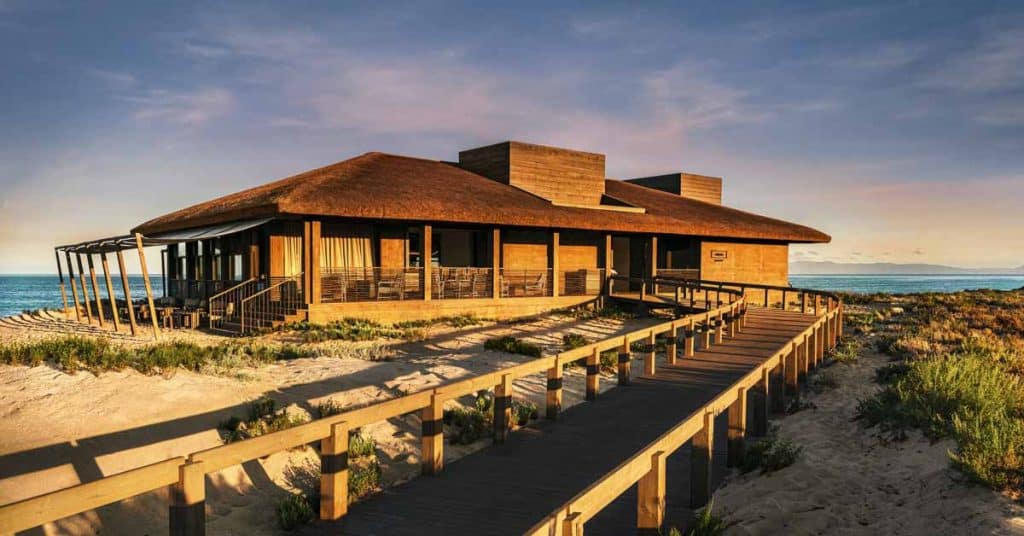
Natural Cape Reed thatch protects against both heat and cold, making it ideal for hot Spanish summers where UV protection and shade matter most. It’s also naturally waterproof, and adapts to almost any outdoor structure — pergolas, gazebos, summerhouses, pavilions. In areas with heavy rain, wind, and humidity, however, these same conditions can shorten the lifespan of natural reed compared to drier, more sheltered settings.
Synthetic Thatch: The Resilient Alternative
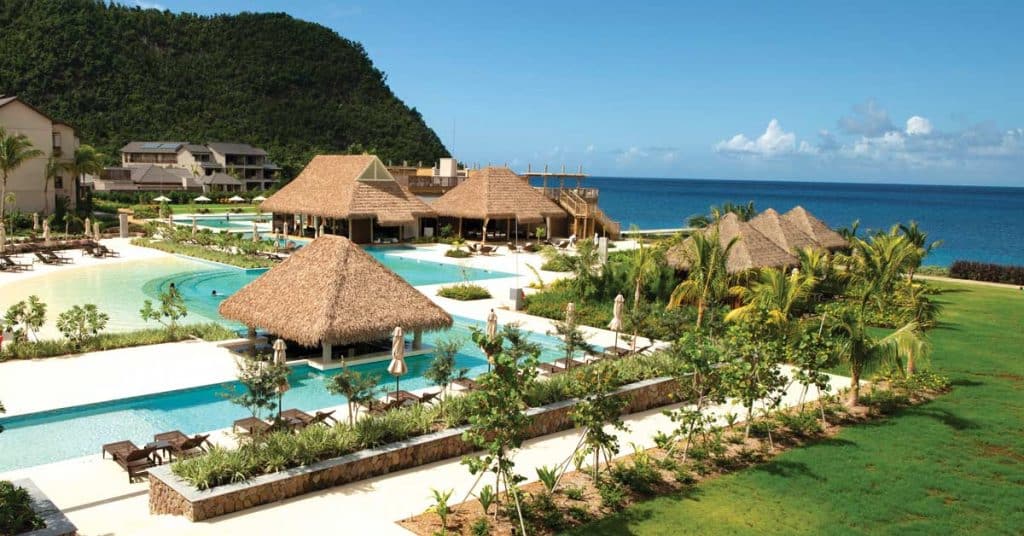
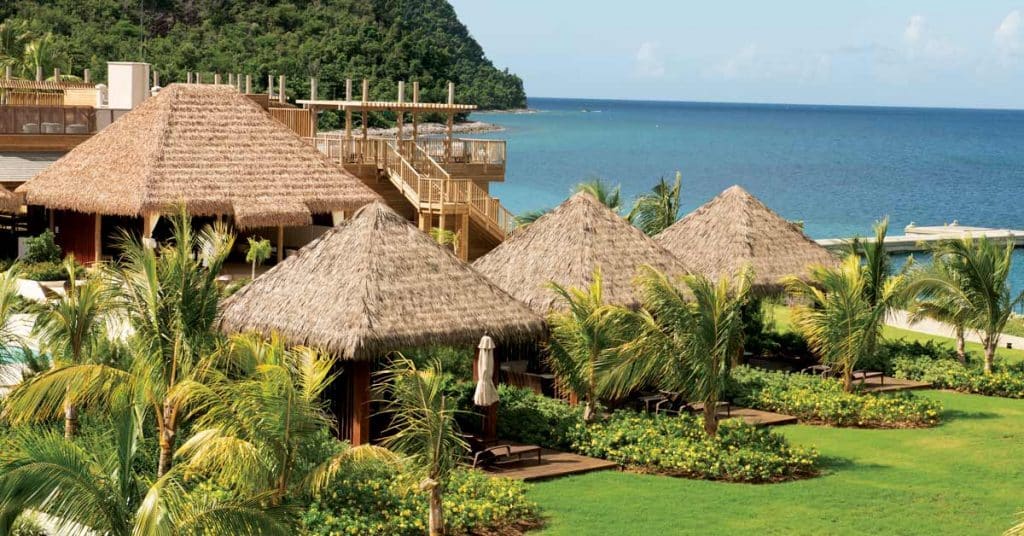
For high-class establishments in tropical or coastal environments — hotels, beach bars, exposed terraces — synthetic thatch offers a compelling alternative. Manufactured in leaf and tile form and securely fixed to a timber structure, it stays UV-protected, waterproof, and mould-free for significantly longer than natural material in the same conditions, with an expected lifespan in the region of 30 years.
Natural vs. Synthetic Thatch: At a Glance
| Natural Thatch | Synthetic Thatch | |
|---|---|---|
| Typical lifespan | 10–20 years | ~30 years |
| Best climate fit | Hot, dry conditions | Humid, coastal, high-UV exposure |
| Maintenance | Periodic upkeep and touch-ups | Minimal — designed to be low-maintenance |
| Aesthetic | Authentic, traditional texture | Consistent, uniform appearance year-round |
| Sustainability | Renewable, biodegradable | Durable, longer replacement cycle |
| Best suited for | Private homes, gardens, drier inland settings | Beach bars, hotels, high-exposure commercial venues |
Thatch Roofing: Natural or Synthetic?
The choice between natural and synthetic thatch roofing depends on the climate and intended use. Natural thatch offers an authentic look and is fully sustainable, while synthetic thatch roofing better resists coastal humidity and requires less long-term maintenance. Our team can advise you on which option best suits your project.
Making the Right Choice for Your Property
When choosing between natural and synthetic thatch roofing, consider the specific environmental conditions your structure will face and the aesthetic you want to achieve. Both options deliver a beautiful, long-lasting thatch roof — the decision comes down to matching the material to the setting.
For personalized advice on which option suits your project, contact Cape Reed’s team of designers and craftsmen — or browse synthetic thatch options in our shop if you already know which direction you’re leaning.

FAQs
What are the main differences between natural and synthetic thatch roofing?
Natural thatch is made from renewable materials like cape reed, offering a traditional aesthetic and eco-friendly benefits. Synthetic thatch, on the other hand, is durable, low-maintenance, and ideal for extreme climates.
How long does natural thatch roofing last?
Natural thatch roofing, specifically from cape reed, can last up to 50 years in many climates and typically comes with a 15-year guarantee.
What are the benefits of synthetic thatch roofing?
Synthetic thatch is highly durable, UV protected, waterproof, and mold-free, with a lifespan of around 30 years. It is ideal for regions with harsh weather conditions.
Is natural thatch roofing waterproof?
Yes, natural cape reed thatch is waterproof and provides excellent protection against heat and cold, making it suitable for various outdoor structures.
Which thatch roofing option is better for high humidity areas?
Synthetic thatch roofing is better suited for high humidity areas due to its resistance to rot and decay, ensuring longevity and minimal maintenance.